5 Tips: Roof Insulation After a Leak in the Middle of the Night
Hi, it’s Ivar. After a leak overnight, secure the room, have the roof covering inspected, then dry out and replace the insulation only if it is wet or damaged. Soaked roof insulation loses some of its effectiveness and can trap moisture in the attic. Safety comes first: don’t climb onto the roof, especially in the dark or in the rain.
Quick checklist:
- Move furniture and electrical appliances away; switch off the power to the area if water is approaching an outlet or light fixture.
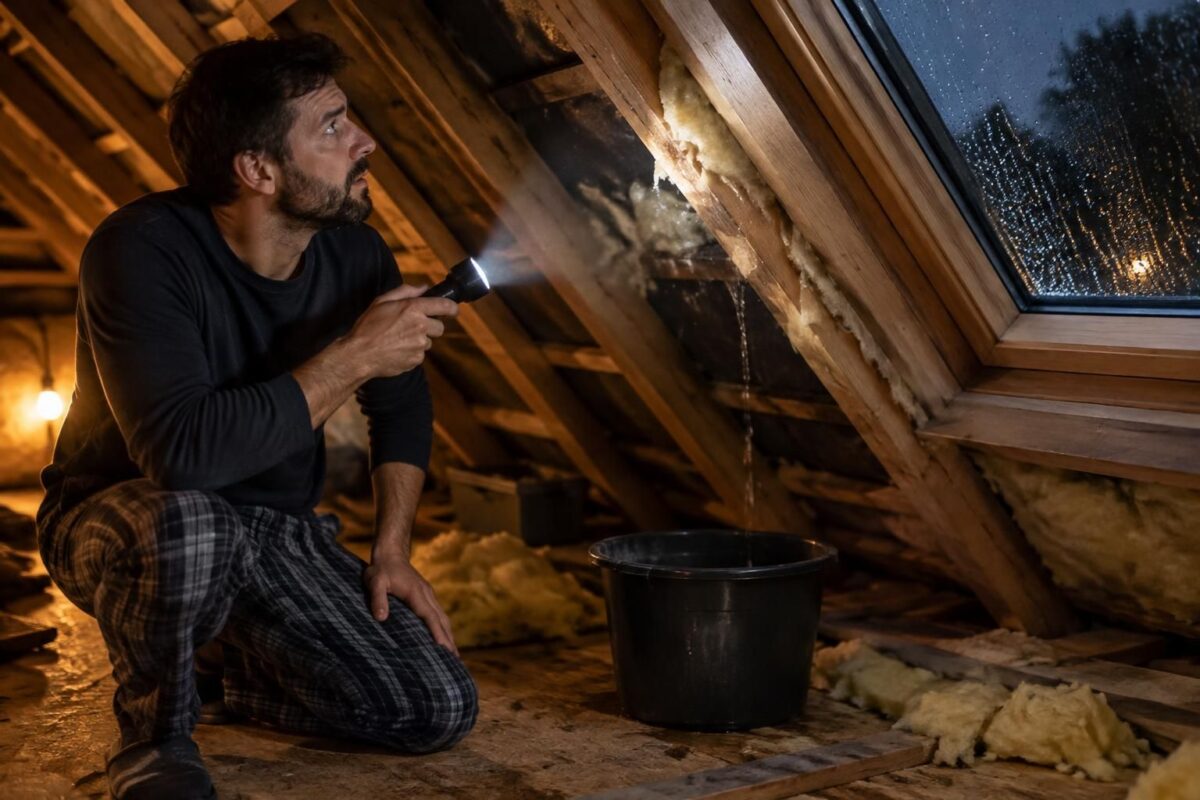
- Place a bucket under the leak and protect the floor with a tarp.
- Photograph the marks, affected items and, if it is safe to access, the attic.
- Call a roofer to diagnose the leak and arrange temporary roof tarping from the outside.
- Ventilate the room without exposing the attic to rain, then monitor moisture levels before carrying out any renovation.
Roof leak at night: protect your home before addressing the insulation
A stain on the ceiling does not always show where the water entered. Water can travel along a beam before reaching the insulation or plasterboard. To better understand these hidden traces, see this guide to water infiltration behind plasterboard.
If water is leaking near electrical equipment, switch off the relevant circuit breaker—or the main power if you are unsure—without touching any wet areas. If the leak has stopped and the stain is no longer spreading, still protect your belongings and arrange an inspection as soon as possible.
A simple rule: make the inside safe first, then repair the roof covering. A common mistake is climbing onto the roof to put down a tarp, even though wet tiles and darkness make it far too easy to fall.
Five tips to protect roof insulation
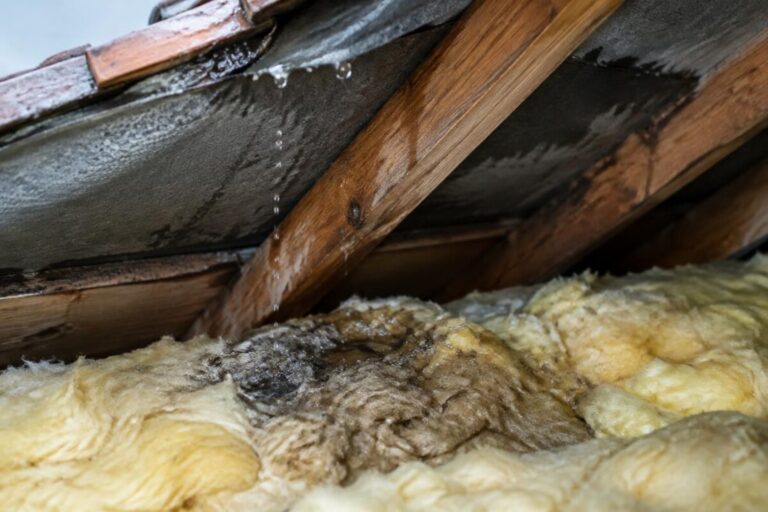
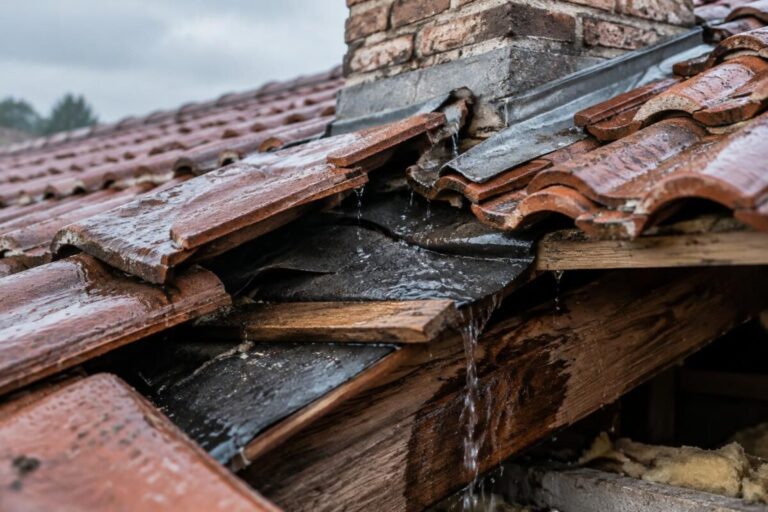
1. Assess the extent of the damage without dismantling anything blindly. If the attic is safely accessible, inspect the insulation and roof framing with a flashlight from a stable area. A leak may come from a displaced tile, a worn joint or a blocked gutter; this guide to locating a hidden leak explains why the indoor stain does not always indicate the source.
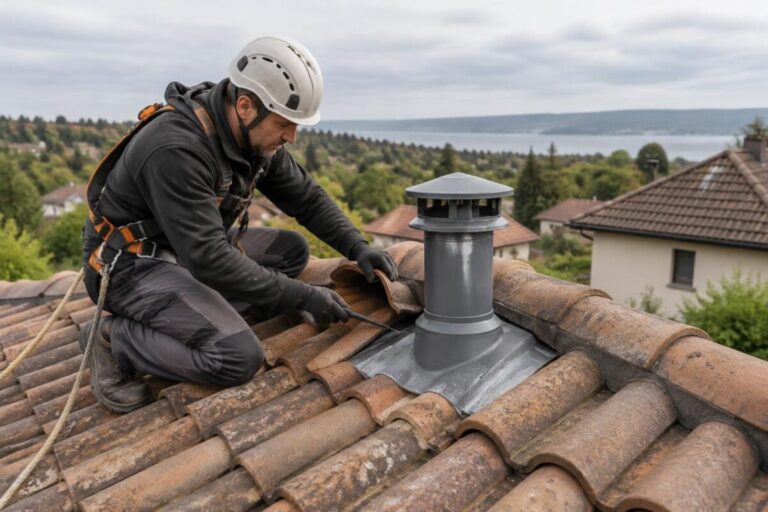
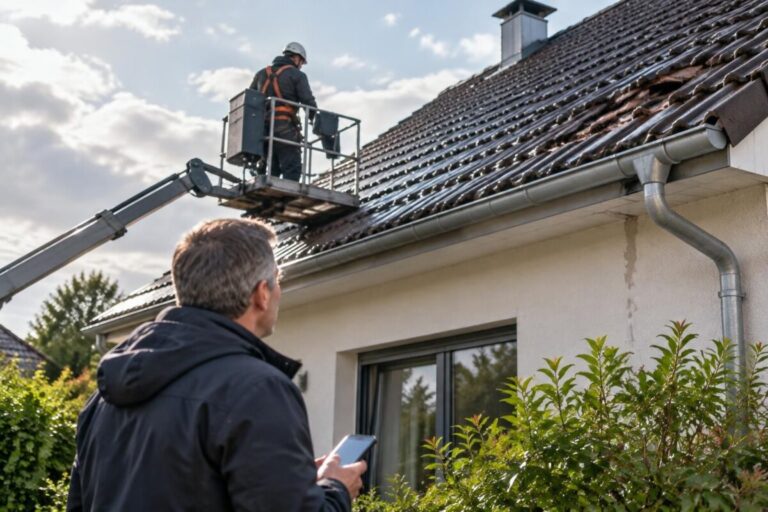
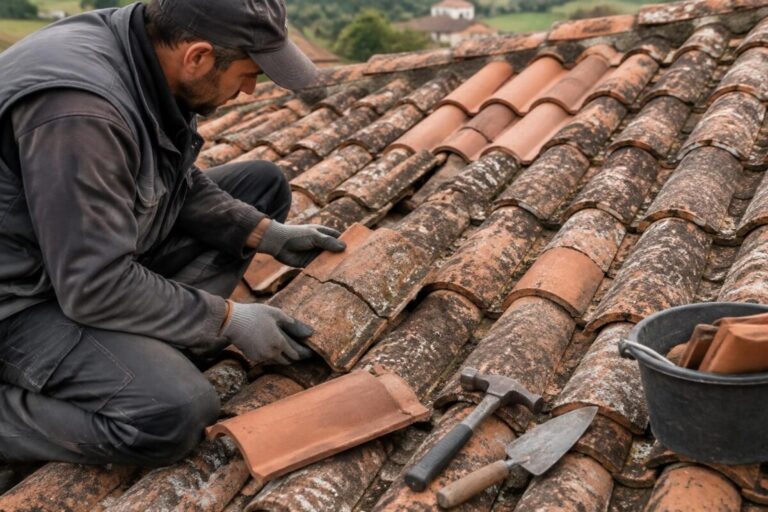
2. Have a professional stop the water from getting in. Ask for a roof repair suited to the cause, not just a surface patch. The roofer can arrange temporary tarping until a lasting repair can be made; leave the exterior work to them, especially in bad weather.
3. Arrange for the attic to dry out. Once the leak has been stopped, let the area dry and have the moisture levels in the insulation and wood checked. Depending on the material, the amount of water and the ventilation, drying may take several days or longer; a professional can determine whether assisted drying is needed.
4. Replace the insulation only if its condition requires it. Soaked, compressed or contaminated insulation, or insulation that retains a damp smell, should be assessed before being reused. To decide what to salvage first, follow this advice on insulation affected by water.
5. Check ventilation and watertightness after the work. Effective insulation needs to stay dry, and the roof must be able to release moisture as intended by its design. Blocked ventilation can encourage condensation; this guide explains how to tell a leak from a ventilation problem.
Dry out and renovate without trapping moisture
Covering insulation that is still damp too soon can slow down drying and create conditions favorable to mold. Mold prevention starts with stopping the leak, removing the moisture and checking the materials before closing up the ceiling.
Insulation renovation must also respect the existing ventilation and the installation requirements for the chosen material. Applying bitumen tape or sealant without first assessing the problem will not necessarily fix a faulty joint: compare the options in this article on roof waterproofing repairs that last.
If water damage affects the ceiling, walls or furniture, keep photos and receipts, then contact your insurer to find out how to file a claim under your policy. Also note the date you discovered the damage and the steps you took; this information will help with your claim.
The three-step process after a nighttime emergency
- Make the area safe: protect your belongings, collect the water and switch off the electricity if the area is at risk. Don’t climb onto the roof.
- Identify the cause: have a roofer find the source, then ask for an attic drying plan if the insulation has been affected.
- Make lasting repairs: restore the roof’s watertightness, replace damaged materials and check the ventilation before closing everything up.
A small leak that is stopped quickly does not always require a complete renovation. However, if the insulation remains damp, sags or smells musty after drying, have it assessed for replacement rather than covering it up.
Practical questions after a roof leak
Can you keep the insulation after a leak?
Sometimes, if the material is not soaked, deformed or contaminated and dries completely. Have its condition checked before closing up the ceiling.
Should you put a tarp on the roof yourself?
No. A wet or dark roof is dangerous. Protect the inside and leave exterior tarping to an equipped roofer.
How long does it take to dry out an attic?
It depends on the amount of water, the material and the ventilation. Drying may take several days or longer; a professional can measure moisture levels and advise you on what to do next.
How can you prevent the leak from coming back?
After the repair, have the joints, tiles and gutters checked. Regular roof inspections and appropriate ventilation help protect the insulation over the long term.
Thanks for reading this far; Ivar