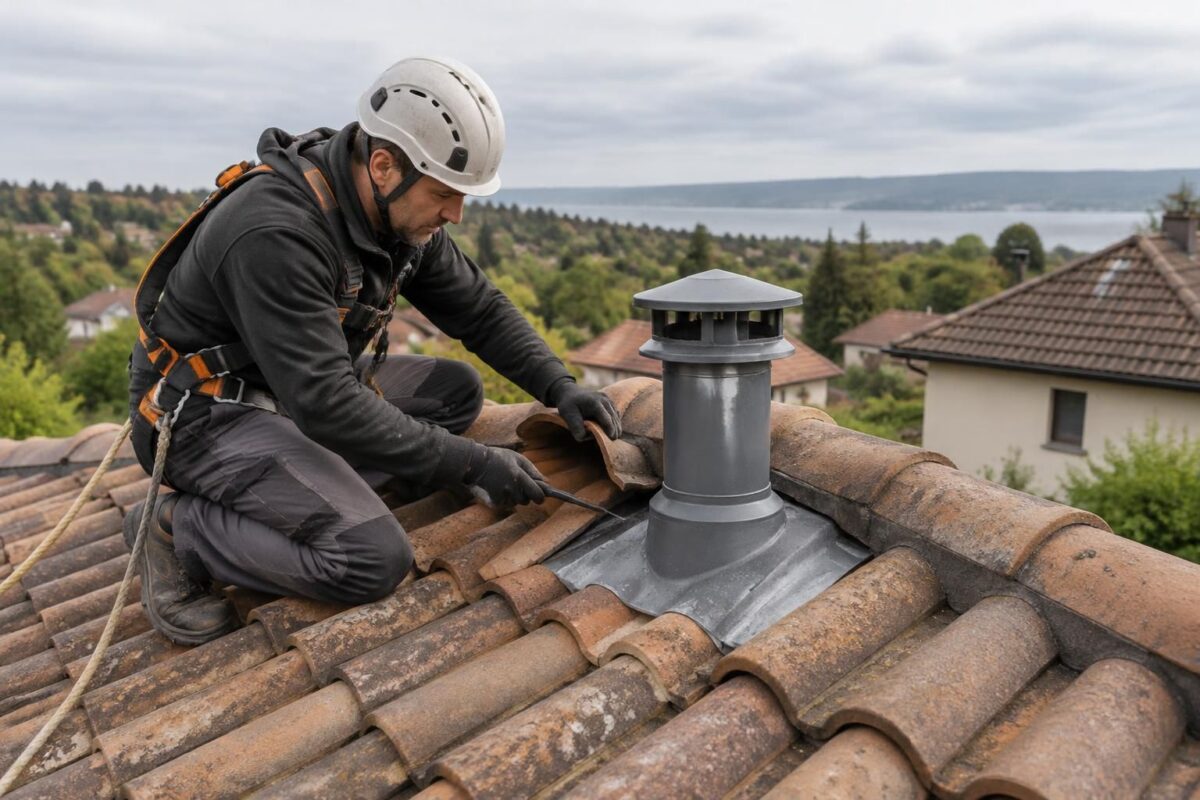
Roof ventilation: should you check it before looking for the leak?
Hi, it’s Ivar. A halo on the ceiling doesn’t always mark where the water is getting in: it may have traveled along a rafter before appearing. Yes, check the roof ventilation before looking for a leak: condensation can look like a leak. A methodical inspection of the attic can then help guide your search for the leak without climbing onto the roof. In my article, I’ll give you some simple pointers to tell the two possibilities apart and protect your roof for the long term.
Quick checklist:
- Note where the dampness appears and whether it gets worse after rain.
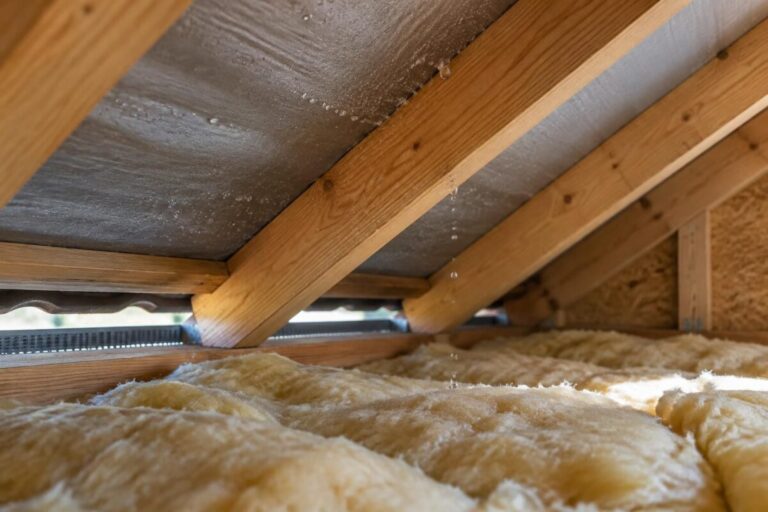
- Look around the attic with a flashlight: dark wood, damp insulation, or condensation on nails.
- Check that the air inlets and outlets aren’t blocked by insulation or debris.
- Inspect the gutters from a safe place and look for overflow.
- Photograph the marks and date the photos to track how they change.
Roof ventilation or water ingress: what should you check first?
Ventilation removes moisture produced inside the house and limits condensation beneath the roof. If air doesn’t circulate well, moisture can settle on cold surfaces, dampen the insulation, and leave marks that look like a leak. A blocked vent or an air gap interrupted by insulation may be enough to disrupt the system.
If the mark appears after heavy rain and then spreads, water ingress is more likely. If the dampness returns mainly in cold weather, with no recent rain, check for poor ventilation and condensation first.
A useful rule of thumb: if the dampness follows the weather, look for rain; if it persists in dry weather, check the airflow. This guideline isn’t a substitute for a roof inspection, but it can help you avoid treating inadequate ventilation as a roof waterproofing problem.
To understand signs that can be misleading, also see this guide to condensation that looks like a leak. Another useful possibility to consider is when minor water ingress can be mistaken for a false lead.
Roof inspection: trace the path of the water
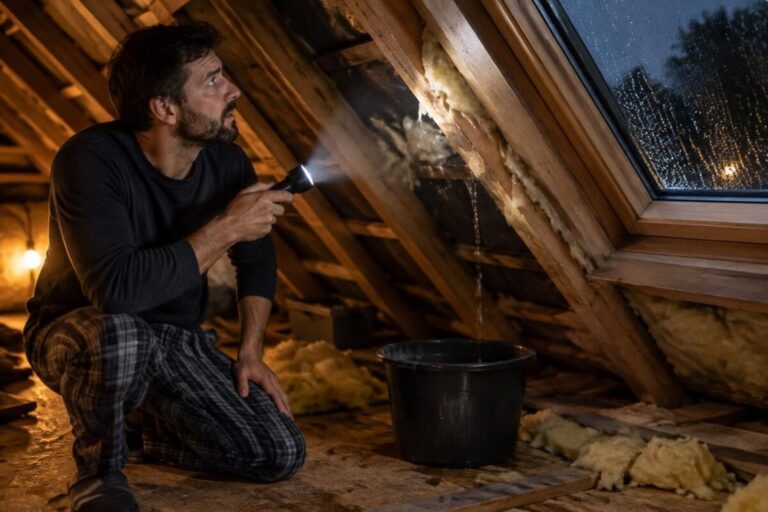
Start in the attic, without touching any damp electrical components. Shine a light on the rafters and roofing underlay, then look for shiny marks, water stains, darkened wood, or compressed insulation. The visible mark may be several metres from the entry point, because water often follows the easiest path.
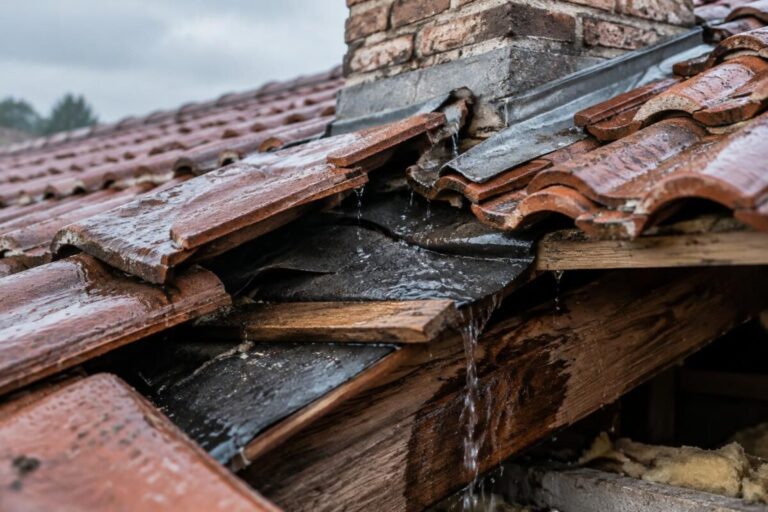
Connections around a chimney, a roof window, a ventilation outlet, or a wall are vulnerable areas. A clogged roof valley, a displaced tile, or a blocked gutter can also cause overflow and seemingly mysterious water ingress.
A common mistake is to look directly above the stain on the ceiling. Water may run along a rafter or underlay before dripping lower down, so visually trace its path upwards to the highest point.
| Sign observed | What to check | First check |
|---|---|---|
| Dampness after rain | Water ingress through a joint or tile | Attic, flashing, roof valleys, and roof window |
| Condensation or widespread dampness in cold weather | Condensation beneath the roof | Air inlets, air outlets, and insulation |
| Overflow during heavy rain | Blocked drainage | Gutter and valley gutter, viewed from a safe place |
Roof inspection in three simple steps
- Look inside: note the date, weather, and location of the marks. In the attic, use a flashlight and check whether the dampness seems localized or widespread.
- Check the ventilation: look for blocked vents, obstructed outlets, and insulation that is blocking airflow. If you’re unsure, this guide to ventilation solutions before mold appears may help guide your inspection.
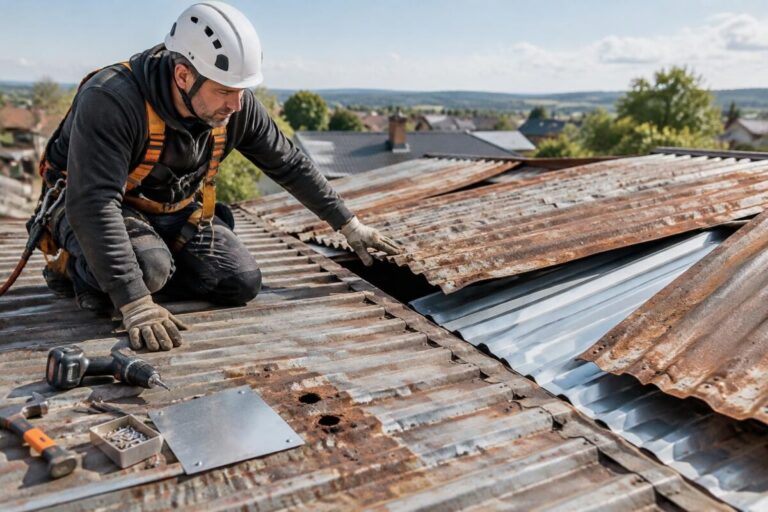
- Focus on the roof covering: look at any suspicious areas from the ground or have a roofer inspect the roof. Don’t climb onto a wet, windy, or fragile roof.
A thermal camera or a suitable test can help a professional when a visual search isn’t enough. It may sometimes be necessary to remove a small section, but do this only after the simple checks, not before.
Leak repair and roof maintenance: take action without making things worse
If water is dripping, first protect the furniture and floor with a container or a tarp placed indoors. Take dated photos. If the dampness affects an electrical installation, stay away from the area and seek professional help promptly.
Leak repairs depend on the material and the source of the problem: a broken tile can’t be repaired in the same way as loose flashing or a flat-roof membrane. A waterproofing product must be compatible with the surface and applied to a properly prepared area; sealant that’s too rigid may crack as the roof moves.
To help prevent the problem from recurring, clean the gutters in spring and autumn, and have the joints and ventilation checked based on the condition of the roof covering. If a vent isn’t enough to provide adequate airflow, this guide explains when a more comprehensive ventilation solution may be needed. A well-maintained, well-ventilated roof better protects both the insulation and the roof structure.
Video to understand roof ventilation
This video search helps illustrate the principles of airflow and the areas to check in the attic.
Frequently asked questions about roof ventilation and leaks
Can condensation look like a leak?
Yes. Poor ventilation can cause widespread dampness in the attic and marks on the ceiling. Compare when the marks appear with periods of rain, and check the air inlets and outlets.
How can I tell whether the water is really coming from the roof?
Look around the attic with a flashlight, check for marks on the rafters, and compare how they change with the weather. Water can travel before it becomes visible; a roofer can carry out further checks if the source remains undetected.
Can I climb onto the roof to look for the leak?
Avoid climbing onto a wet roof, in the rain, or in strong winds. It’s better to look from the ground and inspect the attic carefully; leave working at height to a properly equipped professional.
How often should I check the ventilation and roof covering?
Check regularly that the vents aren’t blocked, and adapt maintenance to the age and condition of the roof. Check the gutters especially in spring and autumn, and after heavy leaf fall.
Thanks for reading this far; Ivar