Cracked roofing materials: repair locally or replace everything?
Hi, it’s Ivar
When roofing materials crack, repairing a few elements may be enough, but not if the damage is widespread or the roof structure is weakening. Make local repairs if the damage is limited and the rest of the roof is sound; consider a complete renovation if the cracks multiply, leaks return, or the insulation and structure are affected. A full inspection can prevent you from replacing the entire roof covering unnecessarily, or paying for repeated repairs that conceal a deeper problem. Here are some pointers to help you choose between repair and renovation.
Quick checklist:
- Look for broken, displaced, or brittle roof tiles.
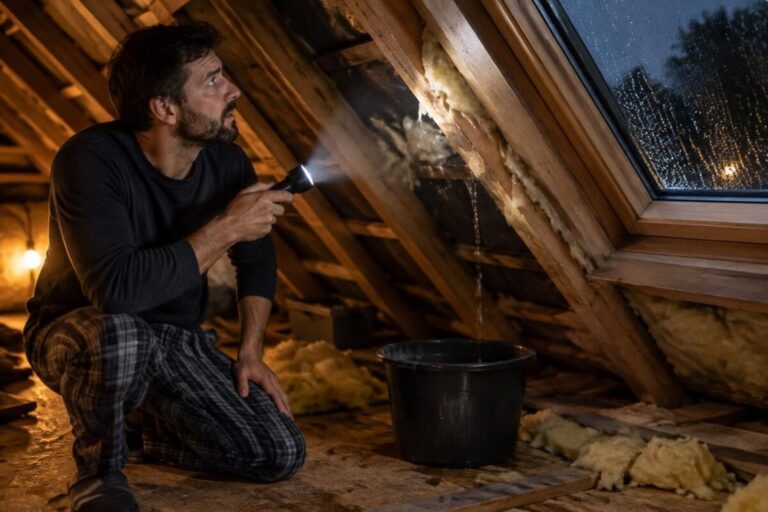
- Check for signs of moisture on the ceiling and in the attic.
- Check the ridge line and the visible condition of the roof structure.
- Get an estimate of how much of the roof covering is actually affected.
- Request an assessment before choosing materials or work.
Diagnosing roof cracks: when a local repair is enough
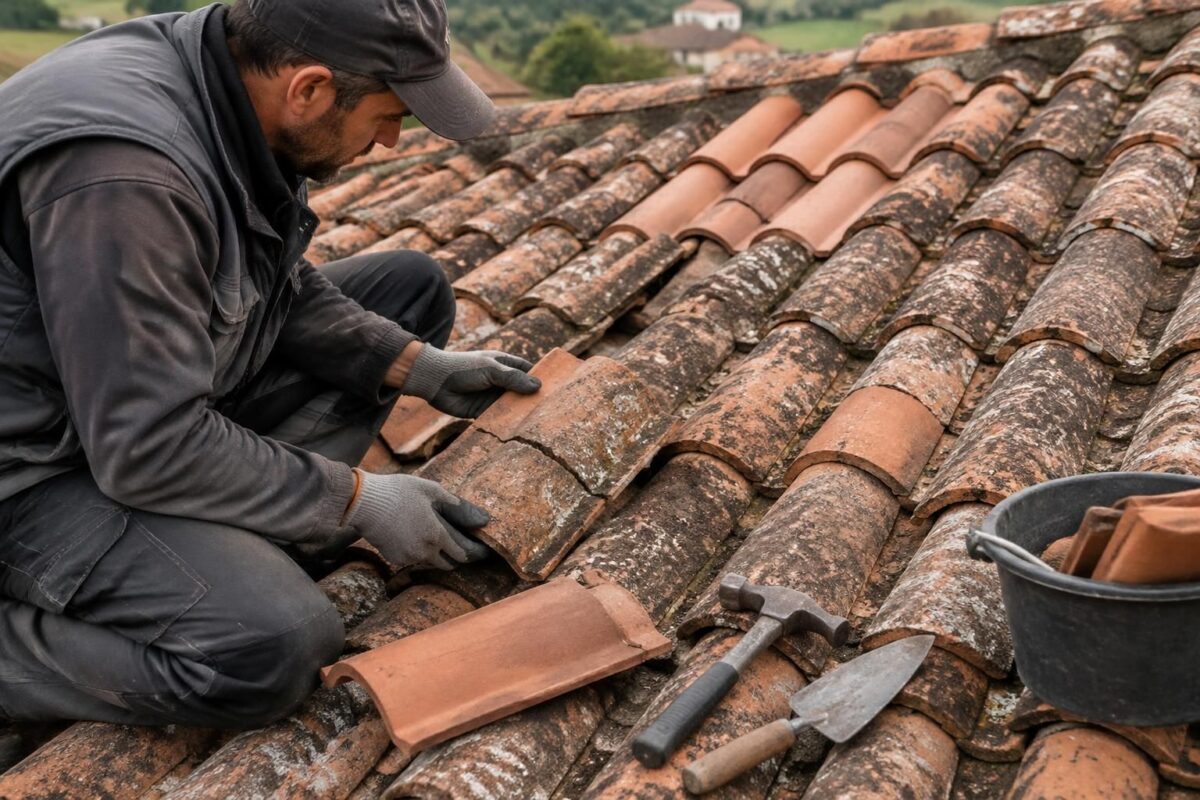
A local roof repair is often suitable if the cracks are confined to a small area, the surrounding elements are sound, and the roof structure shows no signs of weakness. Replacing a few tiles or repairing a joint can then stop a roof leak without undertaking a complete renovation.
The percentage of the roof covering that needs repair provides an initial indication: below around 20 to 30%, targeted work is often appropriate. This guideline varies depending on the roof’s age, type of covering, and location; it does not replace an inspection of the valleys, flashings, ridge tiles, and gutters.
A roofer can also check whether the water is actually coming in through a crack or is due to a ventilation problem. These two causes can sometimes look alike indoors. To understand the role of airflow beneath the roof covering, see this guide to ventilation and roof leaks.
Identifying damaged roofing materials
Cracked or slipping tiles, heavy moss growth, signs of moisture, or darkened timber are warning signs to take seriously. A worn detail around a joint can let water in even if most of the roof appears intact; this guide to worn materials and water ingress can help you spot these less obvious areas.
A common mistake is to seal a crack without checking the surrounding elements. A patch may delay water ingress, but it will not fix a roof covering that has become brittle or a deteriorated substrate.
Complete roof renovation: signs that change the decision
When leaks return after several repairs, damage appears in different places, or the roof structure is sagging, patch repairs may become costly without addressing the cause. A complete roof renovation then becomes an option worth seriously considering, especially if the insulation is poor or absent.
A roof’s lifespan depends on the materials and how well they are maintained: a concrete tile roof often lasts several decades, while natural slate can last longer. These are approximate figures that vary with the model, climate, and installation; an old roof does not automatically need replacing if its overall condition is still good.
If less than a quarter of the roof covering is affected and the roof structure is sound, targeted repairs can extend the roof’s service life. If the damage exceeds around 30%, leaks keep recurring, or the structure is affected, it is worth getting a comparative quote for a complete reroof.
Simple rule: don’t judge the roof by its most visible crack, but by its overall condition. During a reroof, adding effective insulation and a suitable membrane can improve thermal comfort and weatherproofing; however, ventilation must still be properly designed. Openings and air inlets are not minor details: if they are handled poorly, they can compromise both the roof covering and the insulation.
Comparing roof repair costs with the cost of reroofing
Roof repair costs depend on access, materials, and the extent of the damage. A small repair usually costs less upfront, while replacing the roof covering requires a larger budget; however, repeated repairs can eventually cost more than reroofing. Compare quotes over several years, not just at the time the work is done.
| Criteria | Local repair | Complete reroof |
|---|---|---|
| Overall condition | Isolated damage, roof covering still sound | Widespread wear or recurring problems |
| Immediate budget | Often low to moderate | Higher, depending on the area and materials |
| Insulation | Limited improvement in most cases | Opportunity to upgrade insulation and weatherproofing |
| Risk of further work | Higher if the roof is nearing the end of its service life | Reduced if the roof covering and details are properly replaced |
When a tile is cracked, the repair must be compatible with the existing roof covering. Makeshift fixes can deteriorate quickly; here are some points to consider before repairing a tile or applying a patch.
A three-step method for making a decision
- Step 1: Have the roof covering, joints, attic, and roof structure inspected. Ask them to distinguish visible damage from its likely cause.
- Step 2: Compare the proportion of the roof affected, the age of the materials, and any repairs already carried out. If the insulation needs upgrading, include this work in your calculations.
- Step 3: Request separate quotes for the repair and the reroof, detailing the proposed materials, ventilation, and weatherproofing.
For insulation, also check that air inlets are not blocked or poorly positioned; this resource explains the risks associated with low-level vents and insulation mistakes. A good decision protects both the roof covering and everything beneath it.
Questions to ask before roofing work
Can a roof with several cracks be repaired?
Yes, if the cracks are grouped together, the surrounding materials are still sound, and the roof structure is in good condition. If they are spread across the roof or accompanied by recurring leaks, request an assessment before carrying out more repairs.
How much of the roof needs to be affected before it should be replaced?
Reroofing often becomes worthwhile when around 20 to 30% of the roof covering is affected, but this threshold depends on the age, materials, and roof structure. It is a guideline, not an automatic rule.
Does a cracked roof always lead to a leak?
Not necessarily. Water can also enter through a joint, a valley, or a ventilation problem. The cause must be identified before choosing the type of repair.
Should you take the opportunity to insulate the roof during a reroof?
It is often a good time to do so if the insulation is inadequate, as roofing work makes it easier to access the layers beneath the roof. Ventilation and weatherproofing should be planned together.
Thanks for reading this far; Ivar