Roof insulation: will water beneath the roof ruin everything?
Hi, it’s Ivar. No, a water leak beneath a sloping roof doesn’t necessarily ruin all the insulation: first repair the leak, then dry or replace the affected materials. However, if water remains trapped, it can cause mold, damage to the wood, and reduced performance. The right approach: fix the waterproofing before closing up the ceiling.
Quick checklist:
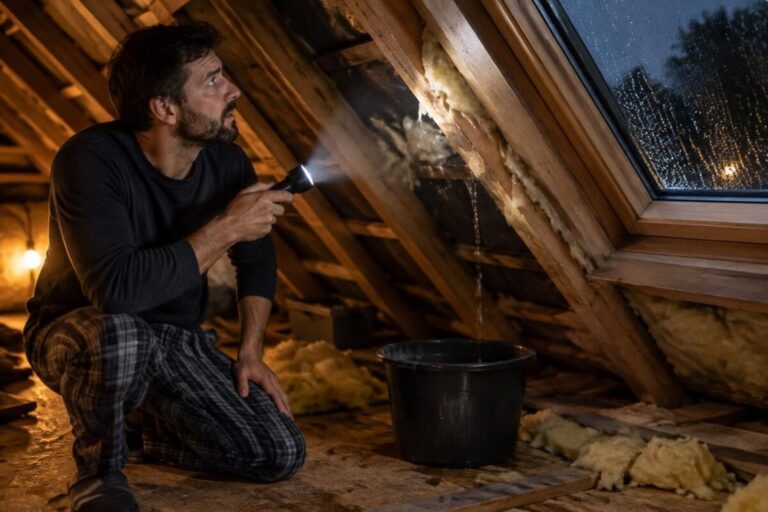
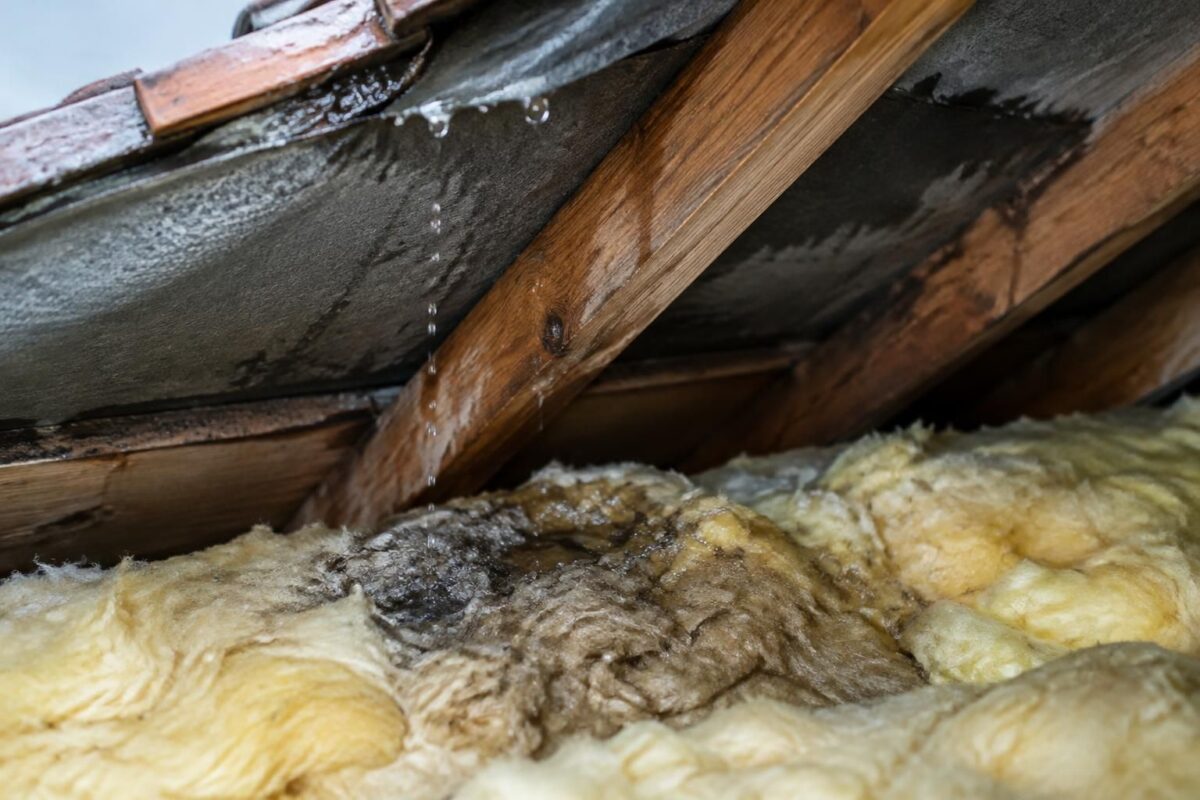
- Look for water stains, drips, and marks near the rafters.
- Check the roof covering after rain, without climbing onto the roof.
- Move the wet insulation aside and have the roof structure inspected.
- Have the leak repaired before installing anything new.
- Check the ventilation and airtightness after the work is done.
Water leak beneath a sloping roof: when is the insulation at risk?
Water doesn’t always destroy insulation on first contact. But a material that is soaked or damp for several days can lose some of its effectiveness and lead to water damage beneath the roof.
Mineral wool can settle, while bio-based materials can retain moisture. In both cases, the roof structure and interior finishes should also be examined: a visible stain doesn’t necessarily show the full extent of the affected area.
A common mistake is to install a new panel over insulation that is still damp. The problem disappears from sight, not from the roof: moisture in the attic continues to do its work behind the finish.
“Fix the cause before covering up the mark.” This rule helps prevent a small roof leak from turning into a full-scale project.
Roof leak or condensation: how to tell the difference
A leak often leaves a localized mark that gets worse after rain or snowmelt. Condensation is more likely to appear in several cold areas, with fogging, a persistent odor, or mold in the attic.
If a water stain grows after every rainy spell, have the roof covering, flashing, and roofing underlayment inspected. When moisture appears mainly in winter and isn’t linked to rain, also check the ventilation and vapor barrier.
To better understand the vulnerable areas before closing up the ceiling, see this guide to roof waterproofing before installing drywall. Preventing leaks starts above the insulation, not behind the finish.
Roof repair: the three-step method
- Find and stop the water entry. Have a professional check the tiles, joints, valleys, and flashing if access is risky. A tarp can provide a temporary fix, but it doesn’t replace a proper repair.
- Dry the area and assess the damage. Open up the affected area if needed, remove the soaked insulation, and let the roof structure dry. A professional can measure moisture levels and identify hidden damage.
- Restore the insulation and ventilation. Replace damaged materials, ensure continuity of the appropriate vapor-control or vapor-barrier layer, then check that air is circulating as intended by the roof design.
Drying times range from a few days to several weeks, depending on the season, the material, and the extent of the moisture. Don’t close up the area until the components are dry and the cause has been fixed.
Insulating sloping roofs: materials and long-lasting protection
Glass wool and rock wool are common options, often valued for their cost and availability. Cellulose insulation or some plant-fiber insulation materials may also be suitable, provided you choose a system compatible with the roof and its moisture management.
Performance depends as much on installation as on the product: an even layer, without gaps or excessive compression, limits thermal bridging. To compare roof insulation materials for renovation, consider the available thickness, climate, budget, and roof-slope configuration.
| Situation observed | Recommended action | What to watch for |
|---|---|---|
| Insulation wet in one area | Repair the leak and dry or replace the affected section | Residual moisture in the wood |
| Settled or moldy insulation | Remove damaged materials and check the surrounding area | Moisture source left untreated |
| Recurring condensation | Check ventilation, the vapor barrier, and airtightness | Widespread issue beneath the roof |
Good thermal insulation isn’t enough if damp air circulates through the roof layers. To check airflow paths and leak points, this article explains where air gets through beneath a sloping roof.
Moisture in the attic: inspection and maintenance
After the work is done, inspect the attic at the change of seasons and after heavy rain. Look for a musty smell, new water stains, black marks, and sagging insulation.
A well-ventilated roof and a well-maintained roof covering help extend the life of the insulation. RE2020 mainly applies to new construction; for renovation, applicable requirements and financial assistance depend on the project and the circumstances of the property.
If there’s an active leak, exposed electrical wires, or a roof structure that’s deforming, stay away from the area and seek professional advice promptly. An early inspection often costs less than repairing the ceiling and insulation.
Should insulation be replaced after a leak?
Not always. Slightly damp insulation can sometimes dry out, but soaked, settled, or moldy material generally needs to be removed after the leak has been repaired and the roof structure inspected.
How can you identify a roof leak?
A stain that spreads after rain, dripping water, or a mark near a joint may indicate a leak. Widespread moisture, especially in cold weather, can also signal condensation.
Can you insulate before repairing the roof?
No. The roof covering must first be watertight, and the affected area must be sufficiently dry. Insulating over a leak can trap moisture and make the damage worse.
How can you limit mold in the attic?
Repair leaks promptly, check the ventilation and airtightness, then replace contaminated materials if necessary.
Thanks for reading this far; Ivar