Thermal insulation: water on the ceiling, what should you save first?
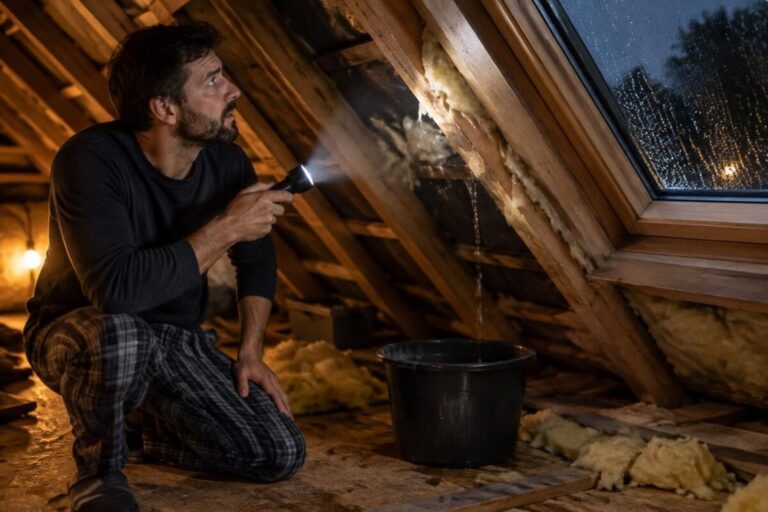
Hi, it’s Ivar. If you see water on the ceiling, get people to safety first and secure the electricity, then turn off the water supply if a pipe is leaking. Move your belongings and stop the water from getting in before touching the insulation. Once the area is safe, the wet insulation can be assessed, dried or replaced depending on its condition.
Quick checklist:
- Keep people and pets away from the wet area.
- Switch off the power at the breaker from a dry location if water is near wires or light fixtures.
- Turn off the water supply if the leak seems to be coming from a pipe.
- Move belongings, furniture and important documents out of the room.
- Photograph the damage and contact your insurer and a professional if the water is still coming in.
Water on the ceiling: what to save first
The priority isn’t the insulation: it’s safety. Don’t touch a bulging ceiling or a wet light fixture. If the breaker is in a wet area, don’t go there; ask an electrician for help.
Place containers on the floor only if you can do so without standing beneath an area at risk of falling. A pocket of water or a ceiling that is buckling can give way without warning. Protecting the furniture comes next: move whatever you can and cover the rest with a tarp.
Make a note of the time, photograph the marks and keep any relevant receipts. This information will help explain the damage to your insurer, without delaying safety measures.
Stop the leak before saving the thermal insulation
Water ingress can come from a pipe, an appliance on the floor above or a roof leak. Water can travel through the structure before appearing on the ceiling, so the water stain doesn’t always indicate the exact location of the leak.
If water comes back after rain, have the roof covering and waterproofing checked; useful signs are described in this article about hidden roof leaks. If the mark spreads or the musty smell persists, don’t delay taking action: moisture damage can spread through hidden materials.
Simple rule: fix the cause before closing up the ceiling. Painting or installing new insulation over an active leak will only hide the problem.
A common mistake is to remove all the insulation wool immediately without knowing whether the ceiling is stable or the power is off. Trapped water and damp materials can also conceal wires or weakened components.
Wet thermal insulation: dry it or replace it?
Wet thermal insulation can’t always be salvaged. The decision depends on the material, the amount of water, how long it was exposed and whether there is any dirt or mould.
Fibrous insulation such as mineral wool, if soaked or sagging, often loses some of its effectiveness and can retain moisture. A rigid material that is only slightly affected may sometimes be dried, but you need to check the back, the joints and the substrate, not just the surface.
| Condition observed | Priority | Next steps to consider |
|---|---|---|
| Light mark, insulation dry to the touch | Identify and repair the leak | Monitor moisture and check the substrate |
| Insulation damp in a small area | Have the full extent assessed | Controlled drying or local replacement |
| Insulation soaked, compressed or smelly | Restrict access and address the cause | Removal and replacement often necessary |
| Bulging ceiling or water near an electrical circuit | Evacuate the area and make it safe | Urgent intervention by a professional |
Drying out the ceiling should begin after the leak has been stopped and electrical safety has been checked. Ventilate the area if it’s safe to do so, but avoid blowing hot air directly onto a fragile ceiling: a professional can measure the moisture in the materials.
For an area that’s already wet, removal precautions are detailed in this guide to cutting out wet insulation. Don’t close up the ceiling until the structure and insulation are dry.
Three steps to protect the room and repair the insulation
- Make it safe: move occupants away, switch off the power from a dry location if necessary, and turn off the water if there’s a plumbing leak. Don’t puncture a bulging ceiling or climb a ladder in a wet area.
- Stop the leak and document the damage: have the source located, collect the water only if the ceiling remains stable, then take photos before cleaning. Ventilate carefully and notify your insurer.
- Dry out and rebuild: have the ceiling checked, remove waterlogged materials if necessary, then replace the insulation once everything is completely dry and the leak has been repaired.
If the water is coming from the roof, poor ventilation can also keep the area damp; here’s why roof ventilation matters. Repairing the insulation should include addressing the cause, providing suitable ventilation and installing materials without trapping moisture.
Two situations that call for different responses
If a few drops appear after a pipe leak that was quickly stopped and the insulation remains dry, have the substrate checked, then monitor the area as it dries. If the ceiling bulges, water is dripping near a light fixture or the insulation is sagging, evacuate the room and call a professional promptly.
To protect pipes and maintain access for future repairs, plan for accessible access panels and avoid enclosing pipes and fittings behind insulation that cannot be removed.
Frequently asked questions about water on the ceiling and insulation
Can I keep insulation that has gotten wet?
Sometimes, if the moisture is limited, the material is neither compressed nor contaminated, and it dries completely. Soaked fibrous insulation or insulation that retains an odour often needs to be replaced after inspection.
Should I puncture a ceiling with a pocket of water?
Don’t puncture it yourself: the ceiling may be weakened, and the water could reach wires. Keep occupants away and have a professional decide whether to drain the water in a controlled way.
How long should I wait before repairing the ceiling?
There’s no set timeframe: the substrate must be dry and the leak repaired. The time required depends on the amount of water, the material and the ventilation; a moisture reading can help you decide.
What should I do if the water seems to be coming from the roof?
Protect the room without going near an unstable area, photograph the damage and contact a roofer or waterproofing professional. The repair must address the water entry point before the insulation is replaced.
Thanks for reading this far; Ivar