Roofing materials: repair a sheet or replace it?
Hi, it’s Ivar. If the sheet metal is damaged in a small area and the roof structure is still sound, a targeted repair is often enough. If corrosion has spread across several sheets, leaks keep recurring, or more than 30% of the roof is affected, replacement is generally more durable. The right choice also depends on the watertightness, ventilation, and insulation beneath the roofing.
Quick checklist:
- Look for holes, deformed sheets, and signs of corrosion.
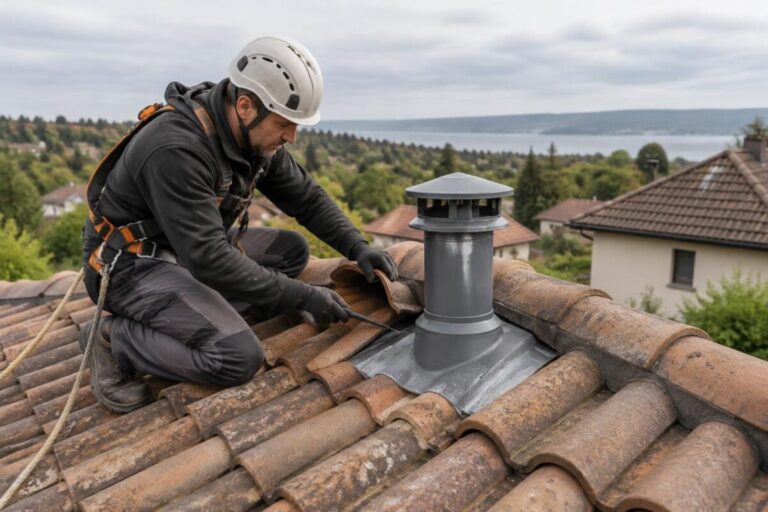
- Check the fasteners, seals, and flashing around chimneys.
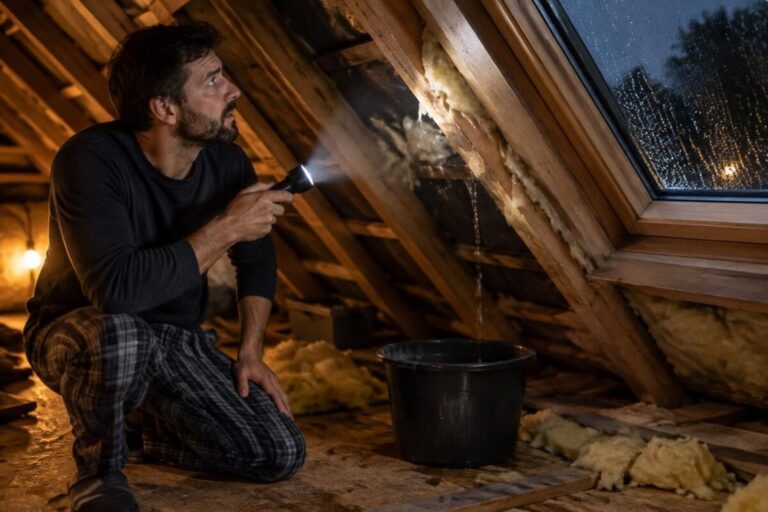
- Inspect the attic for dampness, mold, or weakened wood.
- Estimate how much of the sheet metal is damaged: a few sheets or an entire roof slope?
- Get an assessment before choosing between roof repair and replacement.
Damaged roof sheet metal: signs to look for
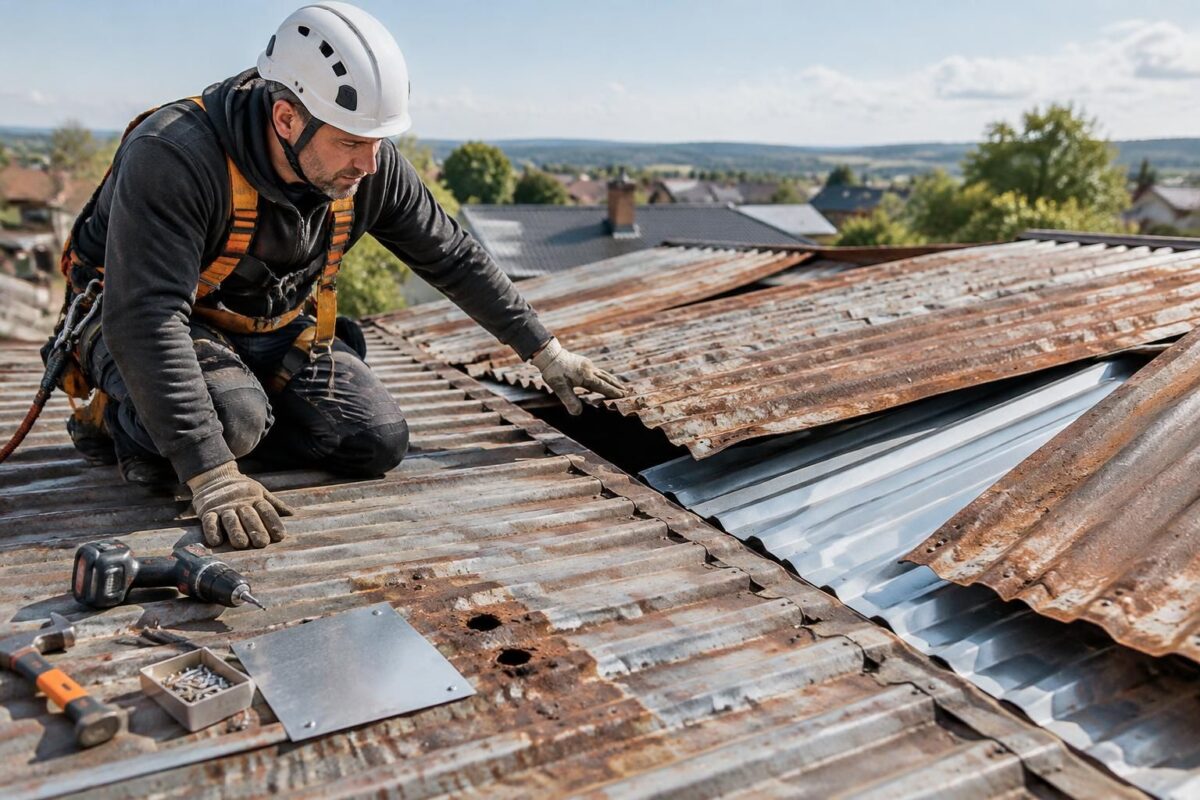
A small puncture, a loose screw, or a worn seal can cause a roof leak without requiring the entire roof covering to be replaced. However, rust marks, raised edges, and sheets that vibrate in the wind should be inspected promptly.
Also look beneath the roof covering. Wet insulation or a musty smell can indicate an old leak, but also inadequate ventilation. Before opening up or replacing materials, consult these guidelines on wet roof insulation and on choosing between anti-condensation membrane and air gap.
A common mistake is to cover rust with a product without treating the area or checking the fasteners. Water then finds another way in, sometimes reaching the insulation.
Repair a sheet or plan to replace it?
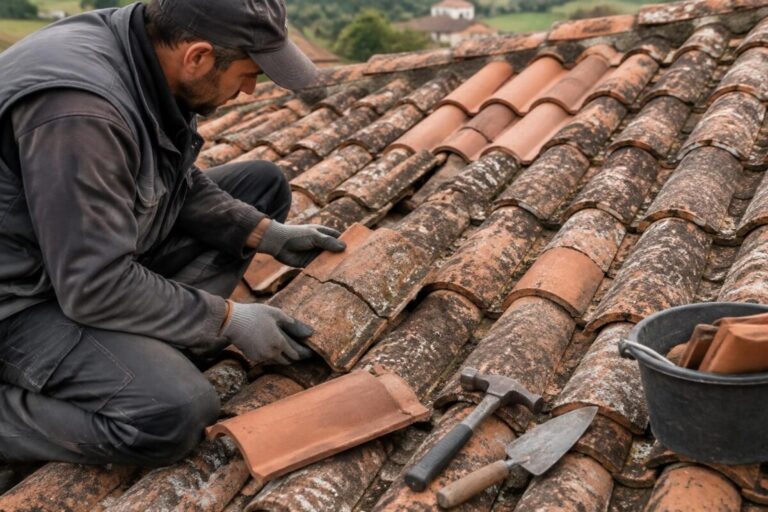
Repair is most suitable when the damage is localized, the surrounding sheets are still solid, and the structure shows no signs of weakness. Depending on access, the type of sheet metal, and the extent of the work, expect to pay around €50–150/m² for a repair, including installation.
When sheets are deformed in several areas, corrosion is spreading, or repairs keep piling up, replacing the sheet metal becomes a more practical option. For a complete roof replacement, budget around €180–350/m², depending on the material, roof pitch, and complexity of the project.
If less than 15% of the surface is affected and the roof structure is sound, a targeted repair is often the simplest choice. When the damage exceeds around 30% or the wood is weakened, replacing the roof covering can reduce repeated repair costs in the long term.
| Roof condition | Option to consider | What to check |
|---|---|---|
| One or a few punctured sheets | Localized repair | Condition of screws and seals |
| Corrosion or damage in several areas | Assessment before deciding | Overall condition of the sheets and the supporting structure |
| More than 30% damaged or fragile roof structure | Replacement more likely | Structure, insulation, and ventilation |
To compare the options, a roofing contractor can also specify the cost of a long-lasting repair and the risks associated with poor fastening. A single incorrectly installed screw can let water in: here’s how the watertightness around roof screws can be compromised.
Protecting the roof during the work
A durable roof covering depends on more than just the choice of roofing materials. Water must drain properly, the flashing must remain watertight, and air must circulate beneath the sheets to limit condensation and corrosion.
“A sound roof sheds water, but it must also be able to dry out.” This rule applies to one-off repairs as well as a complete roof renovation. If the insulation is replaced, also check that the vapor barrier is continuous and that the underside is ventilated.
To better understand the trade-offs, compare leak risks for different roof coverings and the costs of repairs using this advice on leaks in sheet metal, tile, and flat roofs and on the cost of a durable waterproofing repair.
A simple three-step approach
- Identify: From a safe place, note any rusted areas, missing fasteners, and signs of water in the attic. Do not climb onto fragile or wet sheet metal.
- Get an assessment: Ask the roofing contractor to inspect the sheets, flashing, roof structure, insulation, and ventilation, then distinguish urgent repairs from preventive work.
- Compare: Request several detailed quotes. Compare repair with replacement, taking into account the expected lifespan and any available subsidies if the work includes high-performance insulation.
Frequently asked questions about repairing a sheet metal roof
Can a punctured roof sheet be repaired?
Yes, if the hole is isolated and the surrounding sheet metal is still sound. A roofing contractor will choose a repair suited to the material and check the fasteners as well as the watertightness.
When should roof sheets be replaced rather than repaired?
Replacement should be considered when corrosion is extensive, several sheets are deformed, leaks keep recurring, or more than about 30% of the roof covering is affected.
Does ventilation matter for a sheet metal roof?
Yes. Adequate ventilation helps remove condensation and limits dampness beneath the roof covering, which can accelerate corrosion and damage the insulation.
Does a simple repair qualify for subsidies?
In general, national subsidies are mainly intended for energy-efficiency improvements. Eligibility depends on the program, the home, and the contractors selected; check the requirements before signing a quote.
Thanks for reading this far; Ivar