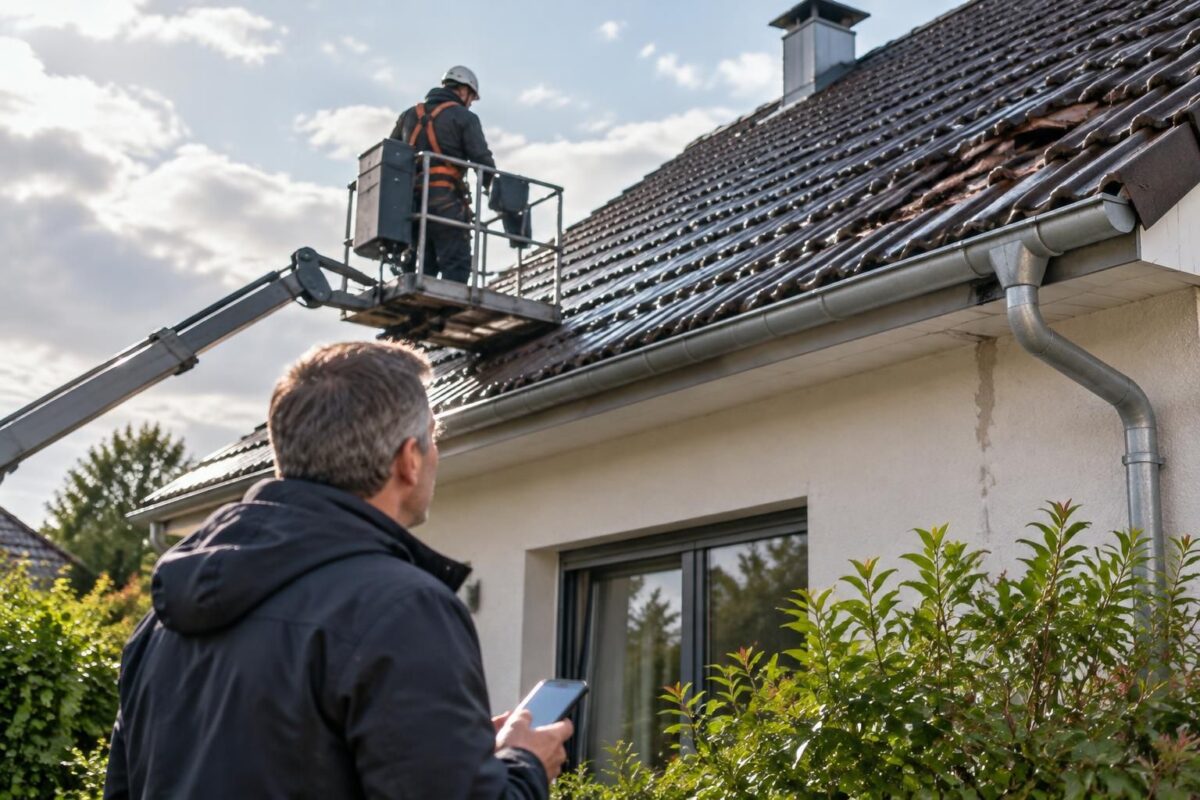
Roof Waterproofing: Should You Get on the Roof Right Away?
Hi, it’s Ivar. No, don’t climb onto the roof just yet: look for signs from a safe place and call a professional if the roof covering appears damaged. A roof leak may be caused by a displaced tile, a faulty joint or an aging membrane, but water visible indoors doesn’t always indicate the exact location of the problem. In my article, I’ll help you choose the right steps without turning a leak into an accident.
Quick checklist:
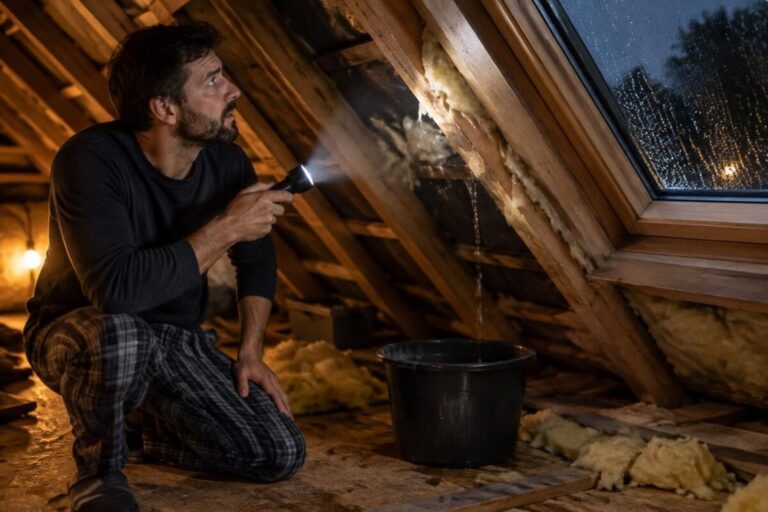
- Stay away from areas where water is coming through the ceiling and protect belongings with a container.
- Take photos of the damp patches and note when they appear.
- Look at the roof from the ground or a window, without climbing a ladder.
- If water is getting near a light fixture, turn off the power to that area if you can do so safely.
- Contact a roofing professional if the leak gets worse or the roof covering seems unstable.
Roof waterproofing: when should you avoid climbing onto the roof?
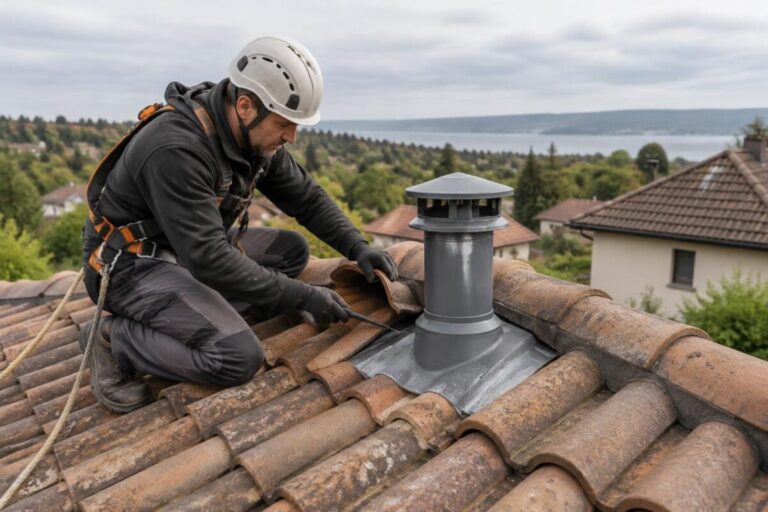
A wet, icy or wind-swept roof can quickly become dangerous. Climbing onto the roof without the right equipment can lead to a fall, even if you’re only replacing a tile that seems easy to reach: roof safety comes before diagnosis.
If the ceiling is bulging, water is running near an electrical installation, or several rooms are affected, treat the situation as a roofing emergency. If the mark is old and dry, monitor it and arrange for a professional roof inspection, without trying to walk on the roof covering.
To limit the damage before a contractor arrives, you can follow these initial safety steps. Simple rule: never take a risk at height to confirm a leak.
Roof leak: how to spot the signs without climbing
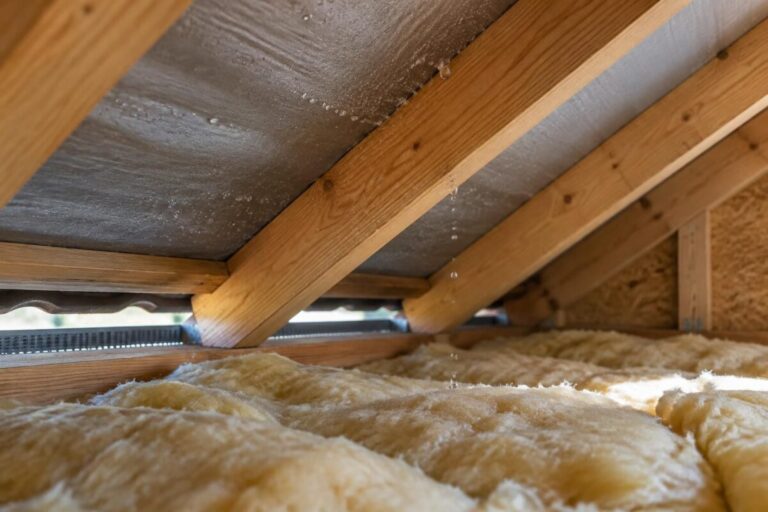
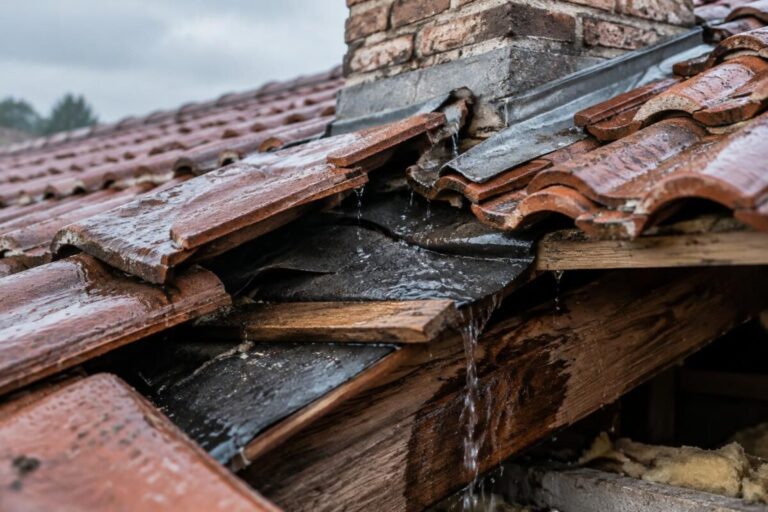
A spreading water stain, a musty smell, blistering paint or damp insulation can indicate water ingress. Outside, broken tiles, debris in the gutter or a joint that has come loose are signs you can look for from the ground, using binoculars if needed.
A common mistake is to apply sealant to the first visible tile. Water may have traveled beneath the roof covering before appearing on the ceiling, so a proper leak diagnosis looks for the source, not just the indoor stain.
For a leak that remains hidden, this guide explains how to organize your observations without doing anything dangerous: locating a hard-to-find leak.
Two situations, two levels of urgency
If water is actively leaking or poses a risk to an electrical appliance, move people away from the area and call a roofer promptly. If a small stain remains stable and dry, document it and request an inspection as soon as possible, without climbing onto the roof.
Roof repair: a simple three-step process
- Protect: move the furniture, place a container under the leak and avoid touching wet electrical components.
- Document: photograph the damage, note the date and weather conditions, then check whether the mark is changing.
- Get a diagnosis: share this information with a roofing professional and ask for a quote that specifies the source of the problem and the planned repairs.
Avoid makeshift repairs on a wet roof covering. Patching products can be useful in some cases, but they’re no substitute for a lasting repair or installation suited to the roofing material.
Waterproofing membrane, insulation and ventilation: think long term
On a flat or low-pitched roof, waterproofing also depends on the condition of the substrate, upstands and water drainage. A TPO, EPDM, PVC or bituminous membrane shouldn’t be chosen at random: the slope, climate, roof details and manufacturer’s recommendations matter just as much as the price.
Depending on the material, installation and exposure, a membrane can often last around 10 to 30 years. Bitumen is generally more affordable, while some synthetic membranes may offer a longer service life; compare warranties and maintenance requirements rather than relying on a single claim.
To protect indoor comfort as well, combine suitable insulation with good ventilation and controlled airtightness. An HPV underlay can provide additional protection during roof replacement, while the vapor barrier should be selected and installed to suit the insulation configuration.
| Item to check | Why it matters | Appropriate action |
|---|---|---|
| Water drainage | Standing water puts strain on joints and the membrane. | Have the slopes, gutters and drains checked. |
| Joints and corners | These areas are often vulnerable to water ingress. | Have a roofer repair them using compatible materials. |
| Insulation and ventilation | Moisture can damage insulation and encourage mold growth. | Check that the insulation is continuous and that air is properly circulated. |
| Condition of the membrane | A tear or loose section can let water in. | Schedule regular inspections and repairs suited to the system. |
A visual check from a safe access point at least once a year and after severe weather can help identify problems early. Regularly maintaining gutters and drains also helps protect the roof over time.
Hiring a roofer: what to ask
Ask the professional to explain the likely source of the leak, the areas inspected and the materials needed. A useful quote distinguishes between an immediate repair and a lasting roof repair, and specifies the safety arrangements for working at height.
The difference between a patch and a full repair can be significant, depending on access, area and material. To prepare for the discussion, see this guide to the cost of a lasting repair; however, only an inspection of the roof can provide an accurate estimate of the work.
Should you climb onto the roof to find a leak?
No, not without equipment, training and safe weather conditions. Look from the ground or from a safe indoor access point, then have a professional inspect the roof covering if necessary.
What should you do if water is getting into the house?
Protect people and belongings, collect the water if you can do so safely, stay away from wet electrical installations and contact a roofer promptly.
How long does a waterproofing membrane last?
Its lifespan varies depending on the material, installation, exposure and maintenance; as a rough guide, it often ranges from around 10 to 30 years, depending on the product and situation.
Is good waterproofing enough to protect insulation?
It limits water ingress, but performance also depends on continuous insulation, suitable ventilation and a vapor barrier correctly selected for the roof configuration.
Thanks for reading this far; Ivar