Roof Ventilation: When a Leak Isn’t a Leak
Hi, it’s Ivar. A damp patch after rain doesn’t always mean there’s a leak: condensation can create similar marks. Note when and where they appear, then check the ventilation before repairing the roof covering. An accurate roof diagnosis prevents unnecessary work and protects both the roof frame and the insulation.
Quick checklist: distinguishing a leak from condensation
- Note whether the marks appear during rain, after a rainy spell, or in cold weather.
- Check whether the moisture is concentrated in one spot or spread across several areas.
- Observe the attic from a safe location: look for droplets, wet wood, water stains, or a musty smell.
- Visually check the gutters, tiles, and joints from the ground without climbing onto the roof.
- If water is near an outlet or light fixture, switch off the power to that area and call a professional.
When a roof leak is actually a ventilation problem
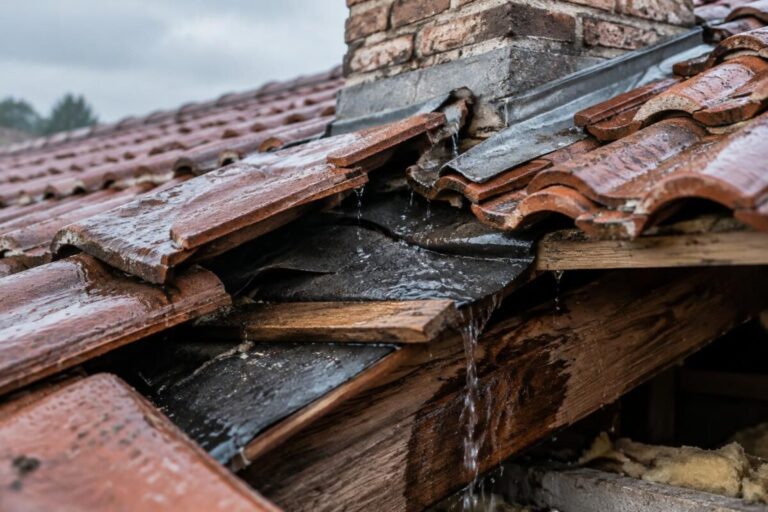
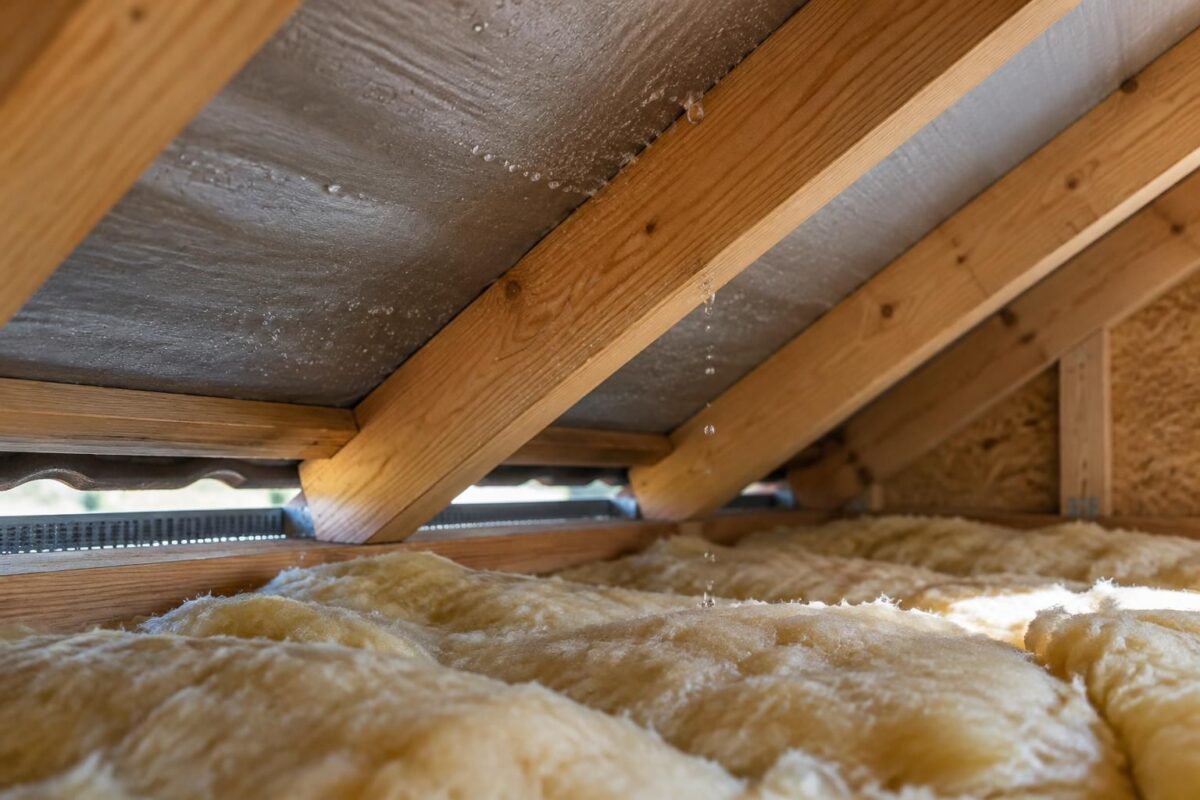
A roof water leak often follows rainfall and leaves a localized mark: a displaced tile, cracked flashing, damaged valley, or faulty roof window joint. By contrast, condensation beneath the roof tends to cause more widespread signs, sometimes when it hasn’t rained, with droplets on the roof frame or beneath the underlay.
If the stain spreads just after a shower and always remains in the same place, a leak is likely. When moisture appears mainly in cold weather and affects several surfaces, a ventilation problem is a strong possibility.
A common mistake is to redo a seal as soon as a water stain appears. If the water is coming from indoor air that has condensed, this repair won’t change anything: instead, you need to examine the attic ventilation and airflow.
To better understand this false alarm, read why condensation can look like a leak or learn about the signs of an airflow problem beneath the roof.
The role of ventilation and roofing underlay
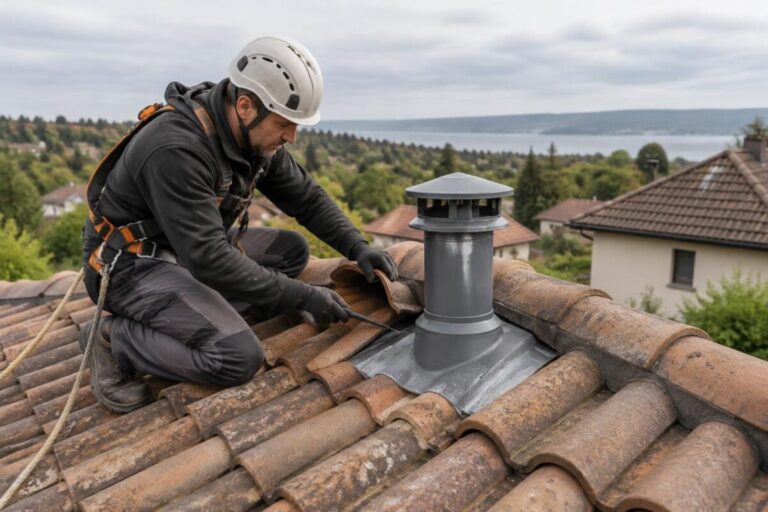
Effective roof ventilation draws air in at the bottom of the slope and lets it escape near the top. Depending on the roof design, vents, roof ventilators, or a ventilated ridge help create this airflow; the system must be suited to the roof, with air passages kept clear.
Roofing underlay helps protect the insulation from dust and external moisture, but it does not replace well-designed ventilation. Continuous insulation, proper management of water vapor, and well-planned air inlets and outlets also help with mold prevention.
A simple rule: water coming from outside is dealt with by fixing the waterproofing; water coming from indoor air is dealt with through ventilation.
Clues to compare before calling a roofer
| What you observe | Possible cause | Useful next step |
|---|---|---|
| Drips or a water stain after rain, always in the same place | Displaced tile, joint, flashing, or faulty valley | Photograph the mark and have the roof covering inspected |
| Widespread moisture, especially in cold weather | Condensation or insufficient ventilation | Check the airflow and the condition of the attic |
| Widespread marks despite apparently intact tiles | Porous or hairline-cracked tiles | Request a diagnosis before any treatment |
| Water overflowing at the eaves or pooling near a drain | Blocked gutter or faulty drainage | Have the water drainage route checked |
A tile can be porous or hairline-cracked without looking broken. An aging roof covering may then develop widespread marks, while faulty flashing is more likely to cause a mark near a wall, chimney, or roof window.
A three-step method for making the right diagnosis
- Observe: note when the marks appear, where they are, and what they look like. If possible, take photos after rain and in dry weather.
- Check safely: inspect accessible attic areas and look at the roof covering from the ground. Never climb onto a wet or wind-exposed roof.
- Get confirmation: if the cause remains unclear, request a professional inspection. Depending on the situation, a roofer may use a water test or a thermal camera.
If water is pouring in, protect your furniture, place a container beneath the leak, and move electrical appliances away. If a ceiling is bulging, don’t stand underneath it: call a professional promptly.
To avoid looking in the wrong place, you can also read these tips on checking the ventilation before looking for the leak. An annual inspection, and another after severe weather, often helps spot displaced tiles, deteriorating joints, and clogged gutters early.
Maintain the roof without weakening it
Keep drains clear and monitor the joint areas, especially after strong gusts or heavy rain. Avoid aggressive cleaning and applying water-repellent treatments without a diagnosis: they may not be suitable for a broken tile or faulty flashing.
A leak doesn’t disappear just because the stain dries. As long as the cause remains, the moisture can return and damage the roof frame or insulation; if repairs keep being needed, it may be worth comparing a full renovation with repeated spot repairs.
Frequently asked questions about ventilation and damp marks
How can you tell a leak from condensation?
A leak often appears during or after rain and remains localized. Condensation is more widespread, more common in cold weather, and can form droplets on the roof frame or beneath the roofing underlay.
Can a roof let water in without a broken tile?
Yes. Aging tiles can become porous or develop invisible hairline cracks. An inspection can distinguish this problem from a displaced tile or faulty joint.
What should you do while waiting for the roofer?
Protect your belongings, collect the water, and take photos. Don’t climb onto the roof; switch off the power to the area if water is near electrical equipment.
Does a water-repellent treatment fix every leak?
No. It may be suitable for porous tiles that are still in good condition, but it won’t repair a broken tile, faulty flashing, or a condensation problem.
Thanks for reading this far; Ivar