Roof underlayment: a simple option or real protection?
Hello, Ivar here.
A roofing underlayment is not always mandatory, but it provides real protection against leaks and damage when it is suitable and properly installed. It supplements the roof covering without replacing it. Its usefulness depends on the roof, the climate, the materials, and the rules applicable to the project.
Good practices to follow
- Check the condition of the roof covering: displaced or cracked tiles, signs of damp, and dust getting in all warrant inspection.
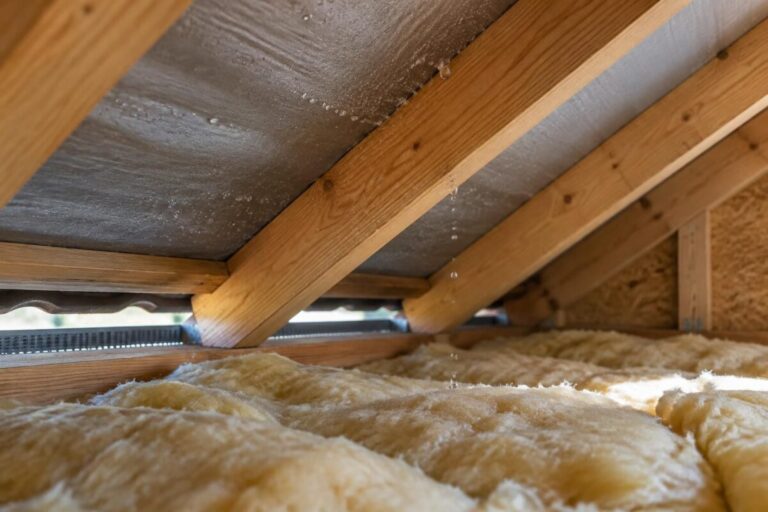
- Check the ventilation: air must circulate as intended by the design, without being blocked by the underlayment or insulation.
- Choose an underlayment that is compatible with the roof covering, the pitch, and the roof construction.
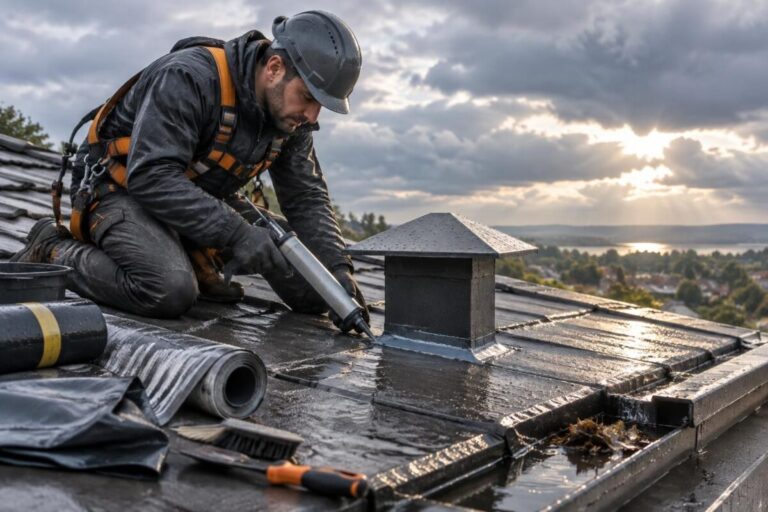
- Check the joints around roof windows, chimneys, and valleys: defects are often hidden in these areas.
- Check the project requirements in the technical documents and the applicable building regulations.
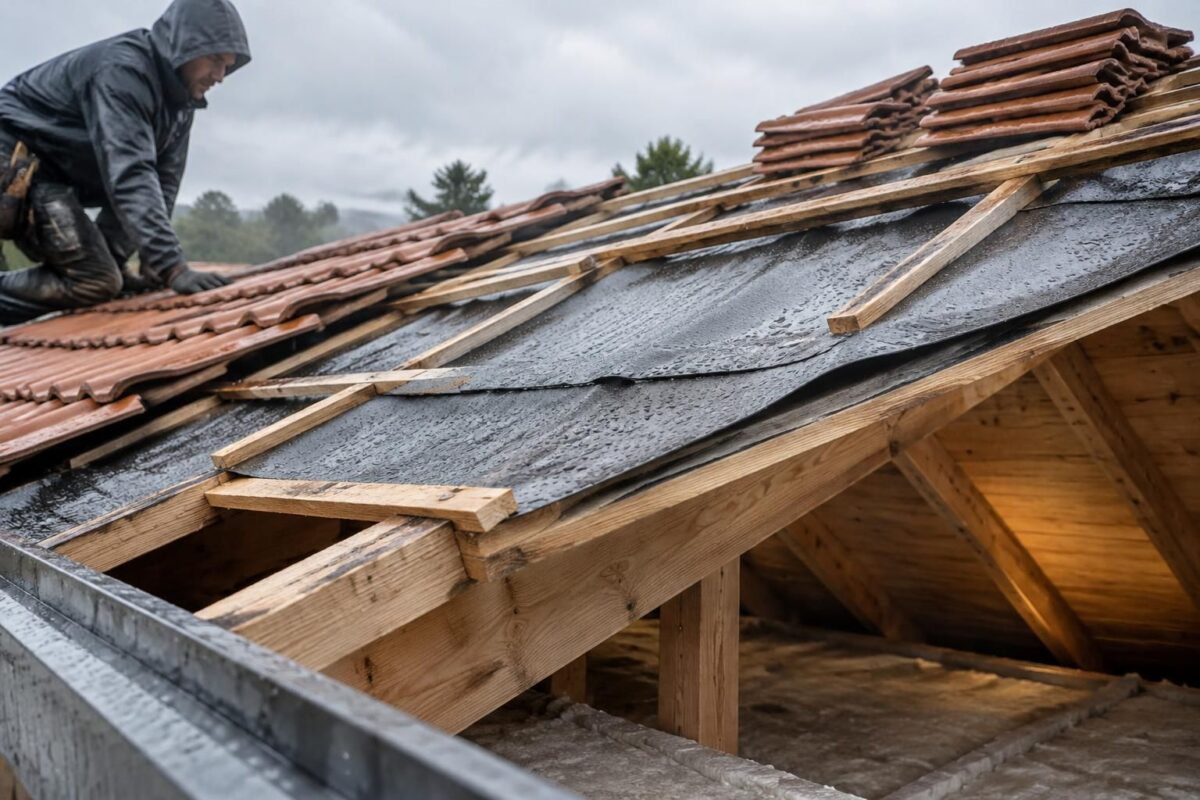
To understand the effects of poorly ventilated underlayment, see this article on ventilation and the stresses placed on the underlayment. If you’re renovating a roof covering, this article also explains how to install roofing underlayment during a renovation.
The pitfall: thinking the underlayment makes a good roof covering unnecessary
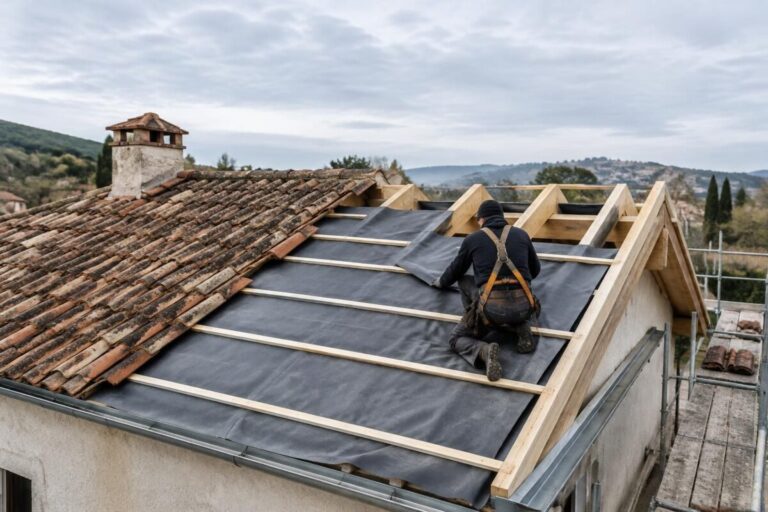
A layer of roofing underlayment beneath the tiles provides a second line of defense against powdery snow, dust, and some water penetration driven by the wind. It does not turn a defective roof covering into a watertight roof: the tiles, joints, and flashings must remain in good condition.
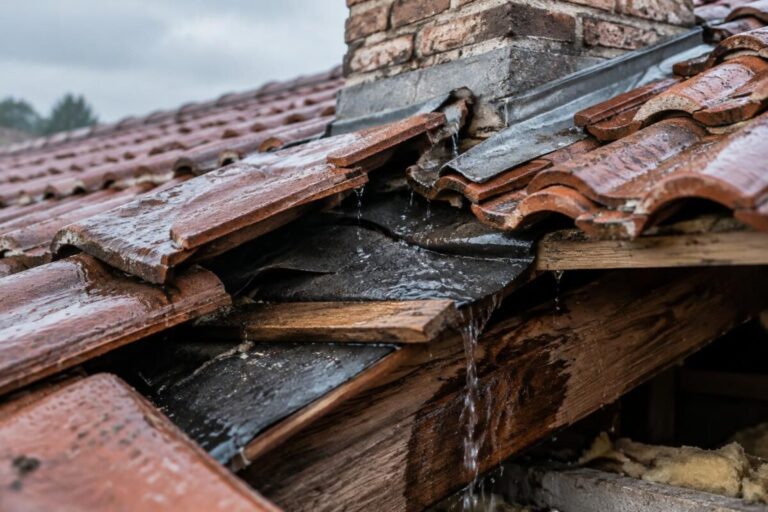
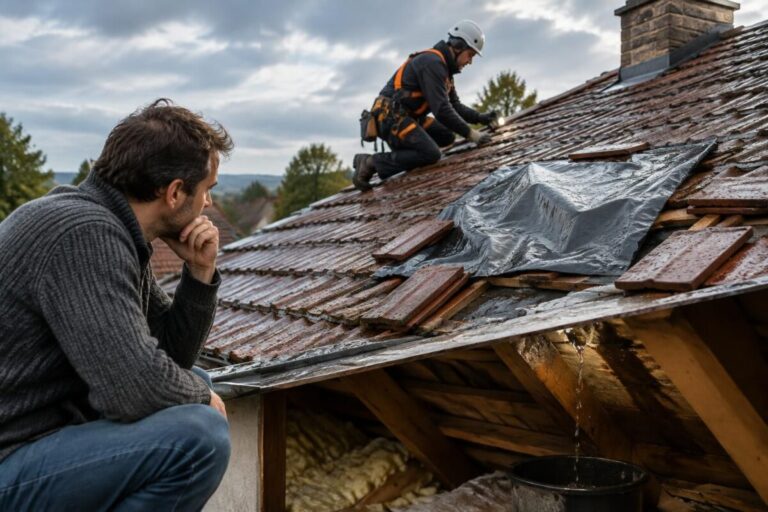
Imagine a house where a few tiles lift during a gust of wind. Properly installed underlayment can limit water getting into the attic and help prevent damage. But if water pools on underlayment with poorly sealed joints, it can reach the wood or insulation: protection against leaks depends as much on installation details as on the product chosen.
Roofing underlayment and thermal insulation: two different roles
Underlayment is generally not a thermal insulator. Instead, it helps preserve thermal insulation by limiting the insulation’s exposure to wind, dust, and minor water penetration. To achieve a high-performing roof, you must also address thermal bridges and ensure that roof ventilation is consistent with the system chosen.
Roofing underlayment: what changes from one project to another
Flexible underlayment, rigid panels, or no underlayment at all do not provide the same level of protection. The right choice depends in particular on the roof covering, exposure to wind, roof pitch, and whether it is possible to maintain an air gap that complies with the manufacturer’s specifications.
| Configuration | Main advantage | Point to watch |
|---|---|---|
| Vapor-permeable flexible underlayment | Secondary protection with suitable water vapor evacuation | Follow the installation direction, overlaps, and joint details |
| Rigid underlayment or panel | Sturdy support, depending on the system selected | Check the weight, connections, and ventilation design |
| Roof without underlayment | Possible solution in certain configurations | The roof covering becomes the only barrier against the elements |
Material durability also depends on moisture. Underlayment chosen without taking the roof construction into account can hinder the drying of its components, while suitable underlayment provides better long-term protection for the roof structure. Roof safety therefore depends not simply on the presence of underlayment, but on a coherent overall system.
Three-step process for making a decision
- Assess the roof. Note the pitch, type of roof covering, exposure to the elements, and any signs of damp in the attic. For a renovation, also check the condition of the battens and roof structure.
- Choose a compatible system. Compare the underlayment’s characteristics, its vapor permeability, and the ventilation requirements. Ask a roofer to confirm the solution if the roof construction is complex.
- Take care with installation and inspection. Follow the overlap requirements and carefully treat any critical junctions. Before closing everything up, check that water can drain away and that the intended airflow remains unobstructed.
Underlayment properly integrated into the system can strengthen roof protection; underlayment installed without an assessment is more likely to conceal a problem.
Frequently asked questions about roofing underlayment
Is roofing underlayment mandatory?
Not in every case. Requirements depend on the type of roof covering, the roof configuration, the applicable technical documents, and building regulations. Check the rules that apply to your project before work begins.
Does roofing underlayment make the roof watertight?
No. It provides additional protection against some water and dust penetration, but it does not replace a roof covering in good condition or properly constructed joints.
Is ventilation needed beneath underlayment?
Ventilation depends on the type of underlayment and the roof construction. Follow the specifications for the system installed: a poorly designed air gap can encourage moisture rather than remove it.
Can underlayment be installed during a renovation?
Yes, if the configuration allows it. Installation may require removing the roof covering and reworking certain components; a professional should check the condition of the roof structure, the joints, and the ventilation conditions.
Thanks for reading! I’d love to hear your thoughts in the comments. — Ivar