Roof Insulation: What Are the Risks of Not Having an Underlay Beneath the Tiles?
Hello, this is Ivar. Without a roof underlay beneath the tiles, the insulation and roof frame are more exposed to water ingress, wind, and moisture.
The risk depends on the condition of the roof covering, the pitch, and attic ventilation. An underlay does not replace tiles in good condition, but it provides valuable additional protection.
Roof insulation without an underlay beneath the tiles: risks to know about
What to do right away
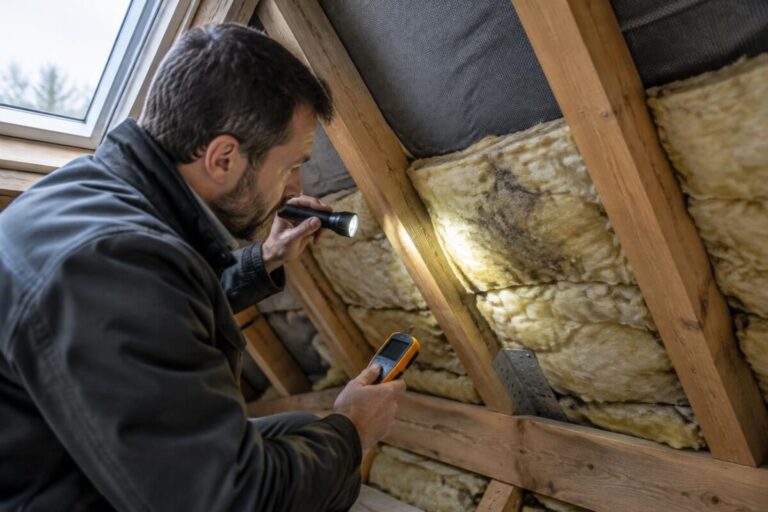
- Inspect the attic after heavy rain: look for water marks, rings, and dark stains.
- Check the visible tiles from outside without climbing onto the roof: look for tiles that have shifted or broken.
- Check for moisture and musty odors in the attic.
- Keep air inlets and outlets clear to limit condensation.
- Have the roof covering inspected by a professional if the insulation is wet or the roof frame shows suspicious marks.
To understand the role of this membrane, see these guides on the absence of an underlay and roof watertightness and on ventilation around the roof underlay. These two elements complement each other: one helps prevent accidental water ingress, while the other helps remove moisture.
What changes when a roof has no underlay
A roof underlay forms a secondary layer beneath the tiles. Depending on how it is installed and the connection details, it can help channel a small amount of water or powdery snow that has passed beneath the roof covering toward the eaves.
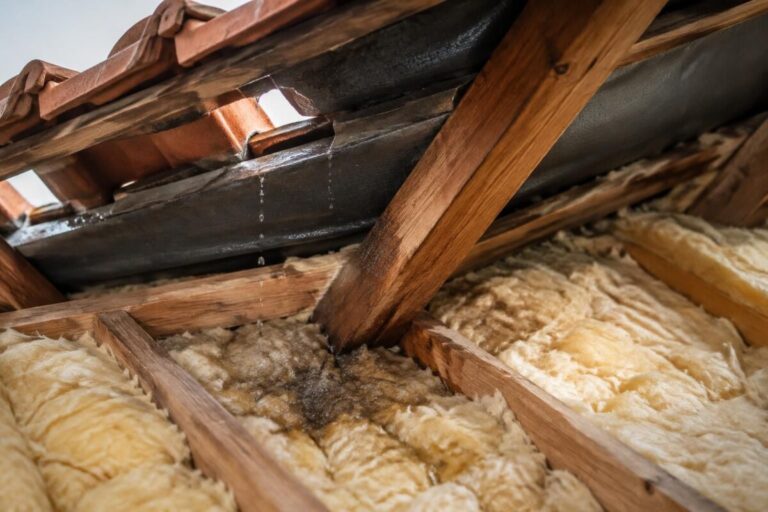
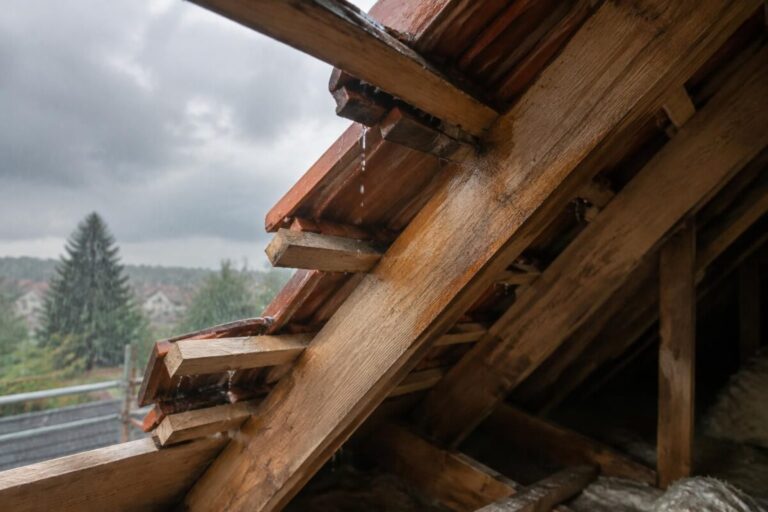
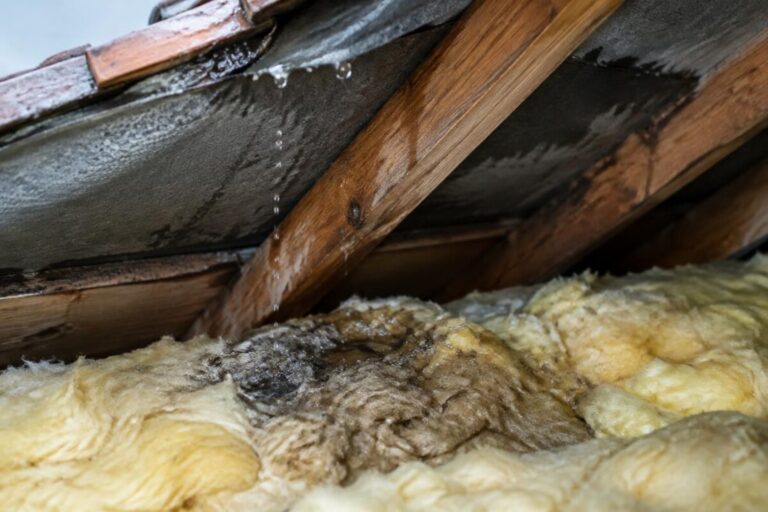
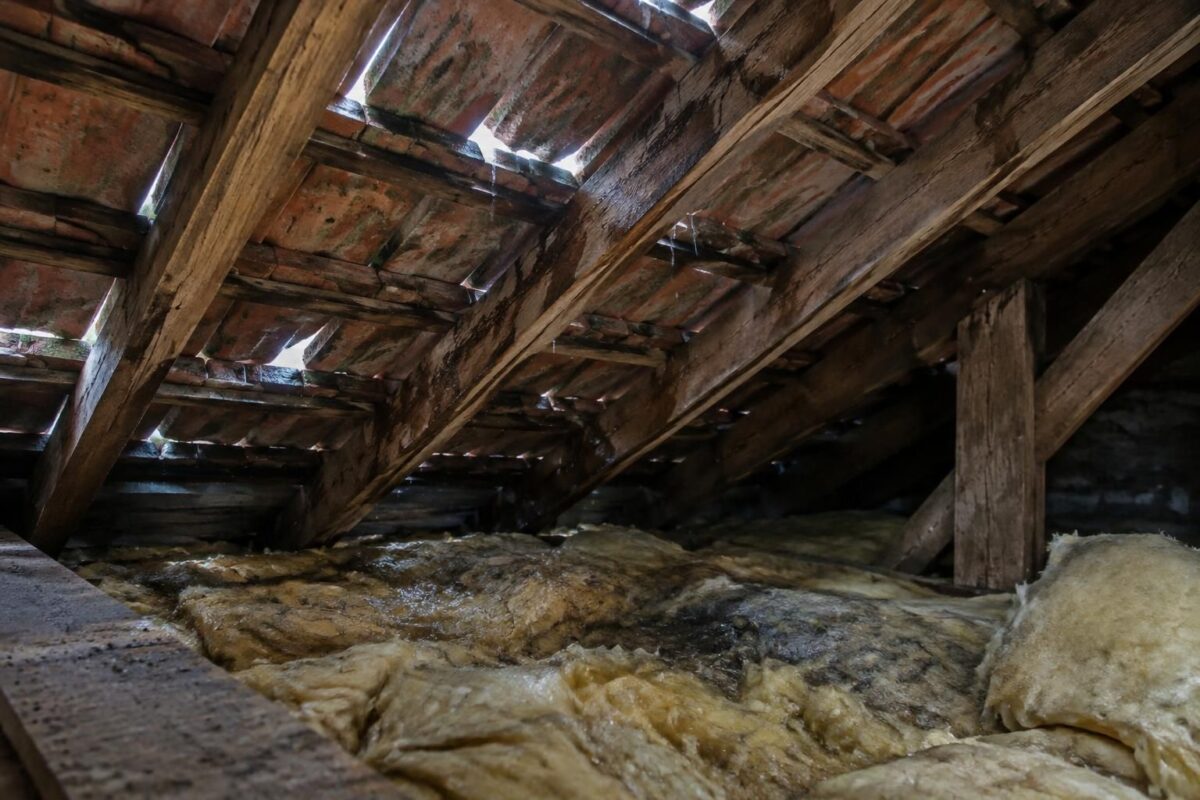
Without this barrier, a cracked or displaced tile can allow water to reach the battens, insulation, or roof frame directly. Water ingress does not always show up on the ceiling: it may first soak the insulation and then contribute to deterioration of the roof frame.
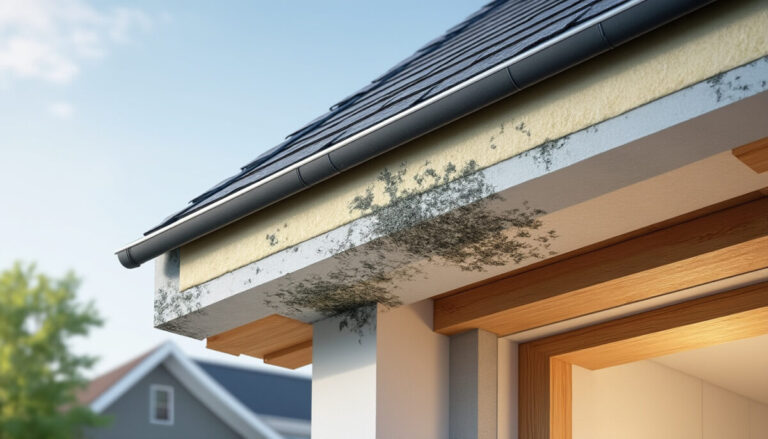
Wind can also drive rain or snow beneath the tiles. Moisture beneath the tiles can then become a persistent problem if the roof covering does not dry properly or the attic is poorly ventilated.
The risks are not the same in every home
| Situation | Main risk | Useful check |
|---|---|---|
| Old or displaced tiles | Water getting into the insulation and timber | Inspection after rain and check of the roof covering |
| Poorly ventilated attic | Condensation in the attic and persistent moisture | Check of air inlets and outlets |
| Discontinuous insulation | Heat loss and thermal bridges | Identify cold spots and installation defects |
| Well-maintained and ventilated roof | Reduced risk, but not zero in the event of an incident | Regular maintenance and leak checks |
A roof without an underlay is therefore not automatically defective. Its level of protection depends more heavily on the condition of the tiles, the quality of the connections, the pitch, and airflow.
Avoid confusing an underlay with watertightness
An underlay does not make a roof covering watertight on its own. The tiles remain the first line of protection against rain, while the underlay provides additional protection when it is suitable for the roof and correctly installed.
Conversely, adding an underlay without considering ventilation can shift the problem elsewhere. If indoor moisture is not removed, condensation can form beneath the roof covering and reduce the performance of the roof insulation.
Heat loss often results from several issues: compressed or discontinuous insulation, thermal bridges at junctions, air leaks, and moisture. An underlay alone will not fix these problems; thermal comfort depends on a well-integrated system.
A real-life example: wet insulation after a storm
After a spell of windy weather, a small stain appears beside a rafter in the attic. Without an underlay, water may have traveled from a displaced tile before reaching the insulation, even if the room ceiling remains dry.
Removing or covering the insulation immediately without finding the source of the water solves nothing. You need to locate the entry point, repair the roof covering, and then dry or replace the affected materials depending on their condition.
Check your roof in three steps
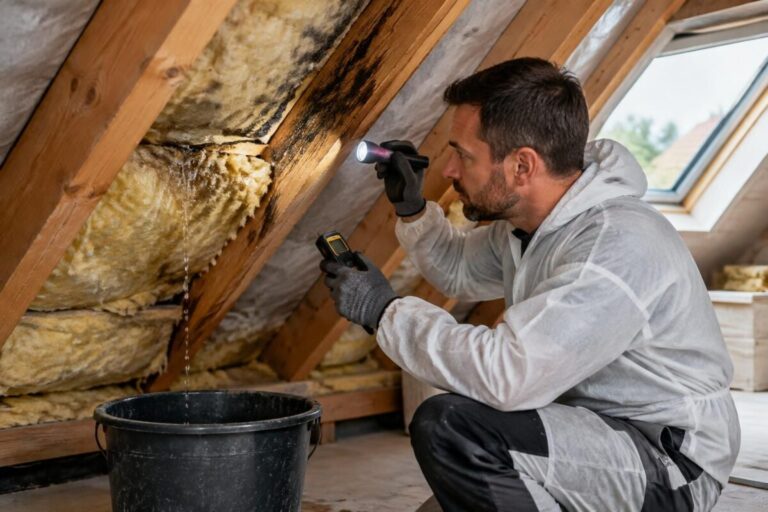
- Look for visible signs. In the attic, look for rings, darkened wood, drips, a musty smell, or sagging insulation. Note where and when the marks appear.
- Have the roof covering and ventilation checked. A roofer can check the tiles, connections, specific roof details, and airflow rather than focusing only on the condition of the insulation.
- Choose a suitable repair. Depending on the assessment, replacing some tiles or repairing a connection may be enough; a more extensive renovation may justify installing an underlay compatible with the roof.
Acting quickly prevents a small leak from turning a localized defect into a major insulation and roof-frame repair project. The priority is always to eliminate the cause before closing up the attic.
Frequently asked questions about roofs without an underlay beneath the tiles
Does a roof without an underlay beneath the tiles necessarily need replacing?
No. If the roof covering is in good condition, properly installed, and correctly ventilated, it can remain functional. An assessment can help identify the risks and determine whether adding an underlay during renovation work would be worthwhile.
How can you spot a leak in the attic?
Look for rings, drips, damp insulation, dark marks on the wood, or a persistent musty smell. The absence of a stain on the ceiling does not rule out a leak beneath the roof covering.
Can a roof underlay be installed during renovation?
Yes, but the method depends on the roof configuration and may require partially or completely removing the tiles. Ventilation must be checked, and an underlay suitable for the roof must be chosen.
Does a roof underlay prevent condensation?
Not on its own. Condensation depends in particular on ventilation, airtightness on the interior side, and the management of water vapor. The roof assembly as a whole must be properly designed.
Thanks for reading! If this topic resonates with you, share your experience in the comments. — Ivar