Roof ventilation: can a membrane block the airflow needed?
Hello, Ivar here. The answer is no: a suitable roof underlay does not block the airflow you need, provided the ventilation is designed to let air circulate in the right place.
The underlay’s role is to protect the roof from water ingress and dust, not to eliminate the airflow paths designed into the roof covering. It all depends on the type of underlay, how it is installed, and whether an air gap is needed for the system.
What to do right away
- Identify the type of underlay: vapour-permeable or non-vapour-permeable; this information is often shown on the product or in the work documents.
- Check the air gap beneath the roof covering if the system requires one.
- Check the air inlets and outlets: they must not be blocked by insulation or debris.
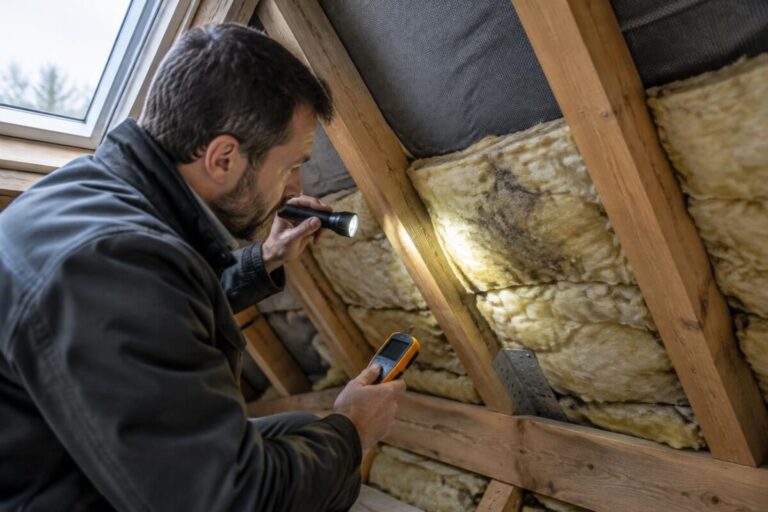
- Look for signs of damp, such as marks, a persistent smell or condensation beneath the roof.
- Avoid cutting the underlay without an assessment: an improvised opening can compromise watertightness.
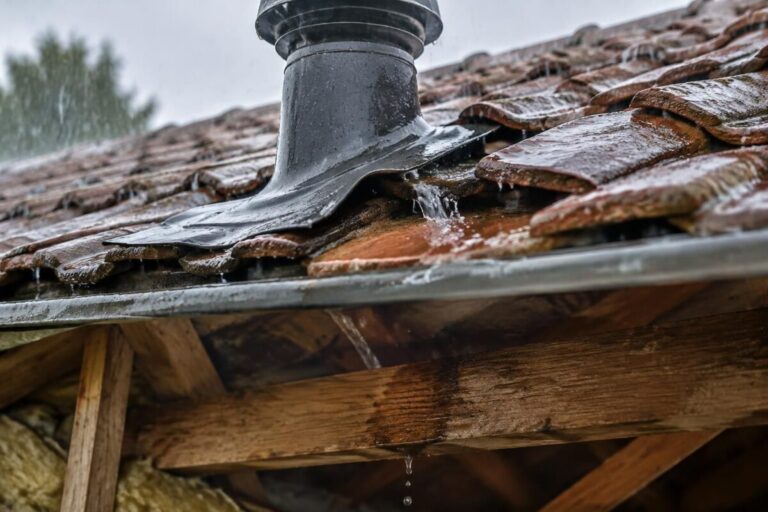
If you find water or signs of damp, compare what you see with these pointers on the link between ventilation and water ingress and the checks to carry out before sealing anything.
The pitfall: confusing the underlay with an air passage
The roof underlay provides continuous protection, but it does not replace the roof covering’s ventilation paths. Depending on the system, air circulates through an air gap between the underlay and the tiles, or according to a design specified by the manufacturer.
A vapour-permeable underlay can allow water vapour to diffuse outwards. That does not mean it provides all the airflow beneath the roof covering by itself. Roof ventilation also depends on a properly sized and unobstructed air inlet and air outlet in the roof.
What the underlay does—and does not—let through
A non-vapour-permeable underlay may require an air gap beneath it, in accordance with the manufacturer’s instructions and applicable standards. If the insulation touches the underlay when a gap is required, moisture may build up.
Conversely, adding an air gap at random does not necessarily improve the system. Loft ventilation and roof-covering ventilation are related but distinct issues: identify the airflow path before making any changes.
Choose the right airflow path
The table helps distinguish common configurations. Exact requirements depend on the product, roof pitch and type of roof covering: the instructions and industry guidelines remain the reference for the job.
| Configuration | What to check | Risk if it is unsuitable |
|---|---|---|
| Vapour-permeable underlay | Compatibility with the planned installation and roof-covering ventilation | Persistent damp if the other means of ventilation are insufficient |
| Non-vapour-permeable underlay | Whether the required air gap is present beneath the underlay | Condensation beneath the roof and deterioration of materials |
| Missing or discontinuous underlay | Condition of the roof covering and protection against water ingress | Water ingress and reduced energy performance |
Real-life example: insulation blocking the airflow path
In a converted loft, insulation may be installed too close to the eaves and block the air inlet. The roof may appear to have an underlay in good condition, but airflow is still interrupted: air can no longer rise to the intended outlet.
The result is not always a visible leak. Insufficient ventilation can encourage damp and reduce the durability of the roof structure, while poorly controlled airtightness can allow warm indoor air to reach cold areas.
Check roof ventilation in 3 steps
- Identify the system. Check the work documents or the markings on the underlay. Find out whether an air gap is required and where it should be.
- Trace the airflow path. From the inlet to the outlet, check that grilles, eaves and vents are not blocked. Do not climb onto the roof without suitable equipment.
- Have any unusual signs checked. If you notice mould, damp timber or condensation, ask a roofer or building-envelope specialist to assess the situation before moving the insulation.
This check helps you avoid mistaking an airflow problem for a leak. It also protects the insulation and roof structure without creating an opening that could weaken the underlay or roof covering.
Useful questions about roof underlay and airflow
Does a roof underlay stop air from circulating?
Not necessarily. It protects the roof, while airflow depends on the system’s design, any required air gap, and the ventilation inlets and outlets.
Does a vapour-permeable underlay mean the roof covering does not need ventilation?
No. Vapour-permeable means the underlay allows water vapour to diffuse through it, but this does not automatically replace the ventilation specified beneath the roof covering.
What signs can indicate insufficient ventilation?
Condensation marks, a persistent smell, mould or damp timber may be warning signs. These signs should be checked, as they can also have other causes.
Can you cut the underlay to create an air inlet?
No, not without assessing the system. An improvised cut can compromise watertightness and encourage water ingress; have the ventilation path checked first.
I hope you’ve found these tips helpful. See you soon! — Ivar