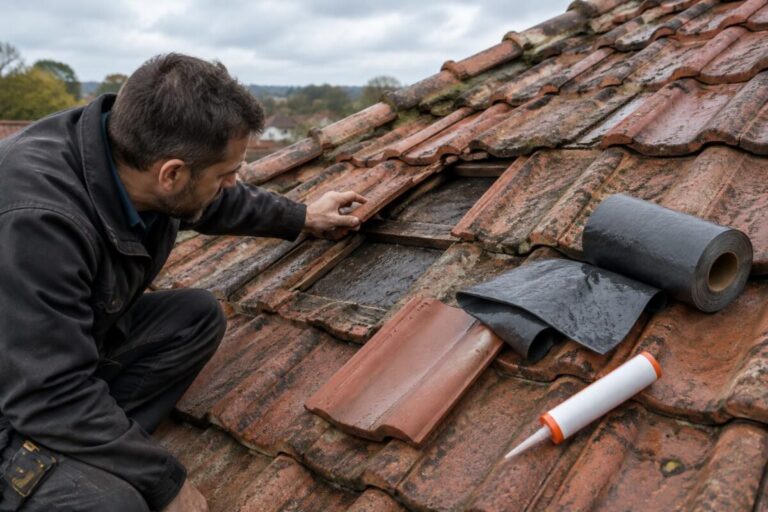
Roofing underlay: when does it become essential?
Hello, Ivar here.
A roofing underlay membrane becomes essential when the roof covering alone is not enough to protect the insulation and attic from water ingress, wind-driven snow or condensation over the long term.
Its usefulness depends on the type of roof, its exposure to weather risks and the requirements that apply to the project. Properly selected and installed, this membrane provides a second line of defence without replacing the roof covering or the need for suitable ventilation.
Good practices for roofing underlay membranes
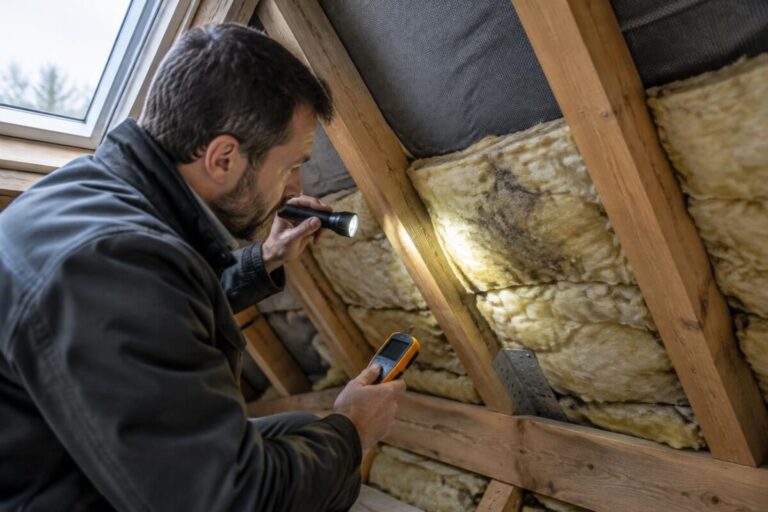
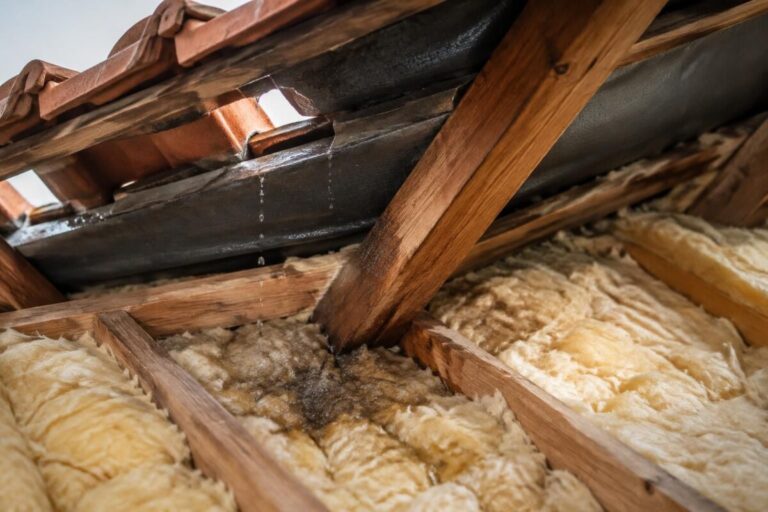
- Look for signs of moisture: stains, a musty smell, dark timber or damp insulation.
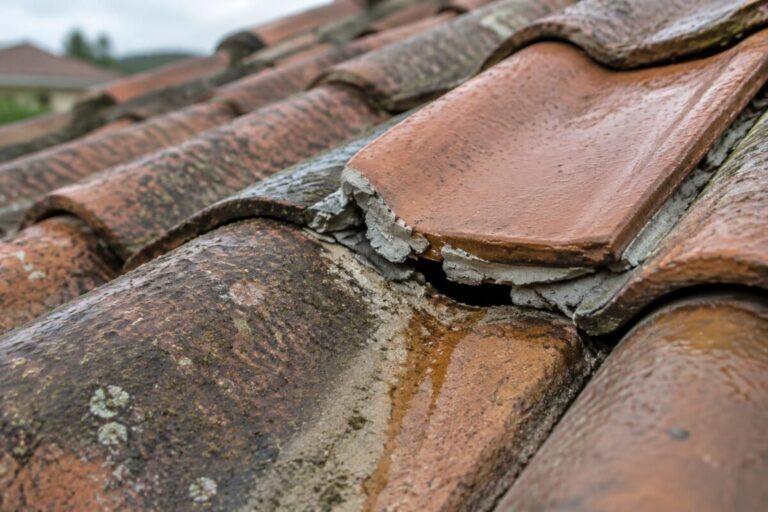
- Check the roof covering: displaced tiles, cracked slates and weak junctions can let water in.
- Identify the type of membrane: an HPV membrane allows water vapour to diffuse, unlike some non-breathable models.
- Check air inlets and outlets: roof ventilation must be compatible with the membrane and insulation.
- Get an assessment before work begins: the roof pitch, covering material and installation requirements all matter.
To learn more about when a membrane is required, see the situations in which a roofing underlay membrane becomes mandatory and the possible consequences of renovating a roof without this protection, explained in this article on missing underlay membranes and the risks to roof watertightness.
On an exposed roof, the membrane provides valuable protection
If a house is at high altitude, in a windy area or subject to frequent rain, a membrane can limit the entry of wind-driven snow, dust and rainwater blown in by the wind. It also helps direct any water that occasionally gets past the roof covering down to the eaves.
If the roof is sheltered and the covering is in good condition, an underlay membrane is not automatically essential. However, when renovating a roof, adding one can be a good idea if the covering is being removed and the roof structure is accessible: this is often the easiest time to strengthen protection against moisture.
Note: a membrane cannot repair a defective roof covering or make a roof watertight on its own. Roof watertightness depends first and foremost on the covering, junctions and water drainage; the membrane provides additional protection.
Roofing underlay membranes and attic insulation: beware of water vapour
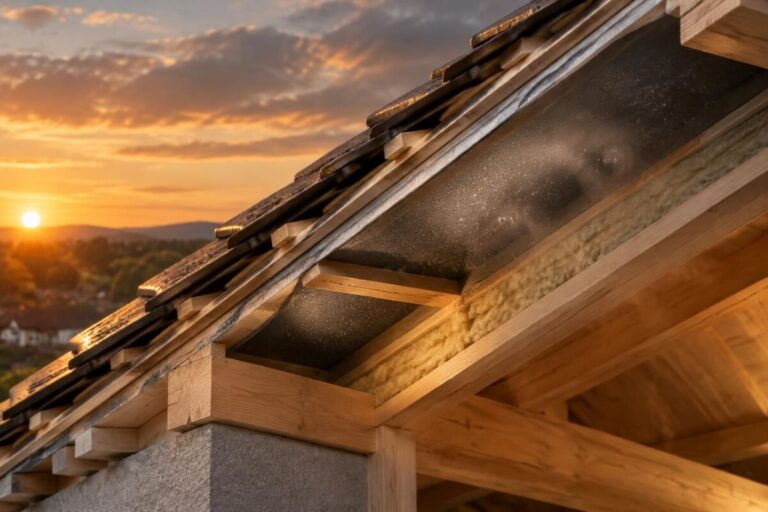
When insulating an attic, the arrangement of the layers is essential. A vapour-permeable membrane may be suitable in some configurations, while a non-breathable membrane generally requires a ventilated air gap between it and the insulation.
If this airflow is blocked, indoor water vapour can condense in the roof structure or insulation. The result: reduced thermal performance and materials that deteriorate faster. The right choice therefore depends on the entire roof assembly, not just the roll of membrane.
When is a roofing underlay membrane really essential?
Building regulations and installation requirements vary according to the type of roof covering, roof pitch, geographical area and applicable technical documents. Some materials or configurations require specific measures: the roofer must check these before installation.
In practice, a membrane is particularly useful when the roof is highly exposed, the covering has joints that may let dust or snow through, or the project includes insulating the roof slopes. It also provides useful protection during installation, before the final roof covering is put in place.
| Situation | Benefits of the membrane | What to check |
|---|---|---|
| Roof exposed to wind or snow | Reduces accidental penetration beneath the roof covering | Drainage of water to the eaves |
| Insulation under the roof slopes | Protects insulation from dust and external moisture | Compatibility with ventilation and water vapour |
| Roof covering with joints or discontinuous elements | Provides additional protection | Minimum roof pitch and material requirements |
| Roof in good condition, sheltered, with no insulation work planned | May be a lower priority | Actual condition of the roof covering and local requirements |
The pitfall to avoid: installing a membrane without planning for ventilation
A poorly chosen or incorrectly connected membrane can trap moisture instead of protecting the roof structure. Overlaps, penetrations and junctions around chimneys or roof windows must be carefully installed.
For example, when renovating a house exposed to strong gusts, a roofer may find that the roof structure is sound but that the insulation already shows signs of wind-driven snow entering. Installing a suitable membrane and sealing the junctions reduces this risk; checking the ventilation prevents the improvement from becoming a condensation trap.
Installing or replacing a roofing underlay membrane in 3 steps
- Assess the roof: note the pitch, type of roof covering, exposure, condition of the roof structure and applicable installation requirements.
- Choose the right membrane: compare its vapour permeability and durability, and check its compatibility with the insulation and ventilation system.
- Install it carefully: observe the requirements for overlaps and junctions, then check that water can drain away and air can flow freely.
A roofing underlay membrane is essential when required by the roof covering system; in other cases, it provides durable protection that is particularly useful against water ingress and bad weather. The safest decision is based on an assessment of the entire roof, not on choosing a membrane in isolation.
Frequently asked questions about roofing underlay membranes
Is a roofing underlay membrane mandatory for every house?
No. Whether it is mandatory depends in particular on the type of roof covering, the pitch, the exposure and the applicable requirements. A professional should check the rules that apply to the project.
Can a membrane be installed directly against the insulation?
It depends on the model. Some HPV membranes are designed for this configuration, while others require a ventilated air gap. Follow the manufacturer’s instructions and check the entire roof assembly.
Does a roofing underlay membrane prevent all water ingress?
No. It provides secondary protection, but does not replace a roof covering in good condition or properly installed junctions.
Should the membrane be replaced when renovating a roof?
Not necessarily. If there is already a membrane, its condition and compatibility with the work should be assessed. However, if the roof covering is being removed, it is a convenient opportunity to replace it or install a suitable one.
Thanks for reading! I’d be delighted to hear your thoughts in the comments. — Ivar