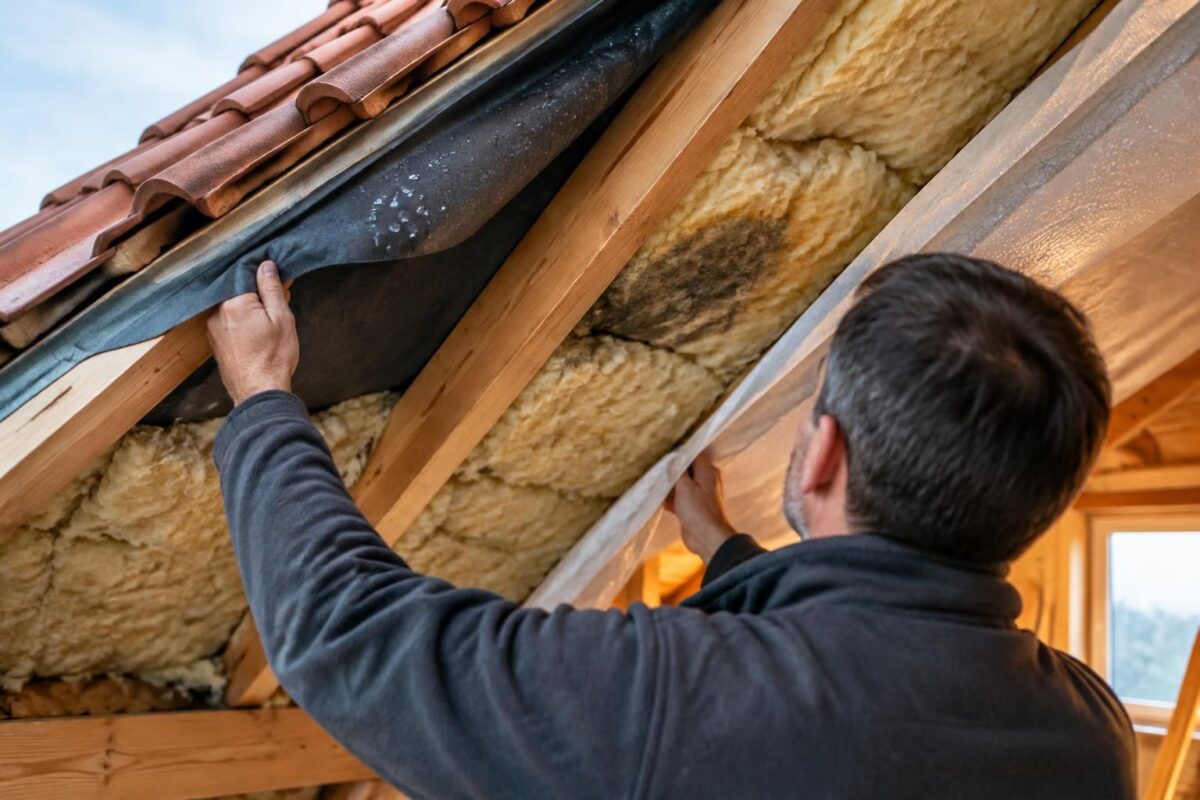
Thermal insulation: membrane or vapor barrier, where are you going wrong?
Hello, Ivar here. The roofing underlay protects the insulation on the outside, while the vapor barrier limits the passage of water vapor on the inside. Confusing the two can trap moisture in the building envelope.
These two layers have different roles and go in different places. To achieve effective thermal insulation, you also need to ensure ventilation and airtightness.
What to do right away
- Identify the layers: the underlay is beneath the roof covering, while the vapor barrier goes on the warm side of the insulation.
- Check the manufacturer’s instructions: the vapor permeance and Sd value must be suitable for your roof assembly.
- Ensure continuity: carefully seal the joints, overlaps, and penetrations.
- Maintain ventilation: do not block the air gaps specified in the roofing system.
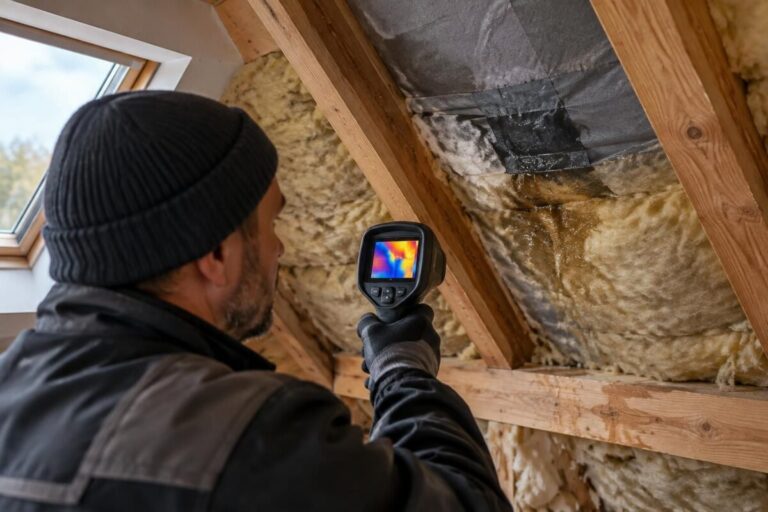
- Inspect before closing it up: look for water marks, damp materials, and any problems with the insulation installation.
To identify the most common misunderstandings, see these tips on mistakes caused by misunderstanding a roofing underlay and checking vapor barrier continuity.
Vapor-barrier membrane: two functions, two locations
The term “vapor-barrier membrane” can be confusing. A roofing underlay protects against wind-driven rain and wind, among other things, while a vapor barrier or vapor retarder controls the movement of water vapor from indoors.
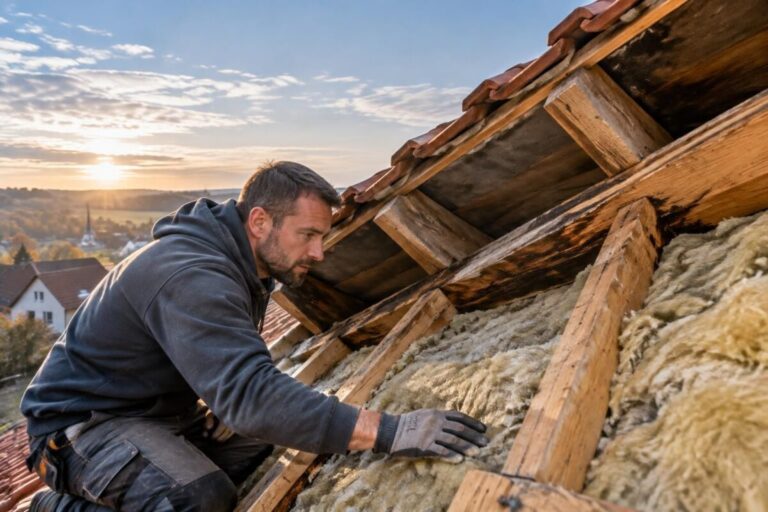
In a conventional roof, the underlay is placed beneath the roof covering, and the vapor-control layer goes on the inside of the insulation. But the exact assembly matters: some systems require a humidity-variable membrane or a ventilated air gap. The system instructions take precedence over a rule applied without checking the context.
What each membrane protects
| Component | Typical location | Main role |
|---|---|---|
| Roofing underlay | Beneath the roof covering, on the outside | Protects against accidental water ingress and wind, depending on the product |
| Vapor barrier | On the inside, before or beneath the insulation | Strongly limits the passage of water vapor |
| Vapor retarder | On the inside, depending on the design | Controls vapor diffusion, with permeance varying according to the model |
One membrane does not automatically replace the other. A highly vapor-permeable underlay can promote drying to the outside, but it does not eliminate the need to control moist air on the inside.
A common mistake: thinking airtightness is optional
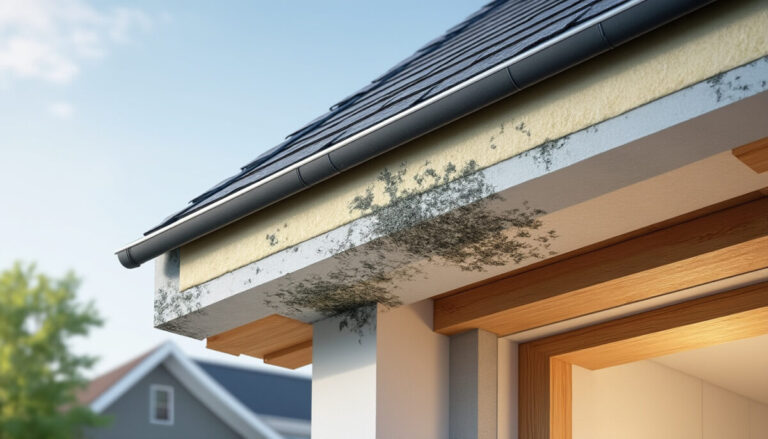
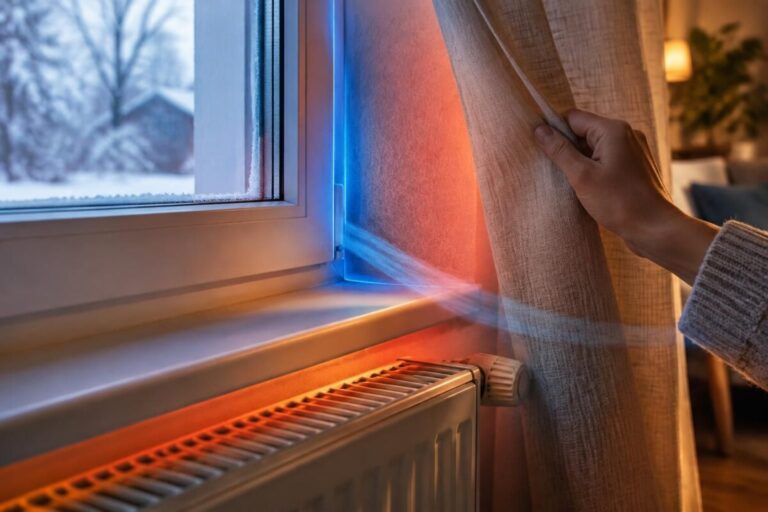
Vapor diffuses through materials, but warm, humid air can also travel through gaps around outlets, spotlights, or ducts. This leakage carries moisture to cold areas, where condensation can form.
For example, in Nora’s attic, the vapor barrier seemed to be properly installed across the middle of the roof slopes. However, an open joint around a duct allowed air to pass through; a few seasons later, part of the insulation was damp. The membrane must be continuous and connected to the walls and all penetrations.
Three steps to avoid insulation mistakes
- Identify the assembly. Locate the roof covering, existing underlay, insulation, and membranes. Check the technical datasheets and the condition of the wood before adding a layer.
- Choose a compatible solution. Vapor diffusion resistance, ventilation, and drying potential must work together. If the roof is old or already damp, have the assembly assessed before closing it up.
- Install it carefully and check your work. Fit the insulation without compressing it, seal the joints with suitable accessories, and check the penetrations. Inspecting the work before installing the finish layer gives you time to correct any problems.
A poorly chosen or discontinuous membrane can slow drying and encourage moisture in the building envelope. The right approach is to treat the roof as a complete system: the roof covering, ventilation, insulation, and membranes must all work together.
How can you tell if the membrane is suitable?
Don’t rely solely on its appearance or product name. Check its Sd value, its intended location, and the instructions for roof ventilation.
If the insulation is already damp, the wood is stained, or a persistent odor develops, don’t install an additional membrane without first investigating. You first need to find out where the water is coming from and how the building envelope can dry.
Does the roofing underlay replace the vapor barrier?
No. The underlay generally protects the insulation from the outside, while the vapor barrier or vapor retarder controls vapor diffusion on the inside.
Does the vapor barrier always have to be installed on the inside?
This is common in a conventional insulated roof, but the position depends on the complete assembly and the climate. Follow the specifications for the system you have chosen.
What is the difference between a vapor barrier and a vapor retarder?
A vapor barrier strongly limits the passage of vapor. A vapor retarder controls it with generally lower resistance to diffusion, which may vary depending on humidity.
Is ventilation enough to prevent condensation?
No. Ventilation contributes to the roof’s performance, but it cannot compensate for a poorly sealed membrane or a leak of humid air through the building envelope.
Thanks for reading! If this topic resonates with you, share your experience in the comments. — Ivar