7 Roofing Material Mistakes After a Roof Tile Leak
Hi, it’s Ivar. After a leak in a tiled roof, replace broken tiles with compatible materials, restore the watertight seal, and check the underlay before closing it up. A quick repair using the wrong product can redirect water instead of stopping it. In my article, I review seven common mistakes to help protect your roof, its insulation, and your home for the long term.
Roof tile leak: 7 material mistakes to avoid
Quick checklist:
- Look for signs of water infiltration in the attic, without climbing onto a wet roof.
- Protect the furniture and place a container under the leak.
- Photograph the damage before moving or replacing anything.
- Check that the tiles, underlay, and waterproofing products are compatible.
- Request a professional leak assessment if the source remains unclear.
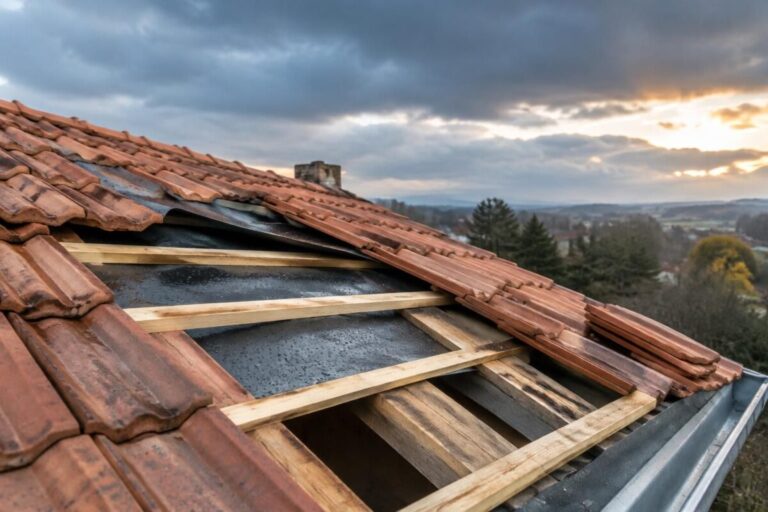
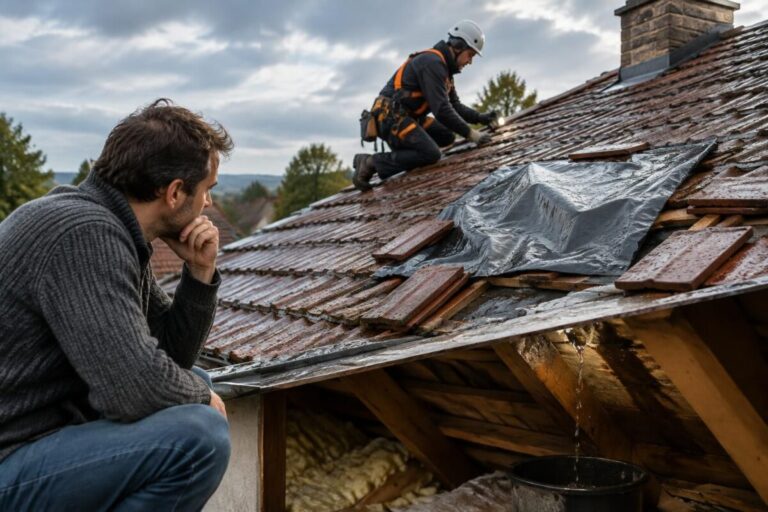
If a few tiles are broken and the rest of the roof covering is in good condition, replacing them with identical or compatible tiles is often enough. If water has reached the insulation, roof structure, or several rows of tiles, have the whole area inspected before making any roof repairs.
Simple rule: water must drain toward the outside, while the roof must be able to dry out and breathe.
Mistake 1: choosing a tile that only looks like the old one
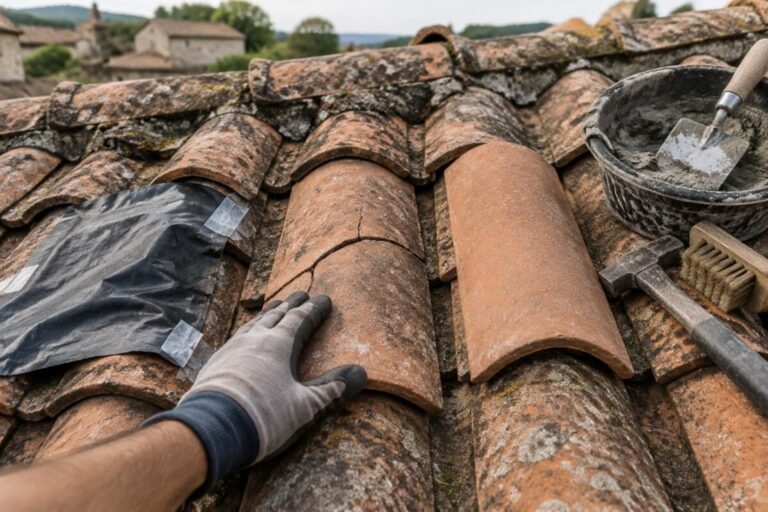
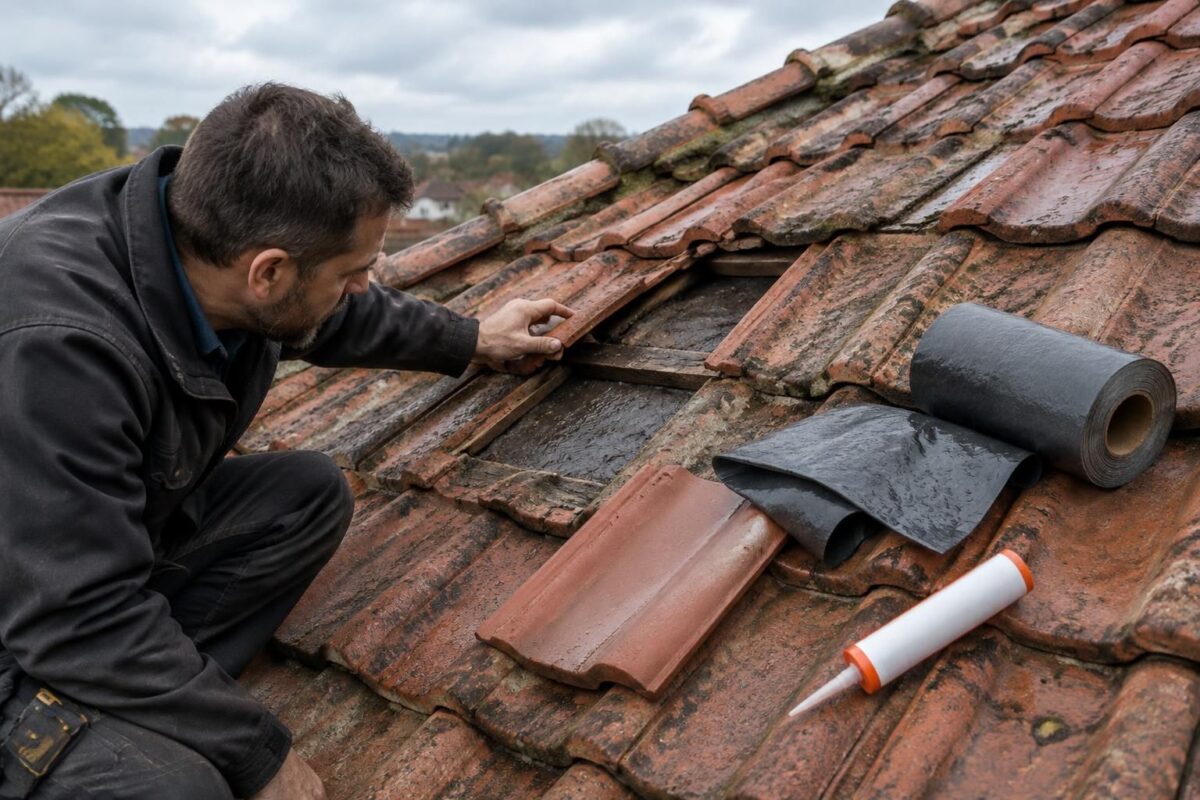
A tile with a similar color may have a different profile, thickness, or interlocking system. It may not fit properly and could create a new path for water. Compare the model, roof pitch, and installation method, or ask a roofer to choose the right one.
Mistake 2: spreading all-purpose sealant over the entire area
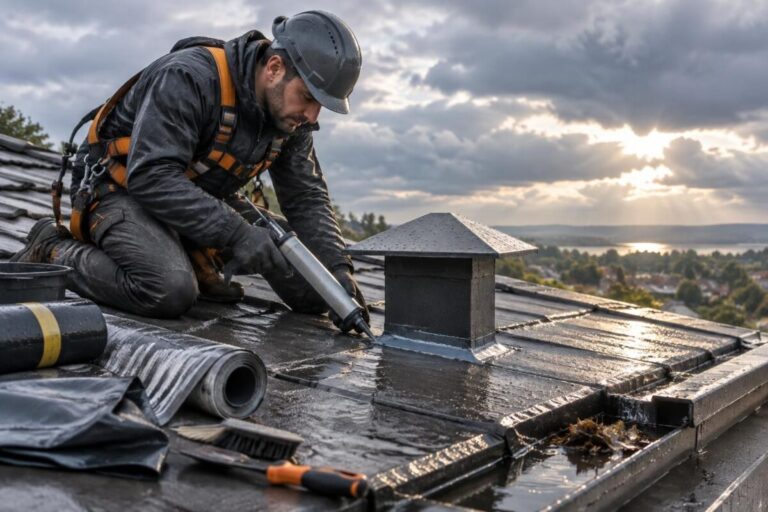
Sealant not designed for roofing can come loose due to frost, UV exposure, or roof movement. It may also prevent some materials from drying properly. Choose a product compatible with the tile and use it only for a small repair—not as a substitute for a broken tile.
Mistake 3: installing a waterproof covering that blocks ventilation
An unsuitable membrane or coating can trap moisture under the tiles. The resulting condensation can damage the insulation and encourage mold growth. Before replacing a layer, check that the ventilation is working and inspect the roof underlay. These tips on insulation after a leak can help you avoid this pitfall.
Mistake 4: installing roof underlay without checking its compatibility
Not all underlays are installed in the same way: some must allow water vapor to pass through, while others require a ventilated air gap. Installation that does not follow the manufacturer’s instructions can trap moisture. Have the setup checked before adding underlay or replacing the insulation.
Mistake 5: replacing a tile without addressing where the water is getting in
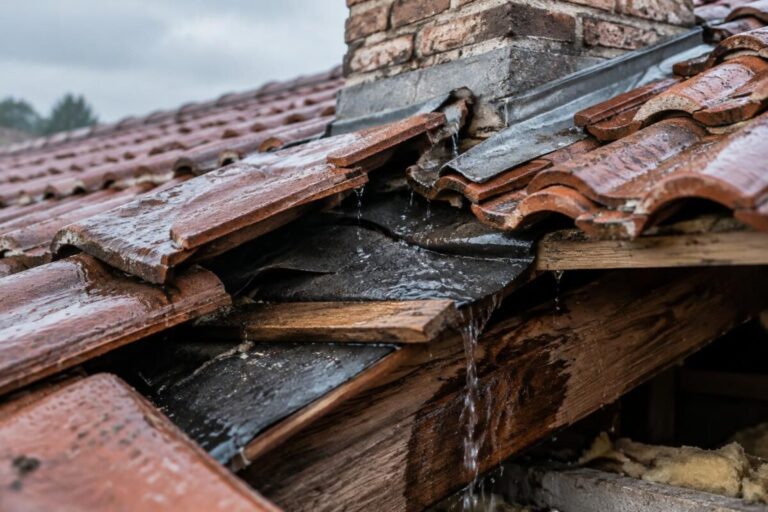
The leak may come from flashing, the ridge, a valley, or a clogged gutter rather than the tile visible from inside. Water can travel along the roof underlay before appearing far from its source. Check the joints and drainage during the leak assessment, and don’t rely on the location of the stain alone.
A common mistake is to replace the tile above a water stain, only to discover that the water was getting in through a nearby joint. To compare possible causes, also see the material defects that cause recurring leaks.
Mistake 6: applying a water repellent without checking the material
A water-repellent treatment is not a universal fix. It may be suitable for some porous tiles that are still in good condition, but it will not fix a significant crack or a failed waterproof seal. Check the manufacturer’s recommendations and choose a product that does not prevent the roof covering from breathing.
Mistake 7: closing up the roof while the insulation is still wet
Covering wet insulation too soon can trap water and reduce its thermal performance. You need to assess how far the moisture has spread, remove damaged materials, and let sound areas dry before closing things up. To understand the risk, also read this section on minor leaks and insulation.
Roof repair: a simple 3-step method
- Protect: move electrical appliances away from the damp area, collect the water, and cover your belongings. Don’t climb onto the roof in the rain, in high winds, or without suitable safety equipment.
- Assess: inspect the attic from a safe location, note any signs of damage, and have the tiles, flashing, gutters, insulation, and roof underlay checked. A professional can use a thermal camera or tracer gas if the leak is difficult to locate.
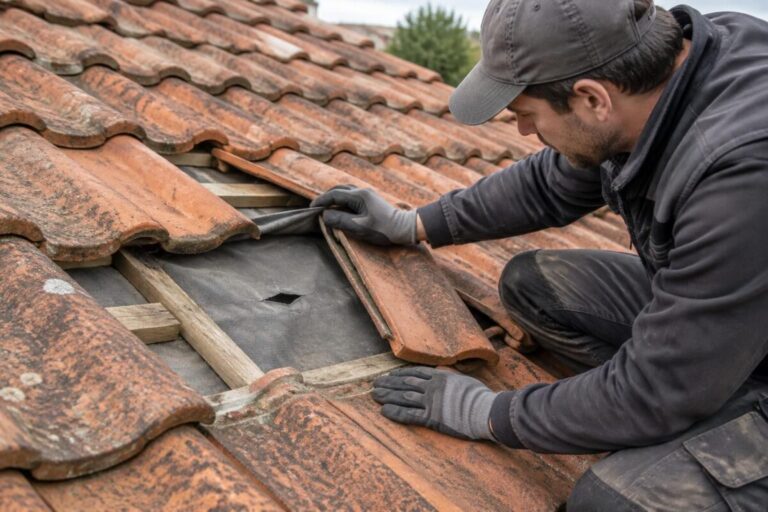
- Repair and check: replace damaged parts with compatible materials, restore the watertight seal according to installation requirements, then check the drainage after the work is done, when conditions are safe.
A temporary repair is no substitute for a lasting fix. For emergency measures and their limitations, you can consult these roof waterproofing solutions to stop water.
Choosing materials based on the problem you find
| Problem found | Material or check to prioritize | Avoid |
|---|---|---|
| Broken or displaced tile | Tile with the same profile and compatible with the roof covering | A tile that merely looks similar and does not interlock properly |
| Leak around a chimney or roof window | Inspection and repair of the flashing or appropriate joint | Covering the joint with all-purpose sealant |
| Wet insulation | Assessment, drying, or replacement depending on its condition | Closing up the roof immediately |
| Porous but still sound tile | Treatment suitable for the material, after inspection | Film-forming water repellent without technical advice |
The cost depends on access, the type of roof covering, and the extent of the damage. Replacing a few tiles generally costs far less than repairing the underlay, insulation, or roof structure; ask for a detailed estimate before the work begins.
Frequently asked questions after a roof tile leak
Can you tarp a leaking roof yourself?
Only if the weather conditions are safe and you have the necessary equipment and experience. A fall is a major risk: if in doubt, have a roofer put up the protective covering.
Should insulation be replaced after water infiltration?
Not necessarily. You need to assess its moisture level, condition, and whether it can dry out; insulation that is deformed, damaged, or remains wet for a long time often needs to be replaced.
Will insurance cover roof repairs?
Coverage depends on your policy and the cause of the damage. Interior damage may be covered, while repairs to the roof covering itself may still be your responsibility; photograph the damage and contact your insurer promptly.
When should you call a roofer?
Call a professional if several tiles are affected, the leak persists, water has reached the insulation, or the source is difficult to find. Also ask for proof of insurance appropriate for the work.
Thanks for reading this far; Ivar