Roofing materials: without an underlay, what are you really protecting?
Hello, this is Ivar. Without a roofing underlay, the roofing materials are what mainly keep out the rain, while the attic remains more exposed to water ingress and wind. An underlay adds a second line of defense, but it does not replace either a properly installed roof covering or adequate ventilation. Here’s what this absence means in practice and how to protect your roof for the long term.
What to do right away
- Look for signs of water on the roof structure, insulation and ceilings, especially after heavy rain.
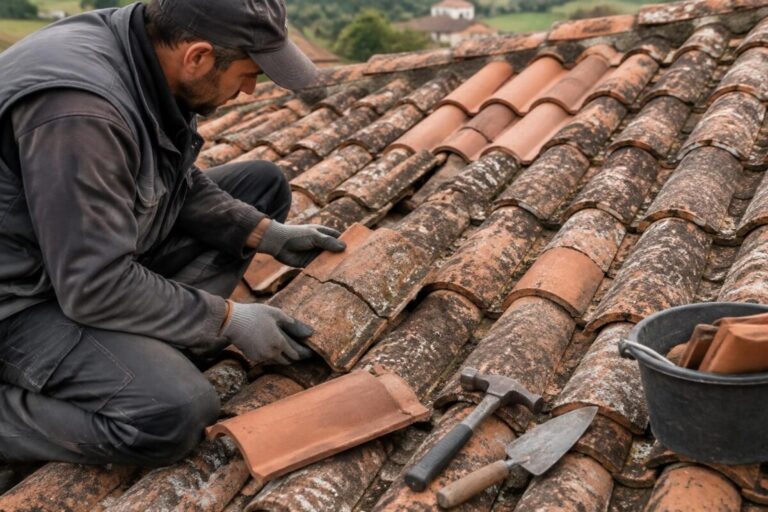
- Check the tiles or slates from the ground and, if necessary, have a roofer inspect how they are secured.
- Inspect the attic for condensation, mold, dust or damp insulation.
- Keep air inlets and outlets clear to reduce the risk of moisture-related problems.
- Confirm which requirements apply to your roof covering and roof pitch before starting any renovation.
To better understand the consequences of a roof without an underlay, also read this article on ventilation and roof insulation: the two topics are related, but they need to be addressed differently.
Without a roofing underlay, what protection is still in place?
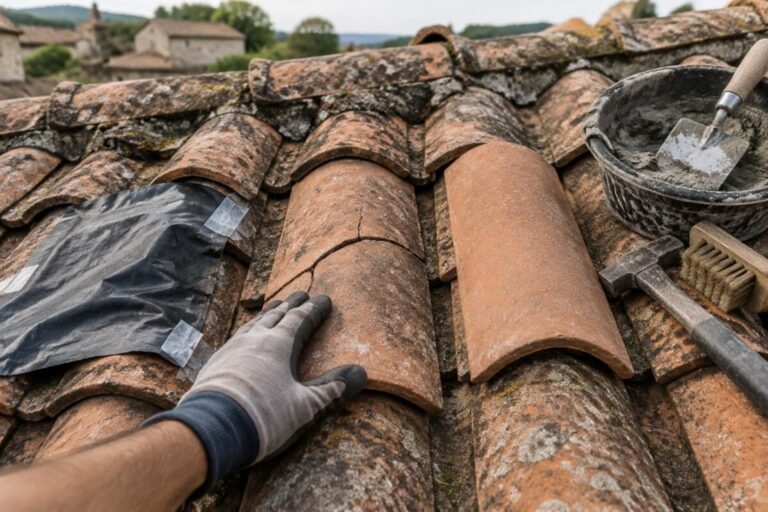
The roof covering remains the first line of defense against rain. Properly installed tiles or slates channel water into the gutters, but the joints and overlaps do not form a perfectly watertight membrane.
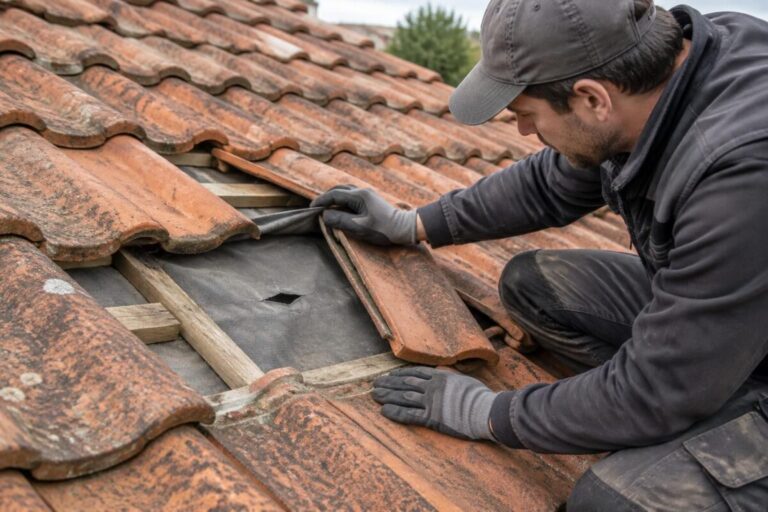
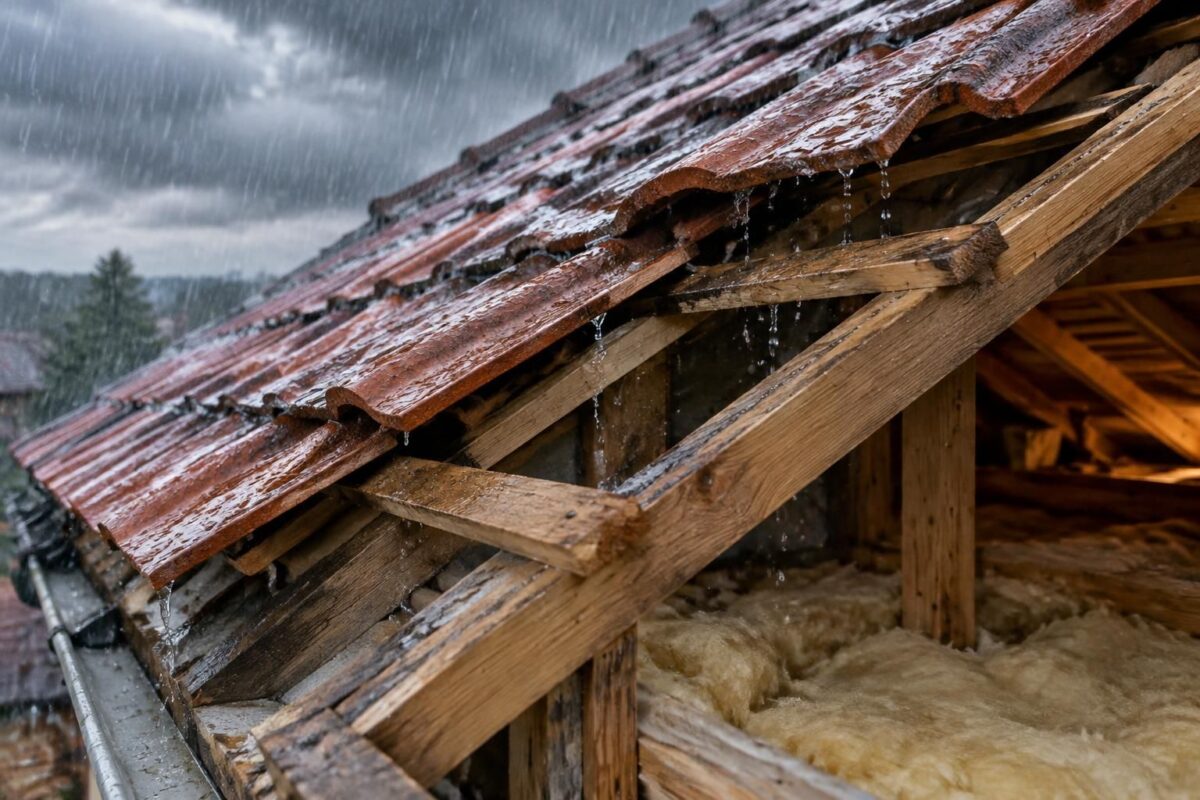
If a tile shifts, in strong winds or when there is powdery snow, water can get past the roof covering. Without an underlay, it reaches the battens, roof structure or insulation more directly. Protection against water ingress then depends more heavily on the condition of the roof and the quality of its installation.
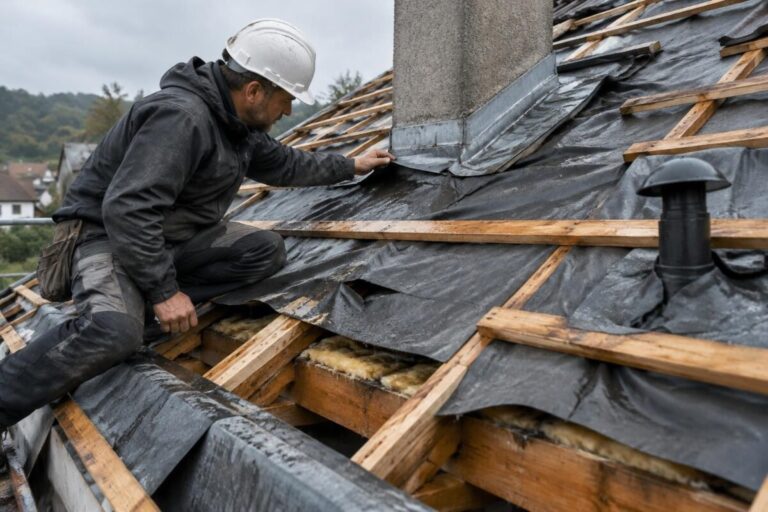
An underlay is a second barrier, not a backup roof
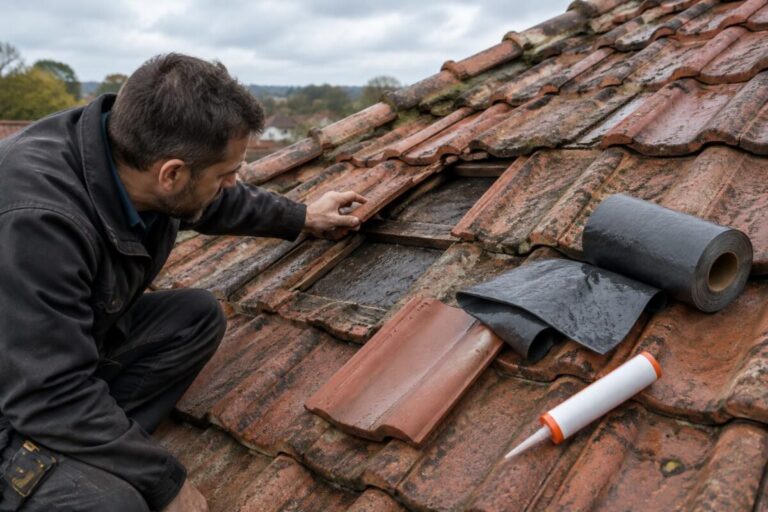
A roofing underlay collects small amounts of water that get beneath the roofing elements and directs them toward the eaves. Depending on the product and installation, it also helps protect against wind and limits the entry of dust or powdery snow.
On its own, it cannot make a defective roof covering watertight. For reliable roof waterproofing, the roof covering, junctions, flashings and water drainage all need to work together. Requirements vary according to the type of roof covering, the pitch and local regulations.
A common risk: confusing moisture with a simple leak
A stain on the ceiling may indicate a leak, but moisture in the attic is not always caused by rain. Poor ventilation can cause water vapor to condense on cold surfaces, then dampen the insulation and wood.
Imagine a house where a tile shifted after a gust of wind. Water appears near the roof slope, but an inspection also reveals a blocked air inlet: repairing the tile without restoring airflow would leave the moisture-related risks unresolved.
Attic insulation should therefore not block the ventilation provided for in the roof design. Roofing materials, insulation and any underlays should be selected as a complete system to preserve the roof’s durability.
| Element | Main purpose | What to watch for |
|---|---|---|
| Tile or slate | Drain water and protect the house | Check for broken or shifted pieces and inspect the junctions |
| Roofing underlay | Second barrier beneath the roof covering | Check that it is compatible with the roof and its ventilation |
| Ventilation | Limit condensation in the attic | Do not block air inlets and outlets |
| Insulation | Reduce heat loss | Avoid damp or poorly installed insulation |
Renovating a roof without an underlay: decide based on its condition
The absence of an underlay does not automatically mean that the entire roof covering needs to be removed. If the roof is in good condition, has no leaks and complies with the applicable requirements, regular monitoring may be enough. However, a complete roof replacement is often the most practical time to consider installing a suitable underlay.
The choice depends in particular on the pitch, material, exposure to wind and attic layout. An underlay that is poorly installed or incompatible can trap moisture: the right solution should be determined with a professional, not added blindly.
Three steps to protect your attic for the long term
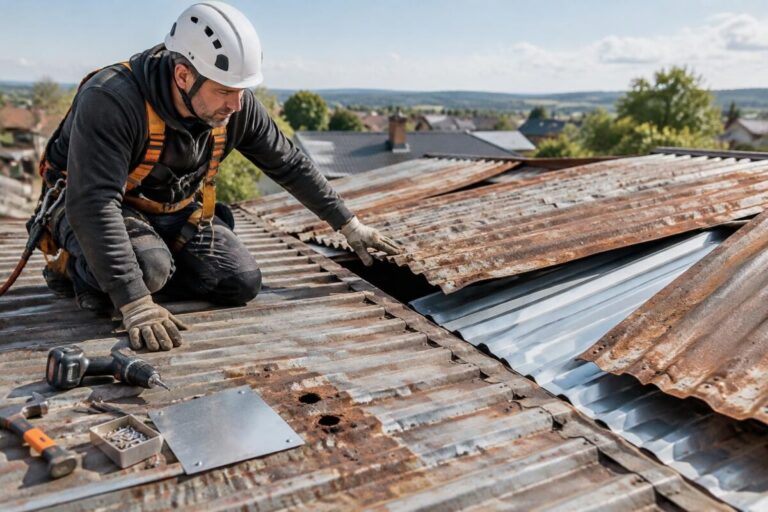
- Assess the roof. Have the roof covering, junctions, roof structure, insulation and signs of moisture inspected, and do not climb onto the roof without suitable equipment.
- Address the cause. Replace defective materials, restore water drainage and fix ventilation problems before closing up the attic.
- Plan the renovation. If roof replacement is necessary, compare underlay options and check that they are compatible with the materials and roof configuration.
An inspection after a windy spell, followed by periodic checks of the attic, can help identify problems before they damage the wood or insulation. The best protection is a coherent system that is maintained and suited to the house.
Is a roof without an underlay necessarily not watertight?
No. A roof covering in good condition can protect the house effectively. Without an underlay, however, there is no second barrier if a tile shifts, rain is driven in by the wind or powdery snow gets in.
Can you install a roofing underlay without replacing the entire roof covering?
It depends on access, the roof configuration and its condition. Installation often requires removing part or all of the roof covering; a roofer can assess the best solution.
How can you tell the difference between a leak and condensation in the attic?
A leak often follows a period of rain and leaves localized marks. Condensation can affect several cold surfaces and be accompanied by odors or mold; an inspection can confirm the cause.
Thanks for reading! If this topic resonates with you, share your experience in the comments. — Ivar