Roof Insulation: Slow Leak, Hidden Danger, or False Alarm?
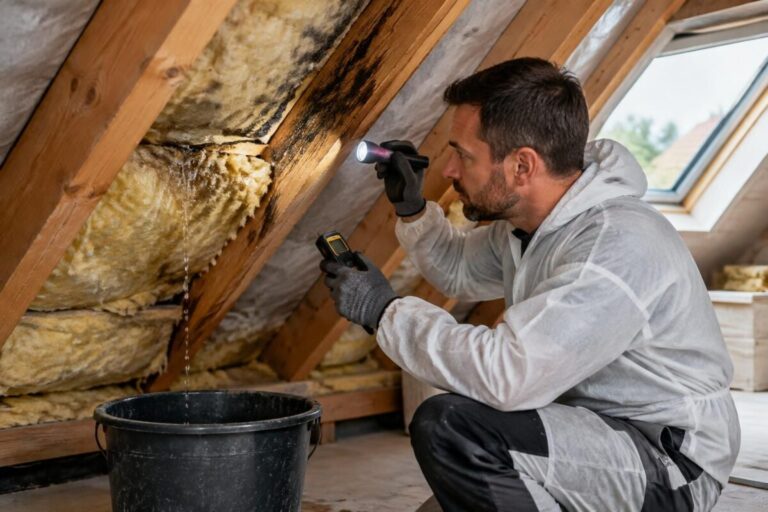
Hi, it’s Ivar. A slow leak isn’t always an emergency, but it should never be ignored: find its source, protect the interior, and have the roof inspected if the dampness returns after rain. The key to avoiding unnecessary alarm lies in one detail: a stain that spreads or wet insulation signals a real risk, even if you can’t see any dripping. A leak that persists can damage the roof structure and encourage mold growth.
Quick checklist: spotting a roof leak
- Note when the stain appears: during the rain, after the shower, or in cold, dry weather.
- Photograph the marks on the ceiling and any visible traces in the attic.
- Move furniture and appliances away; switch off the electrical circuit if water is near an outlet or light fixture.
- From the ground, check for displaced tiles, gutters, and the flashing around a chimney or skylight.
- Don’t climb onto a wet or weakened roof: call a roofer to tarp it and assess the damage.
Slow leak or false alarm: how to tell the difference
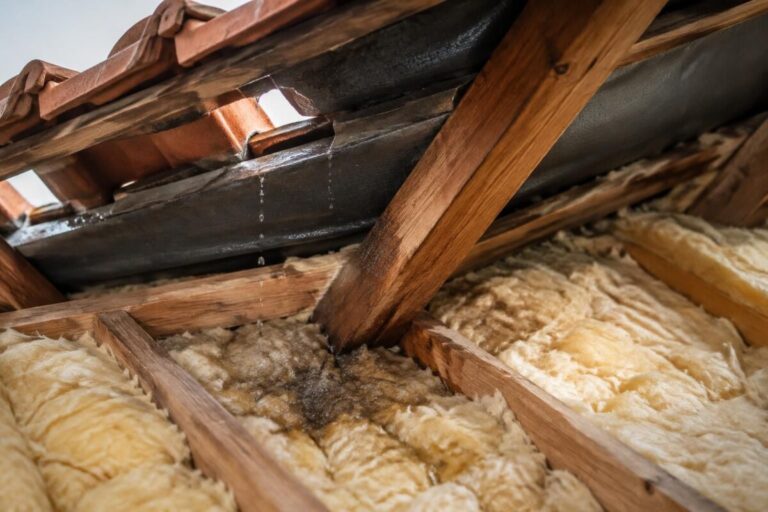
A leak is often linked to the weather. A water stain that returns after rain, blistering paint, or a musty smell in the attic warrants a roof inspection. Water can travel along a rafter before appearing on the ceiling, so the stain doesn’t necessarily indicate where the water is getting in.
Condensation can sometimes look like a leak, but is more likely to appear in cold, dry weather. Droplets spread across several surfaces or damp wood throughout the attic point to a ventilation problem, not necessarily an issue with the roof’s waterproofing. Note the weather and how the marks change over a few days; this helps prevent repairs in the wrong place.
If a small mark stays the same and remains dry, keep an eye on it and check the attic ventilation. If it spreads after every shower, the insulation is soaked, or water is dripping, call a professional promptly.
A common mistake is replacing the tile directly above the water stain without tracing the path of the water. A simple rule: the stain often shows where the water ends up, not where it gets in.
To tell the difference between a roofing defect and inadequate ventilation, also see this guide to roof ventilation before sealing anything.
Roof insulation: why dampness becomes a hidden danger
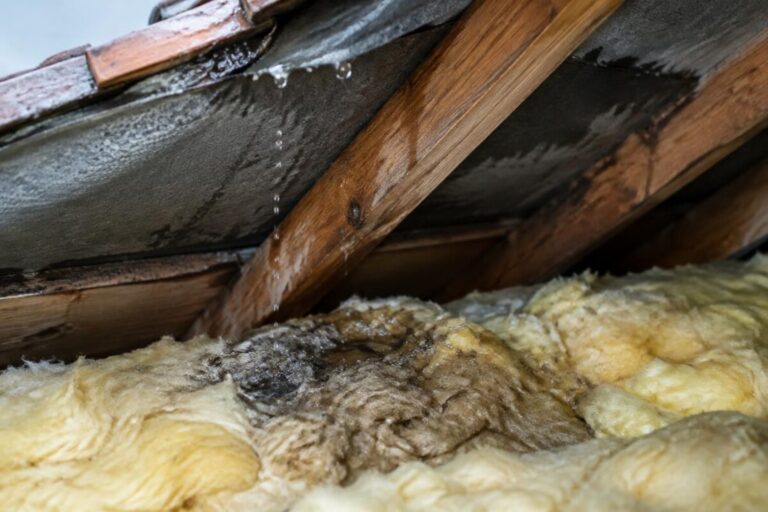
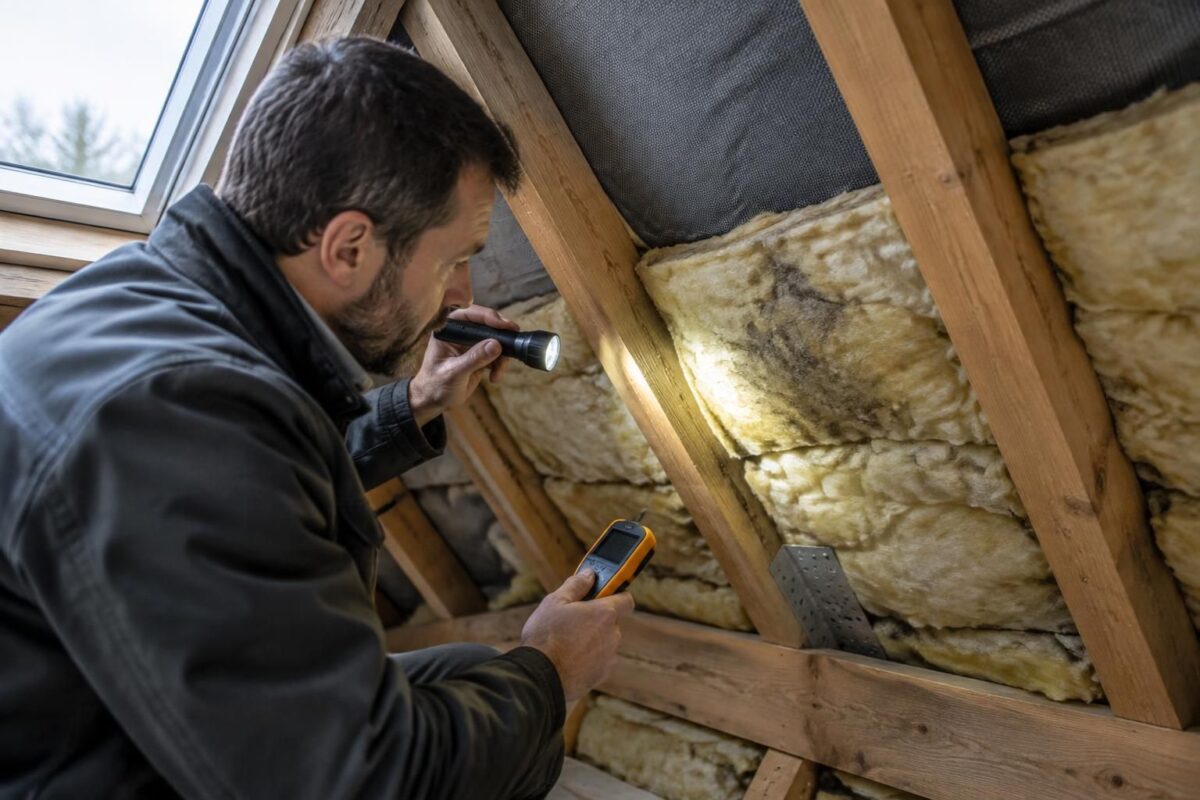
Wet roof insulation often loses some of its effectiveness. Some types of insulation can become compressed or retain water, slowing the drying of the wood and potentially encouraging mold growth. The main risk comes from persistent dampness: a one-off leak that dries quickly doesn’t have the same effects as a leak that keeps the same area wet for weeks.
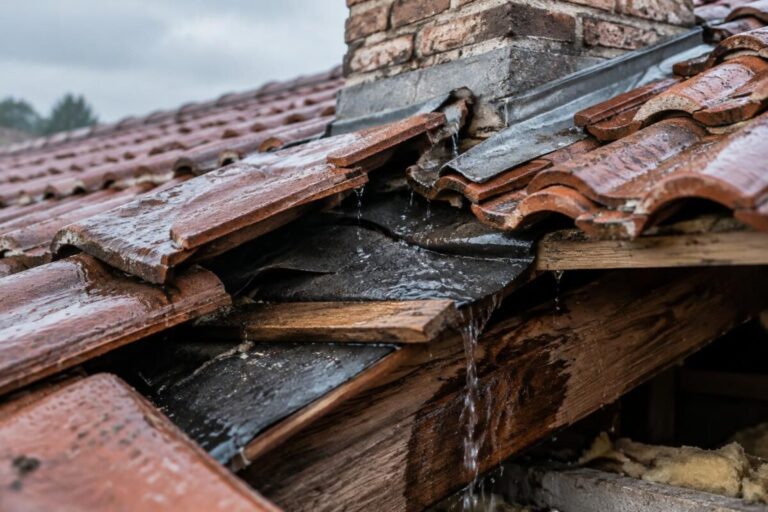
The first areas to check are the chimney flashing, valleys, ridge, skylights, and gutters. A cracked tile, loose flashing, or poorly joined roofing underlay can let water in, while a blocked gutter can force water back up under the roof covering.
After the repair, soaked insulation should be assessed and replaced if necessary, depending on its condition. The wooden elements should also be left to dry, and you should check that no marks return after the next rainfall. A well-planned roof renovation combines sound roofing, suitable insulation, and continuous ventilation.
To understand how water can travel beneath the tiles, here’s a useful overview of the causes of leaks beneath the roof covering.
Three steps to protect your home
- Make the area safe: place a bucket under the leak, protect your belongings, and switch off the electricity to the area if necessary. If the ceiling is bulging with water, don’t stand underneath it; have the risk assessed before doing anything.
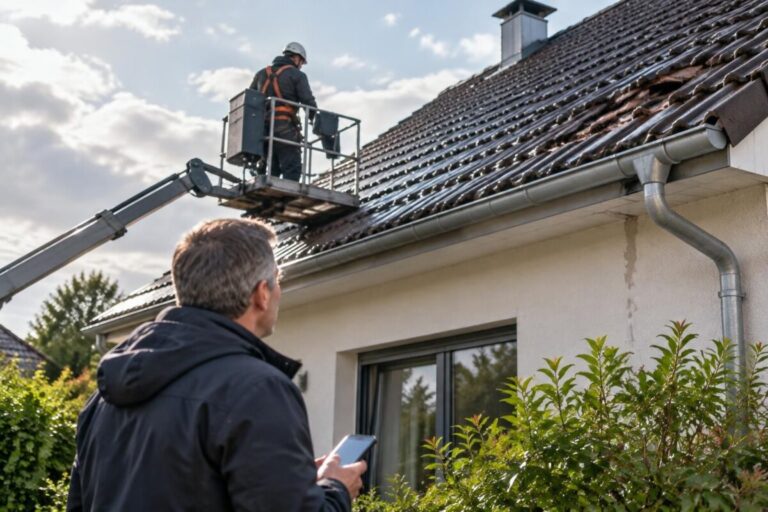
- Document the damage and get an assessment: take photos, note when it rains, and ask a roofer to locate where the water is getting in. Tarping a steep, wet, or damaged roof should be left to a professional.
- Repair and then check: address the cause, dry the area, and inspect the insulation and wood. A follow-up inspection after heavy rain will confirm whether the repair is holding.
Interior water damage may be covered by insurance, depending on the cause and the policy’s coverage. Notify your insurer promptly, keep the photos, and check the reporting deadline specified in your policy; wear and tear or lack of maintenance may be treated differently from damage caused by a sudden event.
To avoid an unpleasant surprise, ask for a written estimate and check the company’s identity and insurance. Emergency work may cost more than a planned repair, but climbing onto a dangerous roof to save that expense is not a sensible option.
Frequently asked questions about roof leaks and insulation
Does a stain on the ceiling always mean the roof is leaking?
No. It may be caused by a leak, condensation, or a pipe. Whether it’s connected to rainfall and where the marks are located in the attic can help guide the diagnosis.
Can you keep insulation that has gotten wet?
It depends on the material and its condition. Soaked or compressed insulation can lose effectiveness and retain moisture; have it inspected and replace it if necessary after repairing the leak.
Should you call a roofer as soon as you see the first water stain?
If the mark is old and dry, monitor it and check for possible condensation. If it spreads after rain, reappears, or is accompanied by dripping water, contact a roofer without delay.
How can you prevent another leak?
Have the roof covering and flashings inspected, clean the gutters regularly, and keep the attic properly ventilated. A visual check after storms can also help you spot damage early.
Thanks for reading this far; Ivar