Roof ventilation: why check before sealing everything up?
Hi, it’s Ivar. Before sealing a roof, check where the moisture is coming from and whether air is circulating properly beneath the roof covering. The practical solution: check the air inlets at the bottom, the outlets at the top, and the condition of the attic before making any repairs. An opening that looks suspicious may be part of the ventilation system, not a sign of a leak.
Quick checklist:
- Locate the air inlets near the eaves and the outlets at the ridge.
- Check that vents, roof vents, and ridge closures are not blocked.
- Inspect the timber, insulation, and roofing underlay for signs of water.
- Make sure the insulation is not blocking air circulation.
- Have the cause identified before sealing or replacing anything.
Roof ventilation: why you shouldn’t seal everything
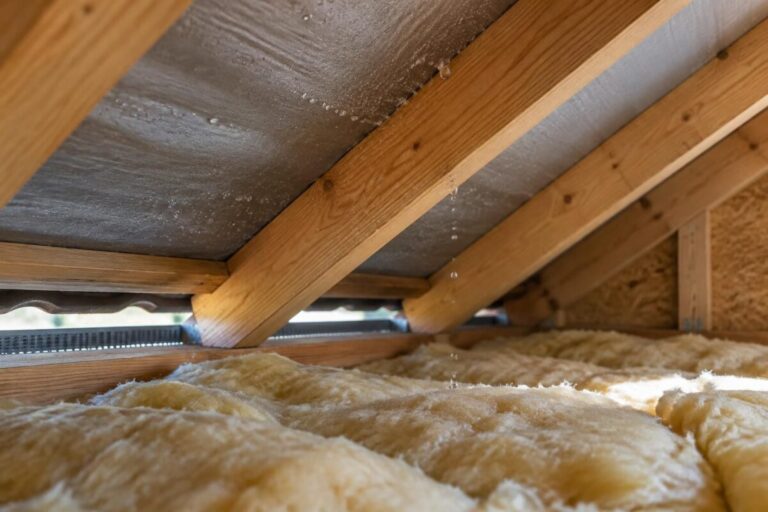
A roof must let out the humid air rising from the house. In winter, this air can turn into droplets when it comes into contact with cold surfaces: condensation then dampens the timber and insulation, and can encourage mold growth.
The system generally works with a low air inlet and a high outlet, connected by a continuous passage beneath the roof covering. Blocking either of these openings can trap moisture instead of solving the problem. Ventilation also helps remove some of the heat that builds up under the roof in summer.
Simple rule: never block an opening before understanding its purpose. Water marks can be caused by water ingress, but also by poor ventilation; the two problems are not fixed in the same way.
Condensation or leak: how to tell the signs apart
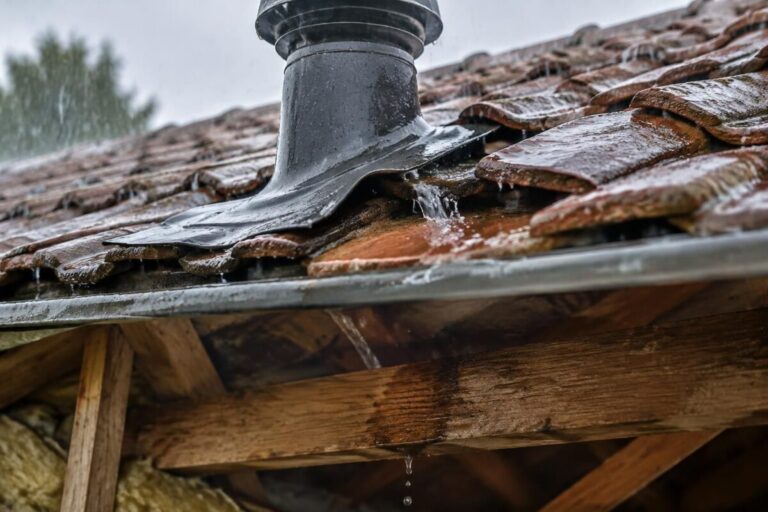
Condensation often appears in several cold areas, particularly beneath the underlay or around structural timbers. Water ingress tends to leave localized marks, sometimes made worse after rain or near a faulty junction.
A common mistake is to block a roof vent because a few drops appear beneath it. If the water is caused by condensation, sealing the vent can make the damp worse: learning to distinguish condensation from a leak helps you choose the right solution.
If the marks multiply after rain and remain concentrated near a junction, have the waterproofing and flashings checked. If they are widespread and the air seems stagnant, first examine the ventilation system and attic insulation.
Roof inspection: what to check before work begins
Start with a visual roof inspection from the ground, then look in the attic if access is safe. Look for blocked vents, dark stains, blue or black discoloration on the timber, a musty smell, and insulation that is compressed or damp.
The air gap must remain clear and continuous, but its dimensions depend on the type of roof covering, the underlay, and the applicable technical requirements. A vapor-permeable roofing underlay can help materials dry out, while a vapor barrier on the interior side limits vapor migration toward cold areas.
The undersides of the eaves can also provide clues: check that their vents are not covered by paint, debris, or insulation. To better understand the order of checks, see this diagnostic guide to consult before looking for a leak.
| Item inspected | What to check | Prudent action |
|---|---|---|
| Eaves and soffit | Clear air inlets, clean vents | Remove obstructions without closing the openings |
| Ridge and roof vents | Outlets present and unobstructed | Have the system checked if the airflow path is uncertain |
| Roof structure and insulation | Signs of damp, mold, sagging | Identify the cause before replacing materials |
| Roof covering and junctions | Displaced tiles, damaged flashings, localized marks | Have a roofer check the waterproofing |
A simple three-step method
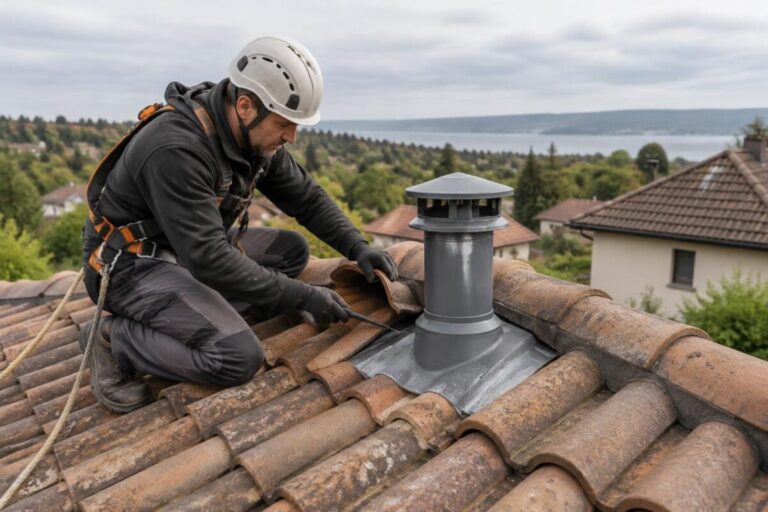
- Observe: Photograph the soffits, visible air outlets, and marks in the attic. Do not climb onto the roof without appropriate equipment.
- Compare: Note whether the marks are widespread or localized, and record any possible link to rain or cold weather.
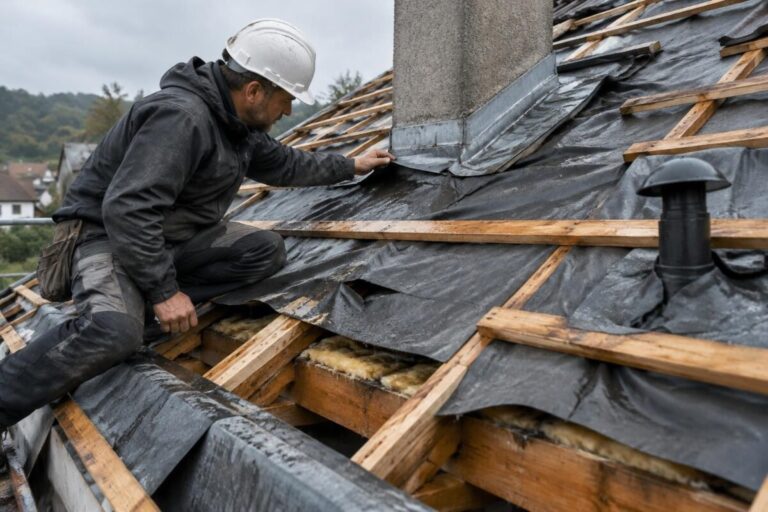
- Get a diagnosis: Ask the roofer to explain the airflow path, the cause of the damp, and the planned work before sealing anything.
A thorough quote specifies the items to be repaired, the materials, the ventilation openings to be retained or added, and any necessary waterproofing repairs. It does not simply propose sealing something without explaining how water or air moves.
Protect the roof without trapping moisture
Ventilation, insulation, and waterproofing work together. Effective insulation must not crush the planned airflow path, and roof ventilation is no substitute for repairing a damaged roof covering.
A visual inspection can be done once a year, particularly after winter, and after a significant weather event. In complex cases, a professional can assess the moisture content of the materials and check the continuity of the vapor barrier or underlay.
For more information, this resource explains how poor air circulation can contribute to water-related damage. The key is to find the cause before closing a useful opening.
A healthy roof is about more than a watertight covering: it must also be able to release moisture. Check first, seal afterward to protect the roof structure and preserve the insulation’s performance.
Frequently asked questions about roof ventilation
Should you seal an opening that lets air through?
Not before identifying its purpose. It may be an inlet or outlet needed for ventilation; have the system checked before closing it.
How can you recognize condensation in the attic?
It often leaves widespread marks on several cold surfaces, sometimes accompanied by a damp smell or mold. A leak is more often localized, but an inspection can determine the cause.
How often should roof vents be checked?
A visual inspection once a year is a good rule of thumb. Also check the openings after a storm or insulation work, and do not climb onto the roof without suitable safety equipment.
Can attic insulation block ventilation?
Yes, if the insulation is pushed against the roof covering or blocks the air inlets. The planned passage must remain clear in accordance with the roofing system and applicable technical requirements.
Thanks for reading this far; Ivar