Roof insulation: how can you prevent mold after a leak?
Hi, it’s Ivar. After a leak, prevent mold by repairing the roof first, then drying the attic completely before replacing the damp insulation. Roof insulation installed over a wet surface can trap water and cause the problem to return. Ventilation and waterproofing should also be checked.
Quick checklist:
- Locate the roof leak and have it repaired before starting insulation work.
- Stay away from waterlogged areas and turn off the power if water reaches an electrical installation.
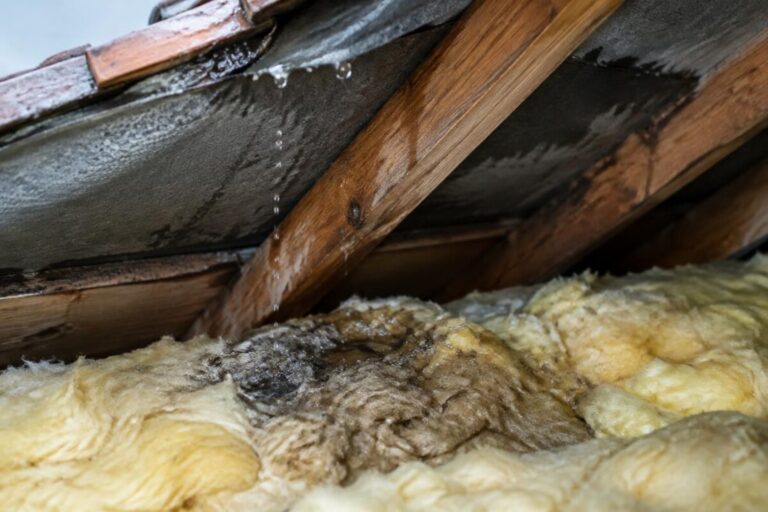
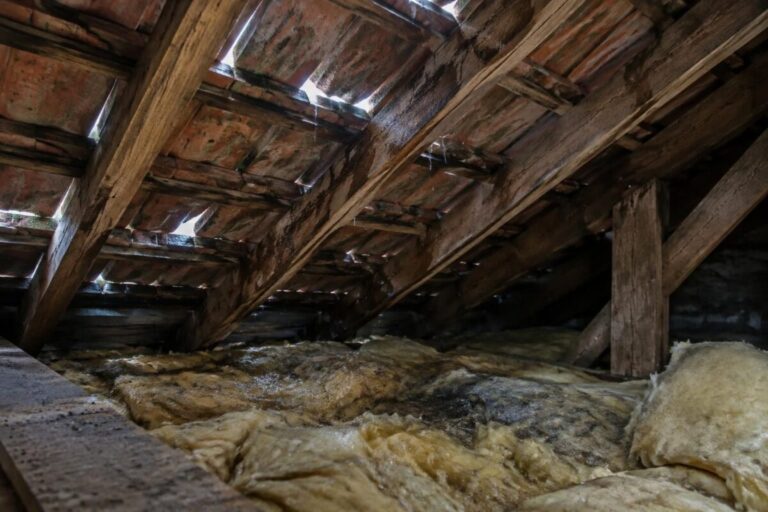
- Have the insulation inspected: if it is saturated, compressed, or moldy, it will often need to be replaced.
- Make sure the attic dries out and check that air is circulating properly.
- Do not close up the ceiling until the materials are dry.
After a roof leak: check for moisture before insulating
A mark on the ceiling, dark spots, or a damp, earthy smell may indicate a hidden problem. Mold sometimes develops behind a wall covering, where the insulation holds water out of sight.
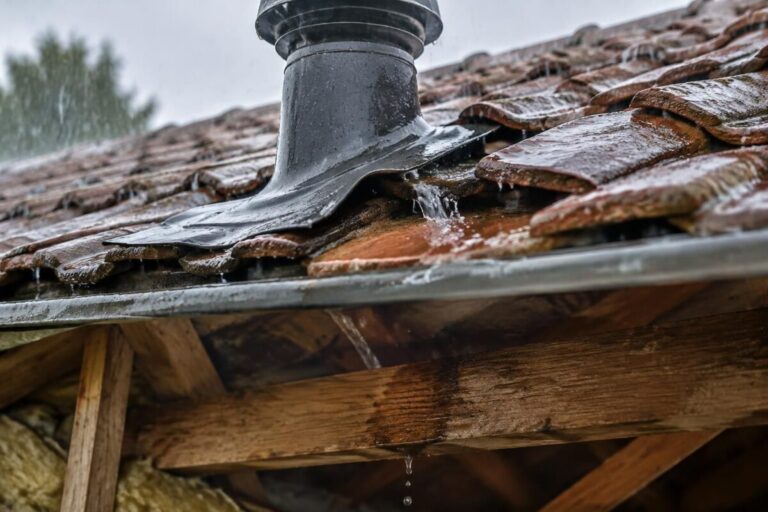
It is important to distinguish water ingress from condensation. A leak often leaves a localized mark that worsens after rain; condensation tends to affect several cold surfaces and may return when indoor air is not adequately refreshed.
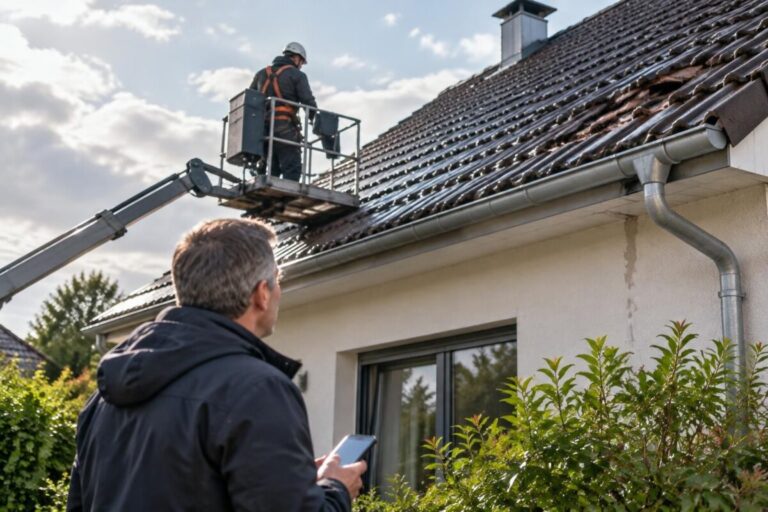
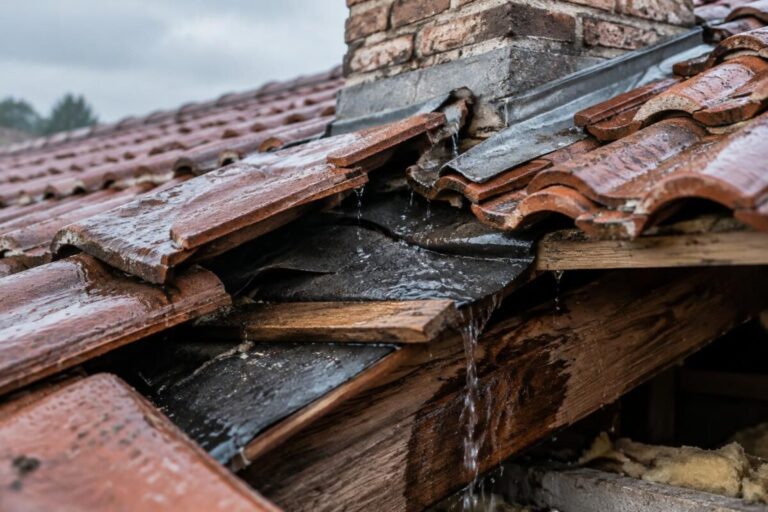
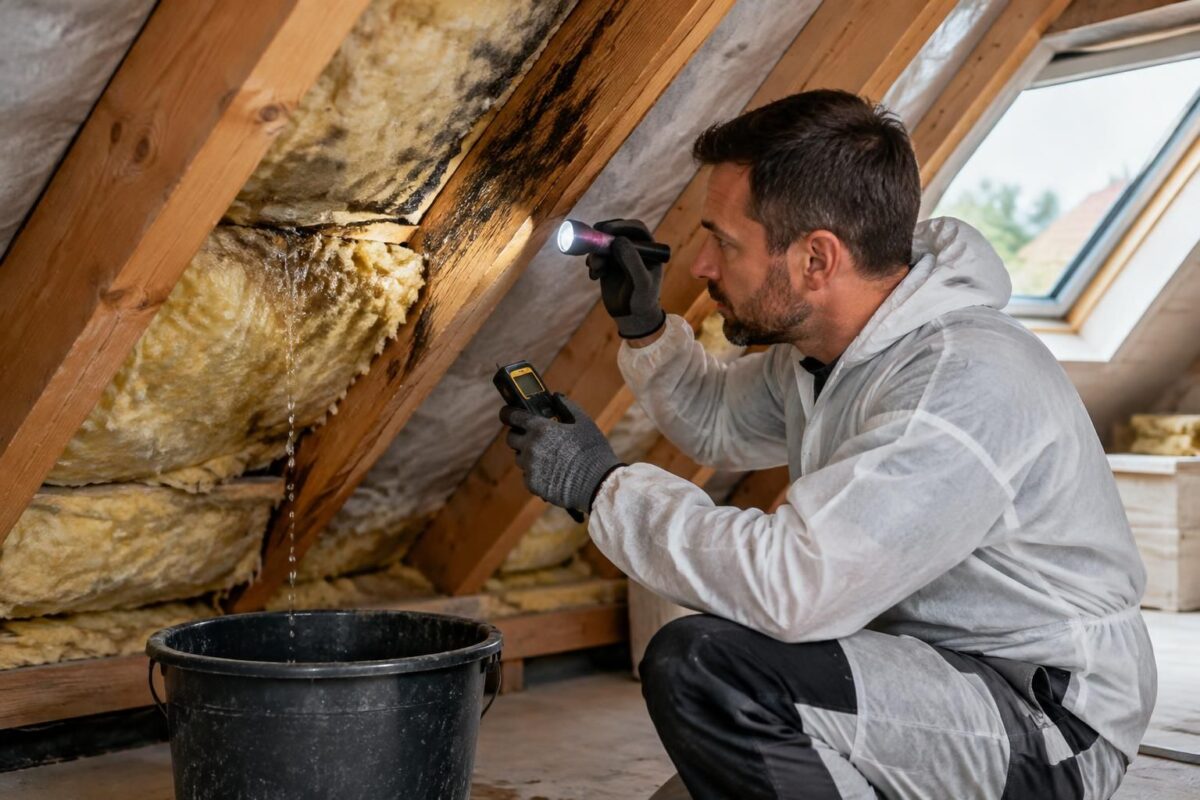
To find the source, inspect the roof covering, the joints around roof windows, and any marks on the roof frame. This quick check for water ingress helps pinpoint the repair without confusing a leak with ordinary ambient humidity.
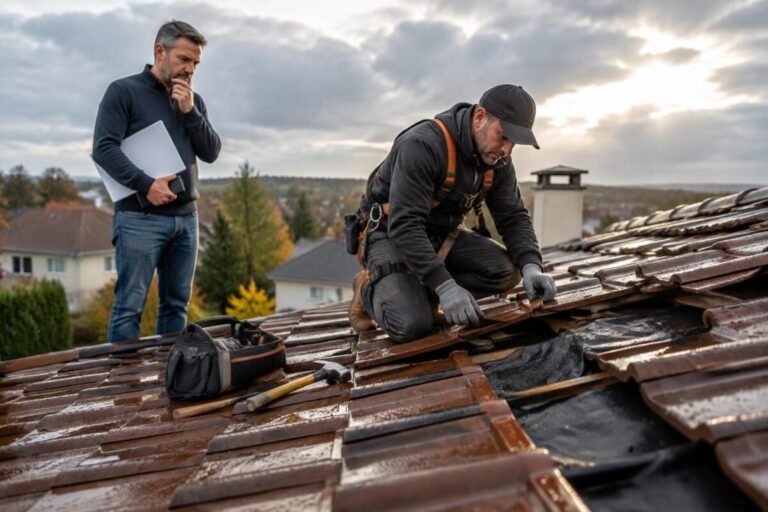
If the leak is small and the area is accessible, have a roofer make the repair, then monitor the drying process. If water has reached several roof slopes, the roof frame, or the electrical installation, do not enter the attic and request a professional inspection.
Drying the attic and making repairs after a leak
A common mistake is to put insulation back as soon as the roof covering has been repaired. However, material that is still damp loses some of its effectiveness and can maintain conditions that favor fungal growth.
Simple rule: fix the cause, dry the materials, then insulate. An antifungal treatment may be useful on a compatible surface, but it never replaces the removal of the moisture source.
To make sure a repair does not hide a new point of water entry, also check the materials and joints. This advice on a leak that returns after a repair is a reminder that a waterproofing defect can remain active despite an apparently visible repair.
Roof ventilation should be checked at the same time: air inlets and outlets must not be blocked by insulation. Preventing moisture depends on this balance just as much as it does on the roof covering.
The three-step method for insulating without trapping water
- Stop the leak: have the roof covering and joints repaired, then check that no new marks appear after it rains.
- Dry and clean up: ventilate the attic, remove damaged materials, and let the wood and surfaces dry. For extensive or persistent mold, get an assessment before applying any treatment.
- Reinstall suitable insulation: choose the material based on the building and climate, then ensure it is installed continuously without blocking the intended airflow.
Glass wool is often economical, but must be protected from moisture. Rock wool is highly heat-resistant; hemp or cellulose wadding can provide good moisture regulation, depending on the roofing system and installation conditions.
Roof waterproofing and choosing the right time
Spring is a good time to spot damage caused by frost or heavy rain. Autumn is also a practical time to prepare the house for cold weather, provided the roof is dry and work can be carried out in suitable weather conditions.
Long-lasting insulation combines a sound roof covering, suitable insulation, and properly designed ventilation. Timing matters less than the order of work: roof waterproofing comes before insulation.
| Observed situation | Recommended action | Point to watch |
|---|---|---|
| Water mark after rain | Have the roof covering inspected and repaired | Check the joints and vulnerable areas |
| Damp or sagging insulation | Have it assessed, then replace it if necessary | Do not cover it before it is completely dry |
| Musty smell with no visible leak | Check the ventilation and look for hidden moisture | Do not just try to mask the smell |
A rushed repair can sometimes fail again. Before closing up the attic, check that the roof covering shows no further signs of water ingress and that air can circulate without obstruction.
FAQ about roof insulation after a leak
Should damp insulation be replaced after a leak?
Not necessarily. A professional can assess its condition, but insulation that is saturated with water, deformed, or contaminated with mold often needs to be replaced. Wait until it is completely dry before reinstalling it.
Can an antifungal treatment be applied right away?
First, the leak must be fixed and the surfaces dried. An antifungal treatment can complement the cleanup if the material allows it, but it does not solve the cause of the moisture.
How can you tell a leak from condensation?
A mark caused by a leak often appears near a point on the roof and changes with the rain. Condensation is more widespread and can appear on several cold surfaces, especially if ventilation is inadequate.
When should attic insulation be replaced?
After the roof covering has been repaired and the materials have dried. Spring or autumn is often convenient, but the surface must be dry and the worksite conditions are still decisive.
Thanks for reading this far; Ivar