Roof Waterproofing: Quick Savings or Damage Later?
Hello, it’s Ivar.
A leak caught early generally costs less to repair than a roof left neglected.
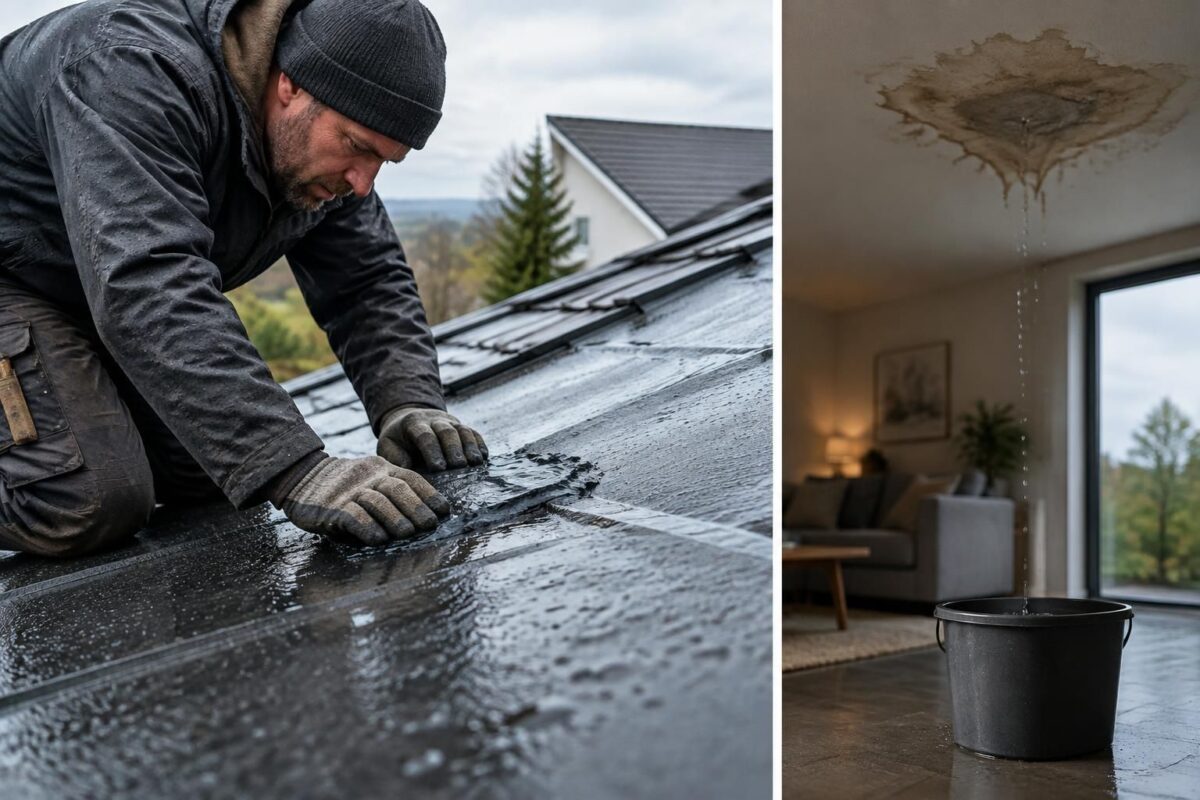
A ceiling stain, a musty smell or a displaced tile can indicate a roof waterproofing problem. Acting quickly limits water damage, protects the insulation and prevents a localized repair from turning into a roof renovation.
What to do right away
- Look for visible signs: stains, blistering paint, mold or damp insulation.
- Look into the attic from a safe place with a flashlight, without climbing onto the roof.
- Photograph the marks and note where they are to help with the diagnosis.
- Check the gutters from the ground: leaves and debris can prevent water from draining away.
- Ask for a written quote before any leak detection or paid work.
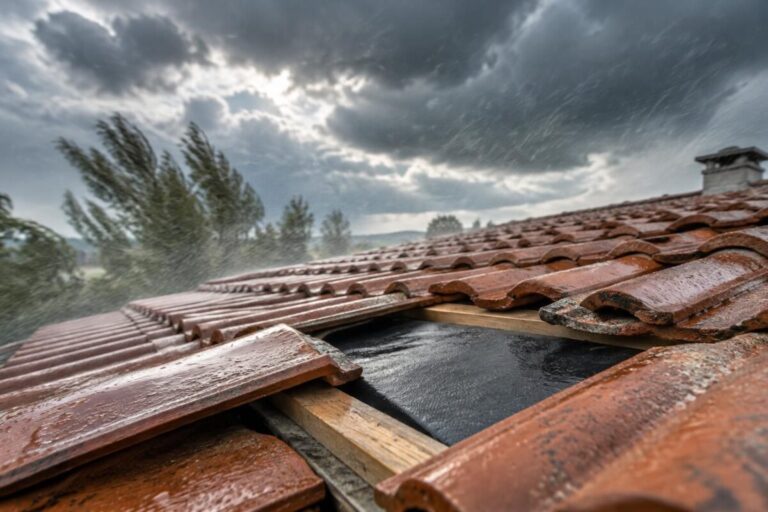
If water is getting in through an inadequately protected area, understanding the role of a missing roofing underlay can help distinguish an isolated defect from a more widespread problem. To avoid a temporary repair that does not last, this guide to repairs that help prevent leaks from recurring explains what to check.
Roof waterproofing: signs that warn of damage
Water does not always travel in a straight line. It can run beneath the roof covering before appearing far from where it entered, sometimes several weeks later. A ceiling stain therefore does not necessarily mean the tile directly above it is the source.
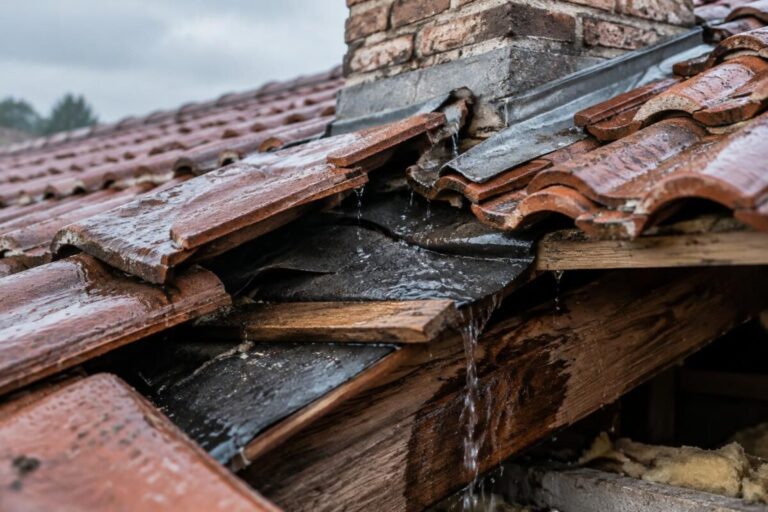
Imagine a family noticing a slight musty smell in the attic. At first, the insulation seems merely compressed; after an inspection, it turns out that a junction around a chimney is letting water in. The leak has also reduced the roof’s thermal performance: insulation and waterproofing need to be assessed together.
- Yellowish or brownish stains on ceilings and upper walls.
- Blistering paint, mold or a persistent damp smell.
- Water marks on beams, the roofing underlay or insulation.
- Broken, missing or displaced slates or tiles.
- An unusual increase in heating costs, sometimes caused by wet insulation.
Visible water ingress is often a symptom, not a complete diagnosis. The cause must be identified before choosing a product or repair.
Roof repair: choosing the right solution
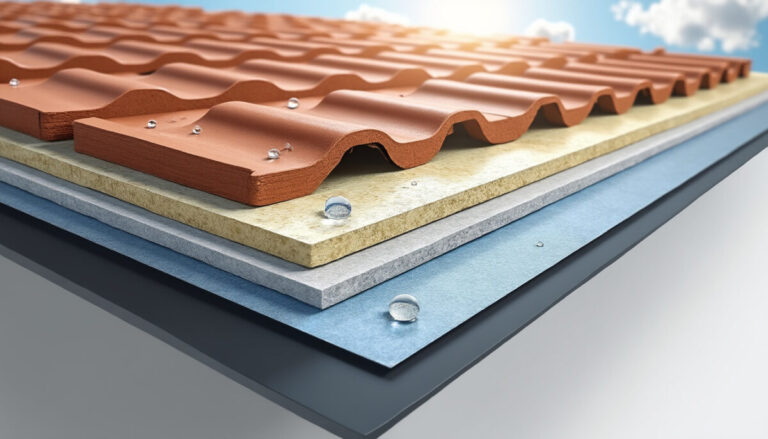
On a pitched roof, protection depends in part on the roof covering, the roofing underlay and the junctions. A cracked tile is not repaired in the same way as a detached flashing or damaged membrane. On a flat roof, the continuity of the covering and the condition of the upstands and drains are especially important.
Bituminous membranes are common and repairable. EPDM offers a long service life when installed carefully; PVC or TPO may suit certain configurations. The choice depends on the substrate, the roof’s shape and the applicable technical requirements—not just the advertised price per square meter.
| Solution | Indicative lifespan | Points to consider |
|---|---|---|
| Bitumen | Approximately 15 to 30 years | A proven solution; protection and maintenance may be needed depending on the system. |
| EPDM | Up to around 40 years or more, depending on the product and installation | Flexible membrane, often installed without a flame; the quality of the joints remains essential. |
| PVC or TPO | Approximately 25 to 35 years | Lightweight membranes suitable for certain flat roofs; installed according to the chosen system. |
| Repair to a pitched roof covering | Variable | Replacement of broken components and repair of the affected junctions. |
These figures are estimates: climate, maintenance, substrate quality and installation all affect the lifespan. A durable membrane with poorly sealed joints can leak quickly; conversely, a well-targeted repair can extend the life of a roof covering that is still in good condition.
Repair costs: compare like-for-like quotes
Two prices cannot be compared if one covers a small area and the other includes removing an entire roof covering. Ask the contractor to specify the area being treated, the condition of the substrate, which junctions will be repaired, site access, waste disposal and warranties. Repair costs also depend on what is discovered once the roof is opened up.
For a flat roof, indicative price ranges for materials and systems can help you prepare questions: bitumen often costs around €40 to €80/m², EPDM around €50 to €100/m², and PVC/TPO around €40 to €90/m². These are not project quotes: labor, access, substrate preparation and technical details can significantly change the total.
Short-term savings can be a poor decision if they involve covering up the leak without addressing its cause. If the roof covering is approaching or over 25 years old, compare the total cost of repairs with a roof renovation: scaffolding and preparation costs may be shared. For roof maintenance, an annual visual check and an inspection after a storm reduce the risk of an unpleasant surprise.
Preventing damage: a three-step process
- Make the area safe and document the damage. Move sensitive items away from the damp area, place a container underneath if necessary and photograph the marks. Do not climb onto a wet roof or one without suitable safety equipment.
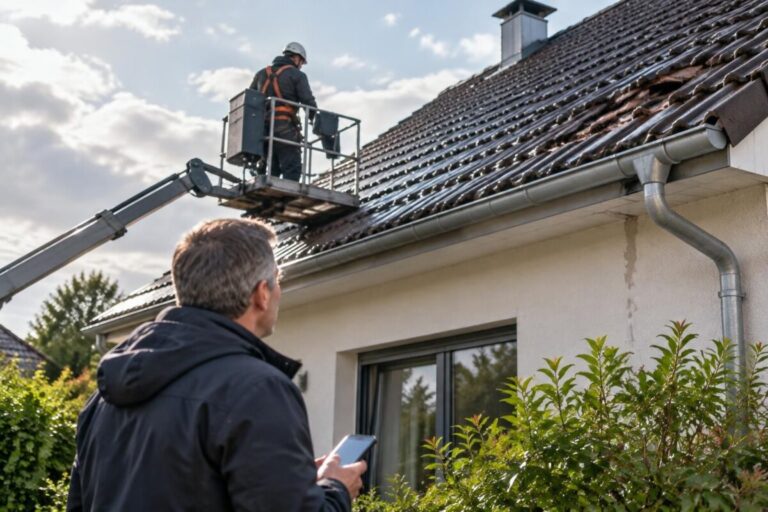
- Have the cause located. A professional can inspect the attic, carry out a targeted water test or use a thermal camera. Ask in writing whether the diagnosis is chargeable, and have the gutters and junctions checked.
- Get a quote for the right scope of work. Compare at least two detailed quotes and check the ten-year liability insurance when the work falls under this warranty. If there is a claim, notify your insurer within the period stated in your policy; five business days is a common deadline, but check your policy.
An experienced DIYer may sometimes be able to carry out a small, easily accessible repair using suitable safety equipment. For a membrane, flashing, steep roof or damaged roof structure, a roofing and waterproofing specialist is the prudent choice: safety and quality of installation matter more than a quick patch.
Frequently asked questions about roof waterproofing
What are the first signs of a roof leak?
A ceiling stain, blistering paint, a musty smell, marks on the insulation or displaced roof components should be cause for concern. An increase in heating costs can also indicate wet insulation.
Can you repair water ingress yourself?
A small, accessible repair may be possible for someone experienced and properly equipped. A membrane, flashing or pitched roof will generally require a professional.
How much does a waterproofing repair cost?
The price varies depending on the cause, area, access and condition of the substrate. Ask for detailed quotes covering the same scope of work rather than comparing only the price per square meter.
How often should you inspect your roof?
A visual check at least once a year is useful, along with an inspection after a storm. A professional inspection every two to three years can help identify defects before they cause damage.
Thanks for reading! If this topic resonates with you, share your experience in the comments. — Ivar