Roofing materials: metal roof, which repair really lasts?
Hi, it’s Ivar. For a repair that lasts, remove the rust down to sound metal, apply a suitable primer, and replace any perforated sheet metal rather than covering it with filler. A sheet metal roof can often be repaired locally if the rest of the sheets are still sound. But if the corrosion is widespread, partial or complete replacement avoids having to apply one patch after another.
Quick checklist:
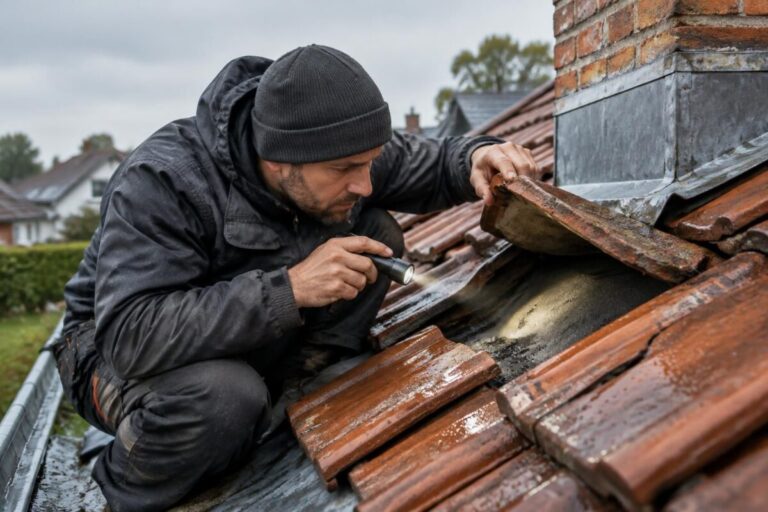
- Inspect the fasteners, joints, cut edges, and areas around the gutters.
- Check whether the rust is only on the surface or has eaten through the sheet.
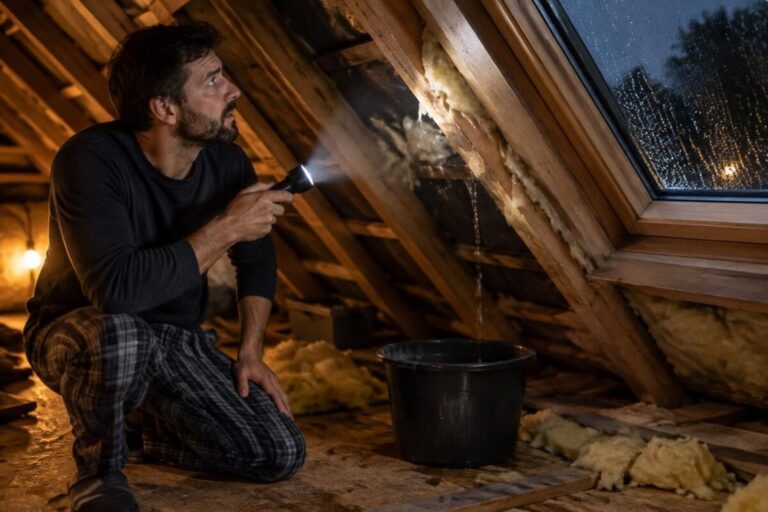
- Look for any signs of moisture under the roof and in the attic.
- Choose products that are compatible with the metal and existing coating.
- Avoid walking on a wet or fragile roof: call a roofer if access is risky.
Metal roof repair: distinguishing rust from perforation
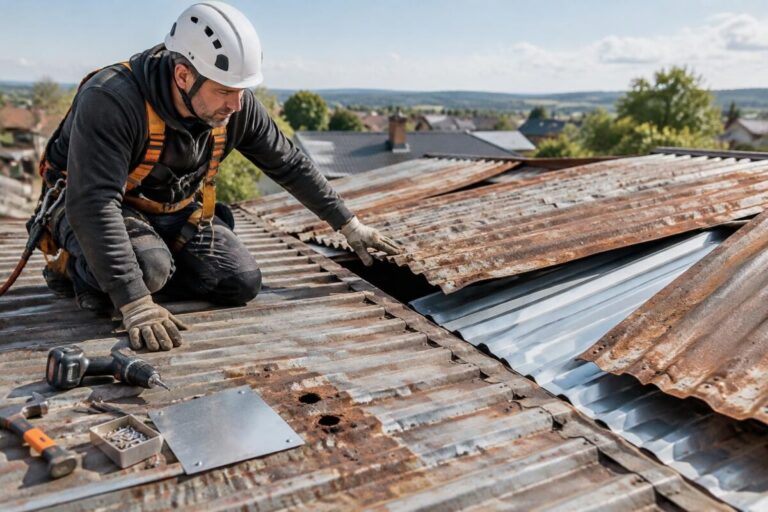
Small orange or brown spots often indicate corrosion of the sheet metal limited to the surface. After cleaning, a suitable treatment can slow its progression if the metal has not become thin.
A hole, a deformed sheet, or water ingress indicates more serious damage. A leak in a sheet metal roof can also be caused by a loose screw or a worn seal, without the sheet being perforated: check the cause before choosing a remedy.
Corrosion often concentrates around fasteners, overlaps, gutters, and cut edges. These areas trap moisture or lose their protection more quickly.
If the rust is superficial and isolated, cleaning followed by treatment may be enough. If several sheets are perforated or deformed, replacing the sheets is generally more reliable than a succession of local repairs.
| Condition observed | Repair often suitable | What to check |
|---|---|---|
| Rust spots with no thinning of the metal | Cleaning, primer, and compatible paint | The protective coating around the area |
| Loose fastener or cracked seal | Replacement with a suitable screw or seal | Watertightness around the fastener |
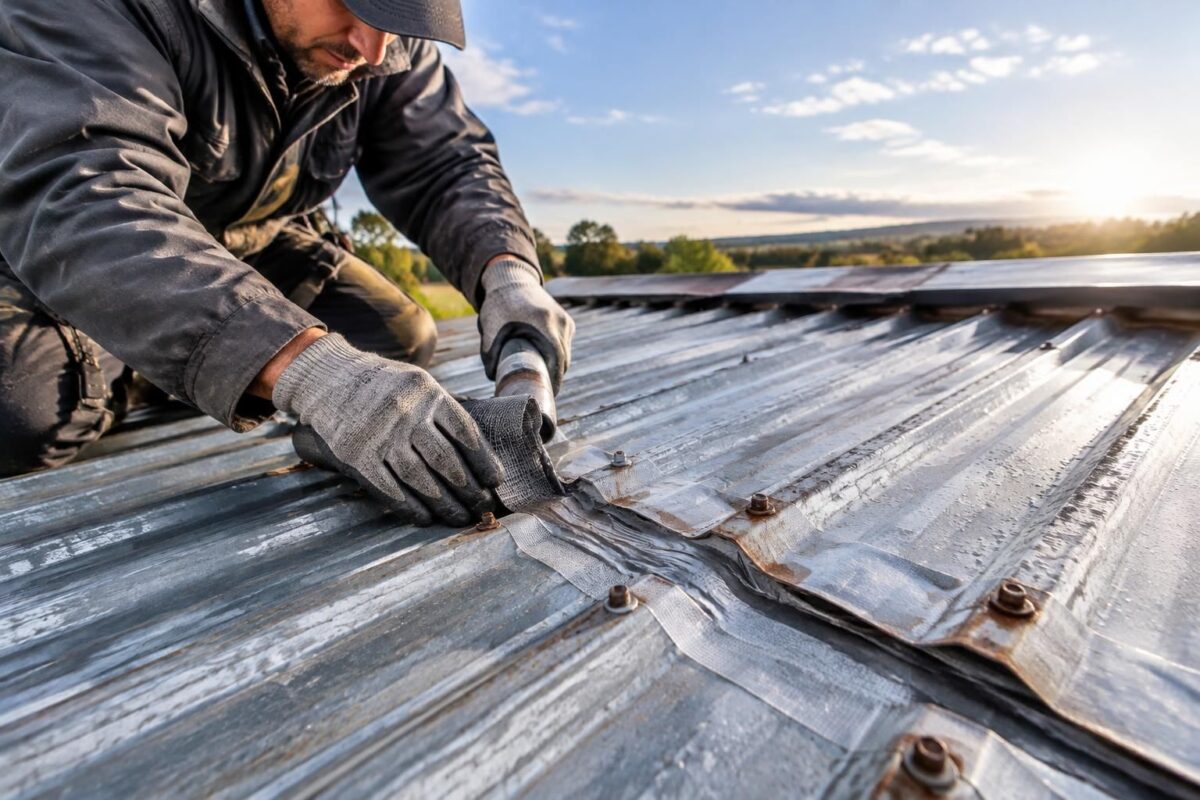
| Small hole in a sheet that is otherwise sound | Properly installed and sealed metal patch | The strength of the metal around the patch |
| Deep corrosion in several areas | Partial or complete replacement to be assessed | The overall condition of the roof covering and its supporting structure |
The three steps to a durable roof repair
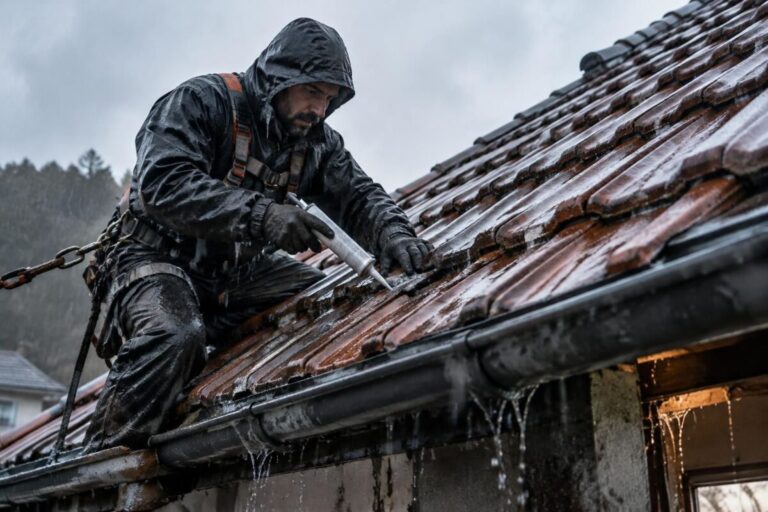
Before starting work, choose dry weather and check the product instructions. On a steep, slippery, or weakened roof, leave the job to a professional: a good repair is no substitute for proper safety measures.
- Clean and assess: remove leaves and dirt, then remove the rust without damaging sound metal. On painted sheet metal, avoid overly abrasive materials and degrease with a compatible product.
- Treat the surface: apply a rust converter or anti-corrosion primer suitable for the metal and coating. Observe the stated drying time, then apply the anti-corrosion coating intended for outdoor exposure.
- Restore watertightness: replace a perforated sheet or install a suitable metal patch on a support that is still solid. Use compatible fasteners and washers, then check the overlaps and seals.
A common mistake is to cover rust with a thick coat of paint without removing the crumbling parts. Water then continues to spread beneath the new coating, and the repair may fail sooner than expected.
To compare a local repair with replacing a sheet, see this guide on choosing between repairing or replacing a sheet. If the leak is still difficult to locate, these pointers on finding a hidden leak may help trace it to its source.
Seals, ventilation, and insulation: protect the roof beyond the patch
A repair lasts longer when water drains away without pooling. Check the metal roof seals, the flashing around chimneys and vents, and the overlaps between sheets; replace dry or cracked seals with products designed for the roof covering in question.
Attic ventilation matters too. Insufficient airflow can encourage condensation beneath the sheet metal, while poorly protected thermal insulation can get wet after water ingress. So check the underlayment, insulation, and any signs of moisture from inside before closing everything back up.
“A lasting repair starts by eliminating the cause of the water, not just the sign of it.” For a leak around a screw, this information on improperly installed fasteners can help you better understand the problem.
For sheet metal roof maintenance, clear leaves from the gutters and inspect the roof covering at least once a year, as well as after severe weather. Regular checks help catch the first signs of damage before they reach the supporting structure or insulation.
Repair or replace the sheet metal: signs that help you decide
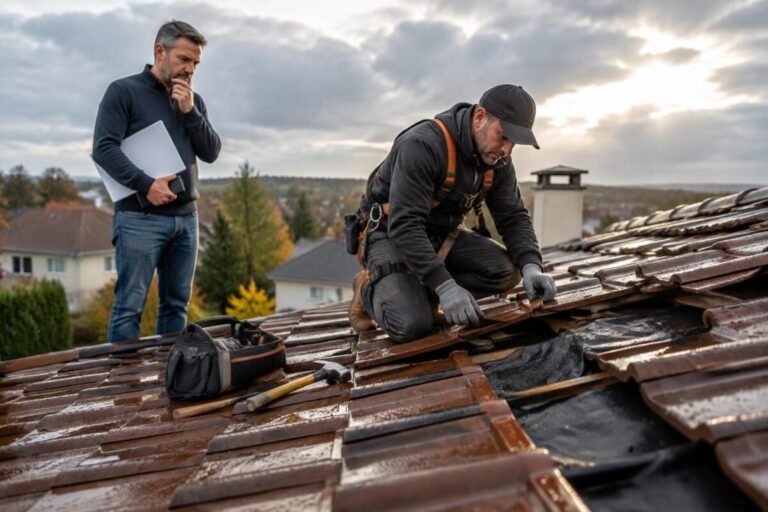
When only one area is affected and the neighboring sheets are still sound, a localized repair can extend the life of the roof covering. If deep rust affects a significant portion of the roof, several perforations appear, or the sheets become deformed, ask a professional whether broader replacement is needed.
As a rule of thumb, deep corrosion affecting about one-third of the surface warrants a thorough assessment, but this threshold depends on the condition of the metal, supports, and any water ingress. The initial cost of a repair is often lower; however, if the damage is widespread, it may only postpone work that has become necessary.
If the rust remains on the surface of a stable sheet, local treatment may be appropriate. If water is getting through in several places or the metal is deforming, replacing the affected components is generally the safer option.
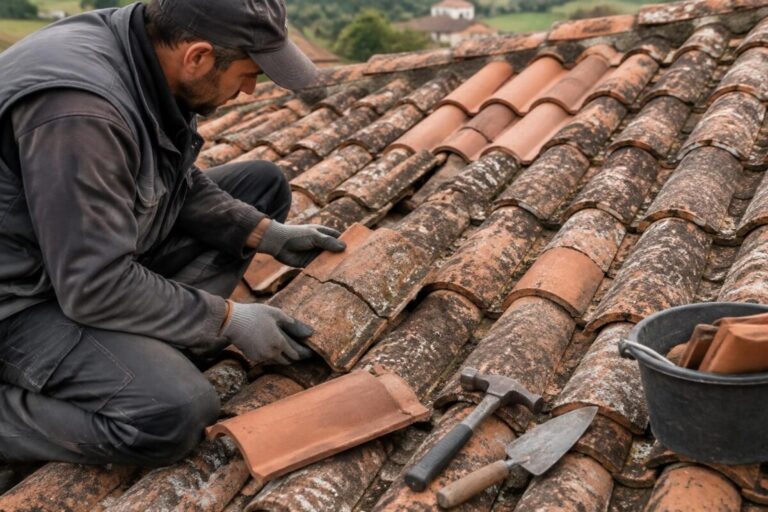
Re-roofing can also be an opportunity to improve thermal insulation, ventilation, and roof watertightness. The choice of materials and installation details matters just as much as the sheet itself for long-term durability.
Practical questions about repairing a sheet metal roof
Can you repair a rusty sheet of metal yourself?
A small, accessible area with no perforation can sometimes be treated if you know how to use the appropriate products. Avoid working at height without proper safety equipment; for a perforated sheet or a fragile roof, ask a roofer for advice.
Is a rust converter enough to repair a hole?
No. It treats some corrosion residue, but it does not restore the strength of a perforated sheet. You need to restore watertightness with a suitable patch or replace the damaged sheet metal.
How can you prevent corrosion from returning?
Clean the roof covering, promptly treat chips and areas of bare metal, and regularly check the fasteners, seals, gutters, and overlaps. Choose products that are compatible with the existing metal.
When should the entire sheet metal roof be replaced?
Full replacement should be considered if deep corrosion is widespread, many sheets are perforated or deformed, or local repairs are becoming more frequent. The assessment should also take the supporting structure and moisture beneath the roof into account.
Thanks for reading this far; Ivar