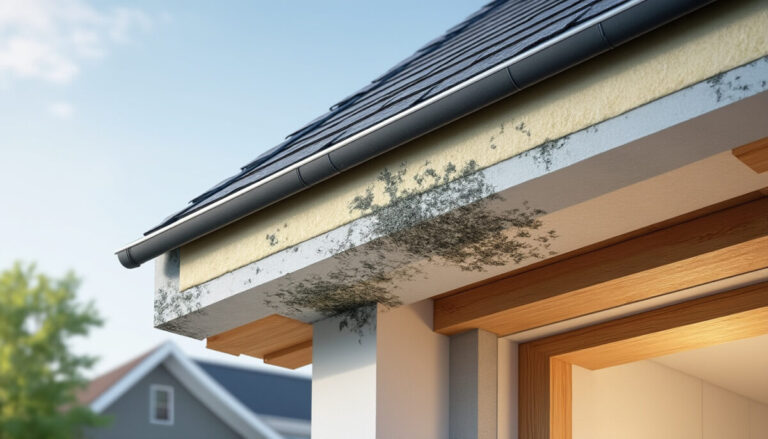
Roof insulation: what should you do if the insulation smells damp?
Hi, it’s Ivar. If glass wool smells damp, the first step is to find out why: a leak, condensation, or a nearby material that has deteriorated. The smell alone doesn’t mean that all the insulation needs to be thrown away. Stop the water from getting in, arrange appropriate drying, then have the condition of the wool and the supporting materials checked before closing everything back up.
- Identify the exact source of the moisture (leak, condensation…)
- Repair your roof to prevent further water infiltration
- Ensure optimal ventilation in the attic
- Have the drying method determined based on the wall assembly and the condition of the materials
- Replace the wool if it is saturated, compressed, or showing signs of mold
Why does insulation wool smell damp, and what are the consequences for your roof insulation?
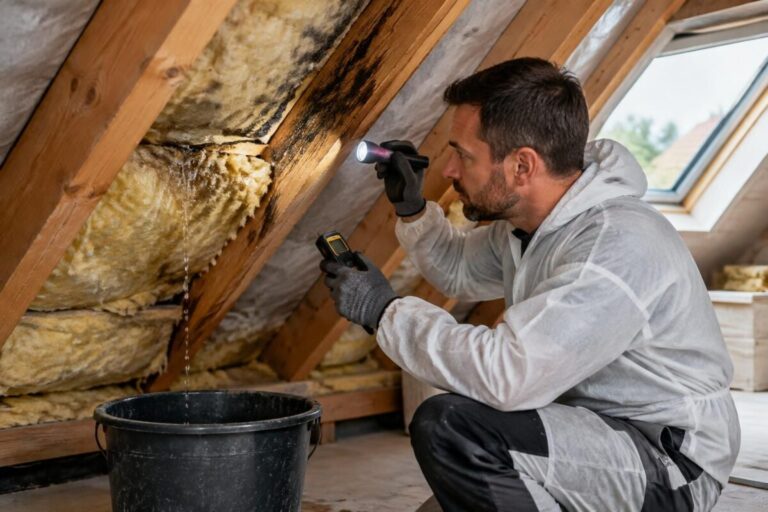
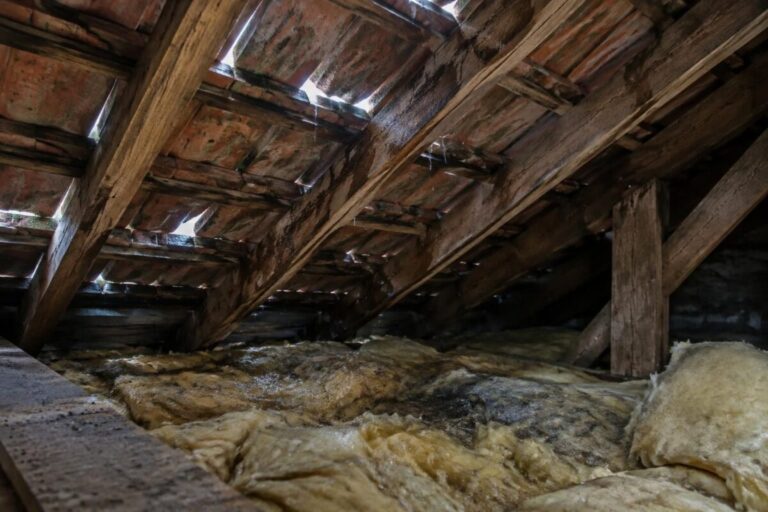
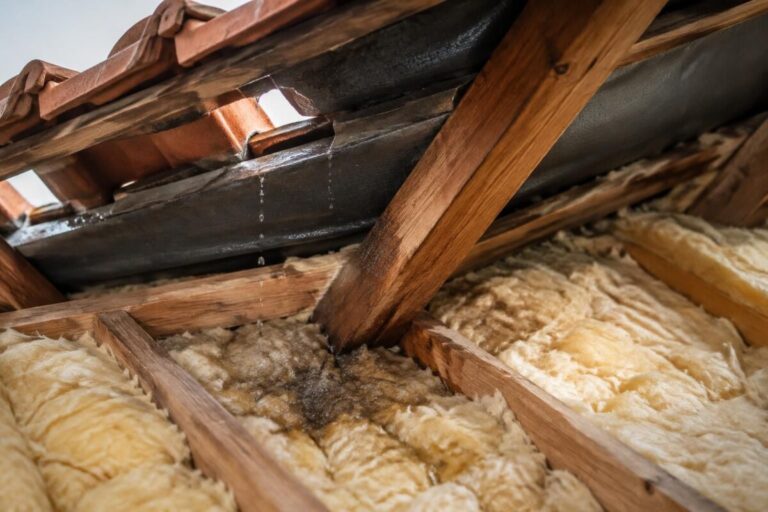
A damp smell coming from insulation wool often indicates water infiltration or persistent condensation in your roof. Water replaces the air in the fibers, reducing the insulation’s thermal resistance, which leads to heat loss and, consequently, higher energy bills. This moisture can also cause the wool to compress or sag, creating dangerous thermal bridges.
Over time, mold appears because stagnant moisture is its preferred environment. In addition to affecting thermal efficiency, this degrades indoor air quality. One key sign that is often overlooked is a musty smell: sometimes it’s the only clue before the moisture becomes visible to the naked eye.
Poor ventilation makes the problem worse
If your attic isn’t adequately ventilated, humid air gets trapped, increasing condensation beneath the roof and making the insulation wetter. Insufficient ventilation = moisture that sets in, even if your roof is in good condition. That’s why regular moisture checks can help you anticipate damage.
Quick action plan: what to do about glass wool that smells damp
- Carefully locate the leak or failed waterproofing responsible for the water infiltration
- Repair the roof (tiles, flashing, chimneys) to stop water from getting in
- Ventilate the attic effectively after the repair: keep the air paths designed for this assembly clear and continuous
- Dry the wall assembly based on an assessment; don’t compress the damp wool or close it up too soon
- Replace the wool if it has sagged, become moldy, or is saturated
When is replacing the insulation essential?
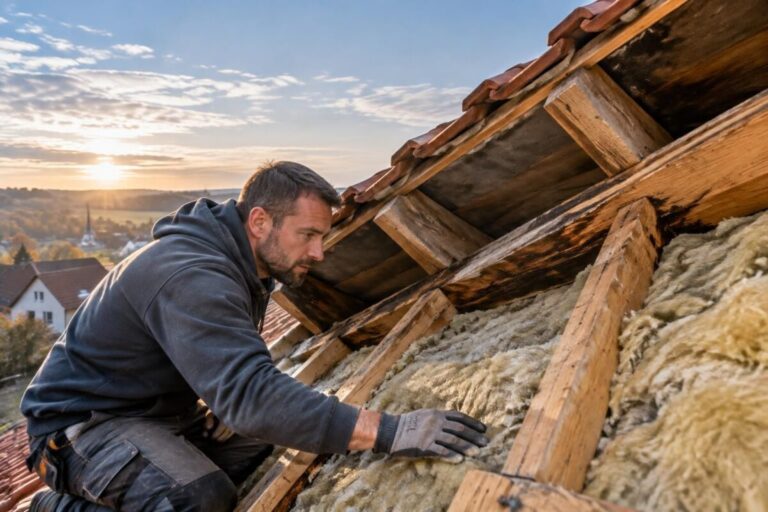
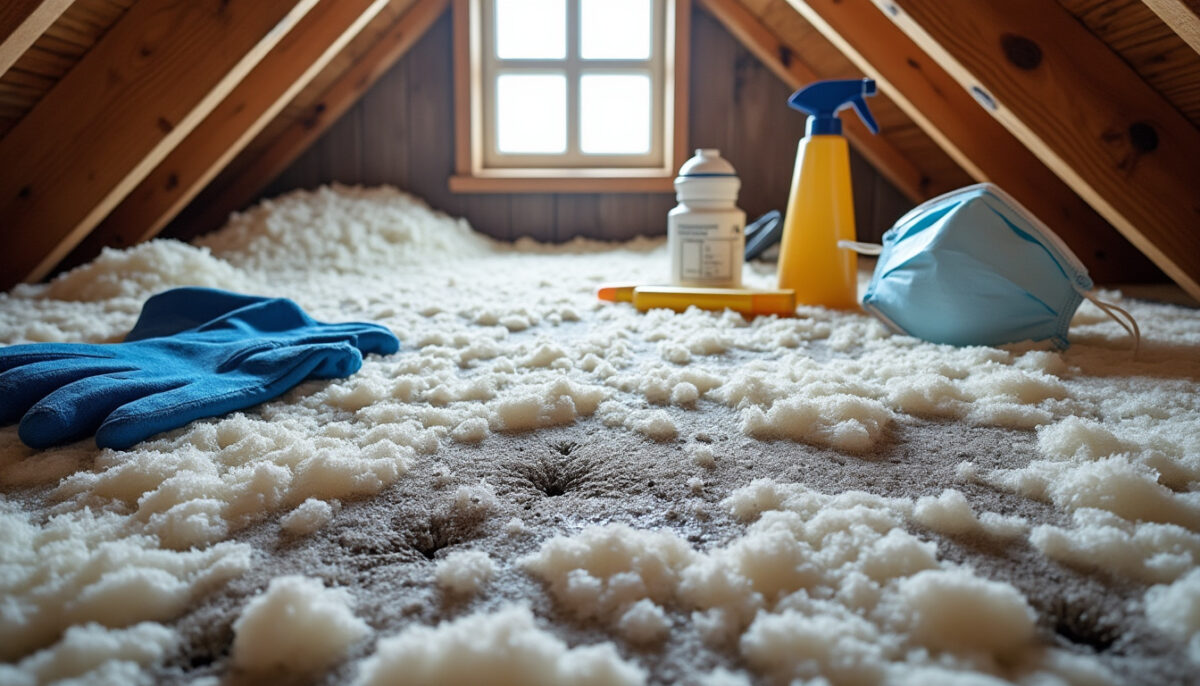
For wet glass wool, Isover recommends waiting for it to dry before deciding whether to replace it and not compressing it while it is damp. After it has dried, check its integrity, thickness, any facing, and the condition of nearby materials. Compressed, soiled, or deteriorated wool may need to be removed in the affected area; the extent of the work should not be determined by the smell alone.
Distinguishing rainwater from condensation
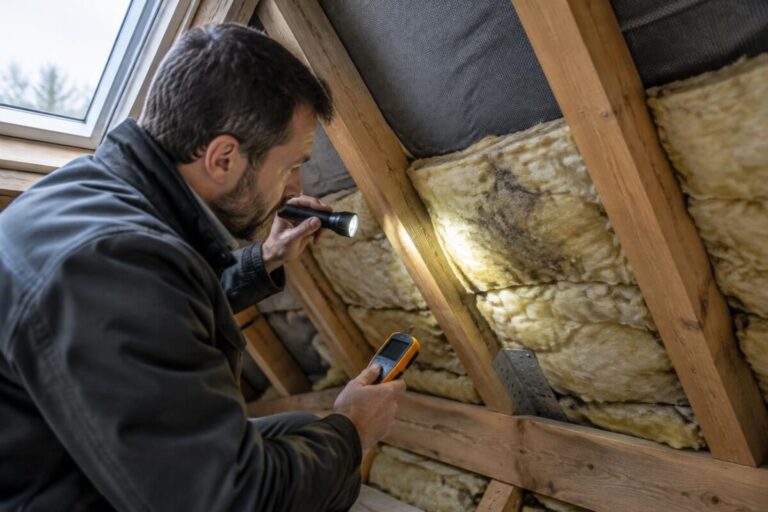
Example of information to prepare for the professional: when the problem started, the weather, where the marks are, photos, and the rooms below the attic. A mark that appears after rain may point to water infiltration; droplets on several cold surfaces may point to condensation. These clues do not replace a professional assessment, and both problems can occur at the same time.
Recommended 3-step process for restoring damp roof insulation
- Diagnose the source of the damp smell and identify the affected area
- Repair the water infiltration, using suitable materials and improving waterproofing
- Dry or replace the insulation wool according to its condition, while ensuring good ventilation
Compare quotes for repairing damp insulation
| Item to be quoted | Useful question | Why separate it |
|---|---|---|
| Assessment and stopping the water | What cause is being addressed? | To avoid replacing materials without fixing the source |
| Removal and disposal | What area and which materials? | To compare the same scope of work |
| Drying and new insulation | What checks will be done before closing everything up? | To specify insulation, membranes, and finishes |
There is no single price per square meter for damp insulation wool: access, removal, area, drying, fixing the cause, and finishing all affect the quote. Ask for a breakdown of these items, and only factor in financial assistance after checking that you are eligible.
Long-term tips to prevent the wool from getting wet again
Before carrying out any repairs, have the entire assembly checked: roof covering, underlay, insulation, interior-side membrane, and home ventilation. Adding a vapor barrier without knowing what layers are already in place could shift the problem elsewhere. To connect your insulation choices to the overall project, these guidelines for an energy-efficient and sustainable home can help you think it through.
Finally, don’t underestimate natural or mechanical attic ventilation: fresh, circulating air removes emerging moisture before it damages your materials. This is the key to maintaining roof insulation over the long term.
- Have the need for and compatibility of a vapor barrier with the existing layers checked (to understand its role)
- Have the ventilation paths designed for your roof checked (to better understand the issue of humid air)
- Schedule regular roof inspections
- Watch for persistent smells or suspicious stains in your insulation wool
- Choose durable insulation materials suited to your environment
Why does my insulation wool smell damp?
This is often due to water infiltration or condensation caused by insufficient attic ventilation.
Can I dry damp glass wool myself?
First, have the cause identified and stopped. Don’t press damp wool; the drying method and checks required before closing everything up depend on the assembly. Avoid using electrical equipment in an unsecured wet area.
When should insulation wool be replaced?
After the cause has been addressed and the materials have dried, have the integrity, thickness, and condition of the wool and supporting materials checked. A deteriorated section can be replaced without automatically deciding to remove all the roof insulation.
How can I prevent the moisture from coming back?
The cause must be addressed, the wall assembly checked, and the planned ventilation paths kept clear. An additional membrane is no substitute for repairing a leak or ventilating the home.
What budget should I plan for replacing damp insulation wool?
Ask for a quote that separates assessment, removal, disposal, drying, insulation, membranes, and finishes. Prices are only comparable if the scope of work and access conditions are the same.
Thanks for reading this far; Ivar