Thermal insulation: why does a leak return after repair?
Hi, it’s Ivar. A leak often returns because the repair sealed the visible mark without addressing its source: a faulty seal, damaged flashing, a displaced tile, or condensation beneath the roof. To prevent this, you need to trace the path of the water, fix the cause, and then check the waterproofing after the work is done. A simple repaint or application of sealant may hide the problem for a few weeks, but it won’t solve it. The right approach is to inspect the roof and attic before redoing the interior finishes.
Quick checklist:
- Photograph the damp patches and note how they change after it rains.
- Check the tiles, flashing, connections, and seals around roof windows.
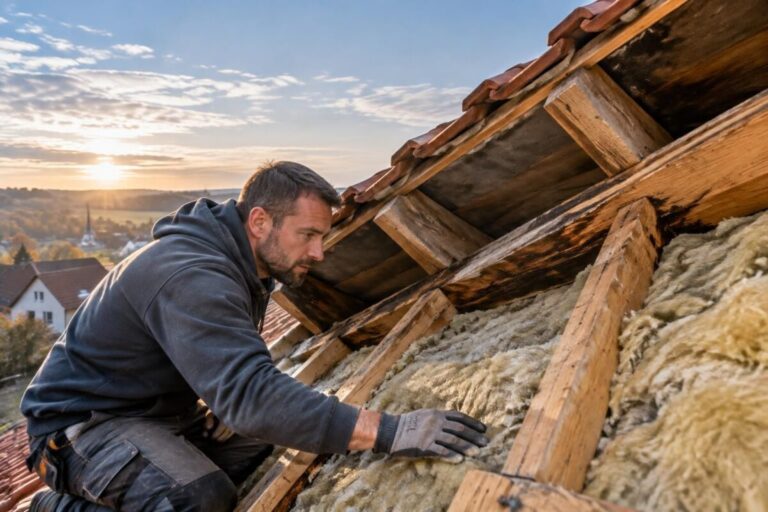
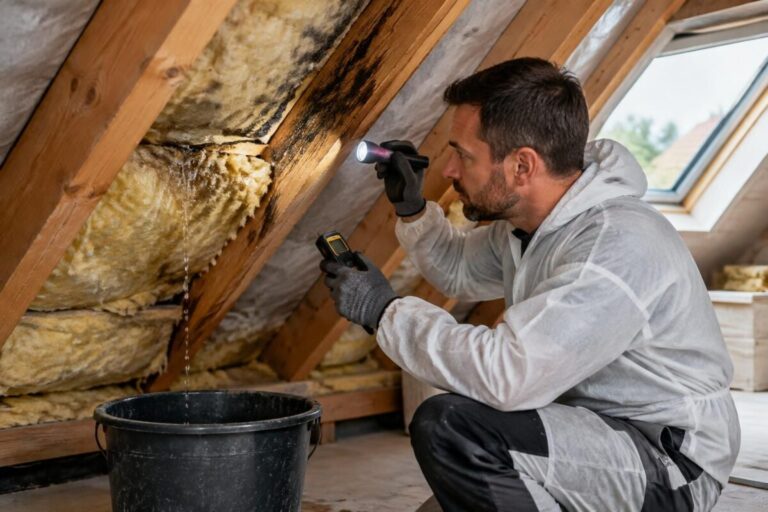
- Check whether the insulation in the attic is damp, compressed, or displaced.
- Make sure the roof’s air inlets and outlets are not blocked.
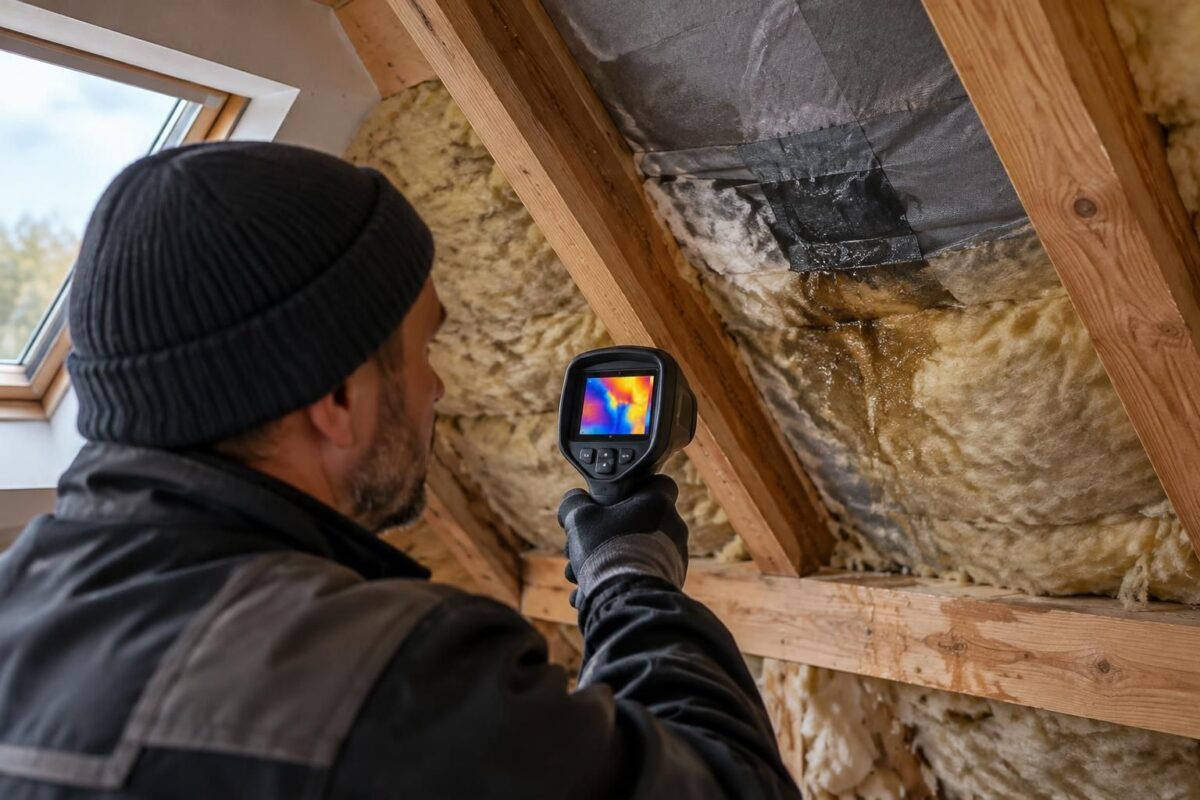
- Get a thermal assessment and a waterproofing inspection if the leak persists.
Why a leak returns after a roof repair
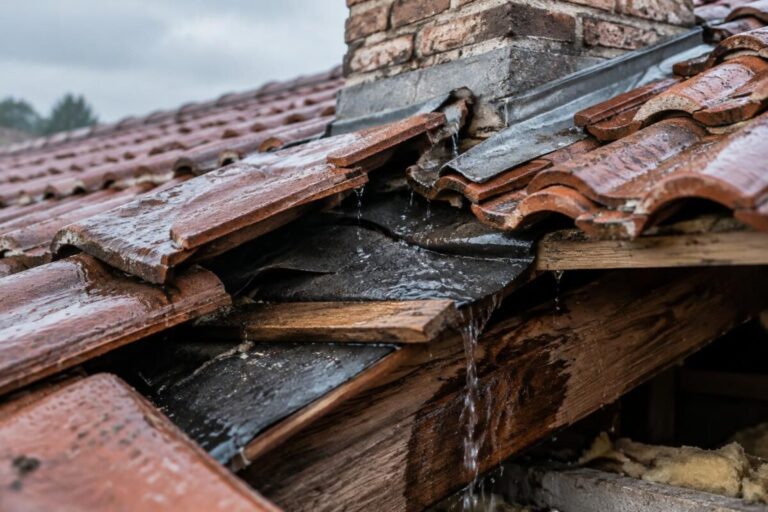
Water does not always take a straight path. It can enter near flashing, run beneath the tiles, and emerge several metres away, on the ceiling or behind the plasterboard. Repairing only the mark indoors leaves the route for water to enter open.
A faulty repair can also fail due to temperature changes, wind, or movement in the roof covering. Sealant applied to a damp or dusty surface will not adhere well; the defect often reappears the next time it rains.
The rule is simple: fix the cause before the mark. If the water is coming from a roof connection, the ceiling can be left to dry and repainted, but only after the connection has been repaired and the insulation checked.
Weak points to inspect first
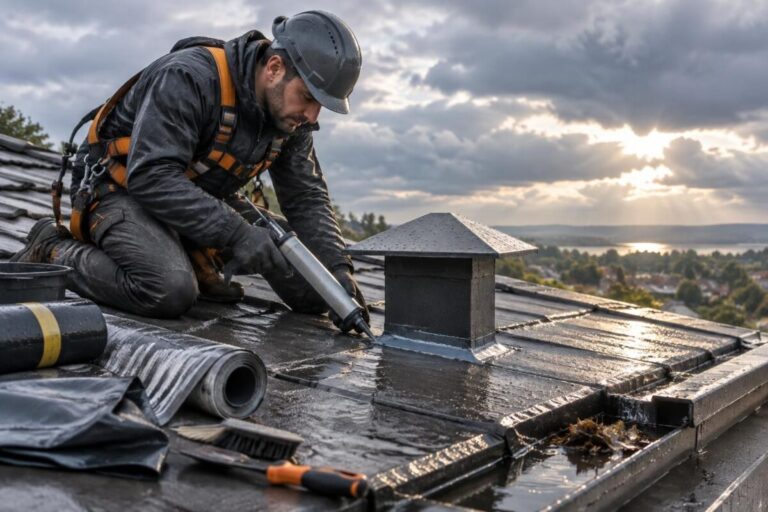
Connections around a chimney, roof window, or ventilation outlet are particularly exposed. A badly fitted screw, an ageing seal, or a cracked material can sometimes be enough to let a small amount of water in.
To better understand the possible damage, see the explanations about a badly fitted roofing screw and water accumulating beneath a sloping roof.
Thermal insulation, damp, and leaks: distinguishing the causes
A water stain does not always mean rain is coming through the roof. Poor ventilation can cause condensation: humid air cools when it comes into contact with a cold surface, and water then settles beneath the roof covering or on the insulation.
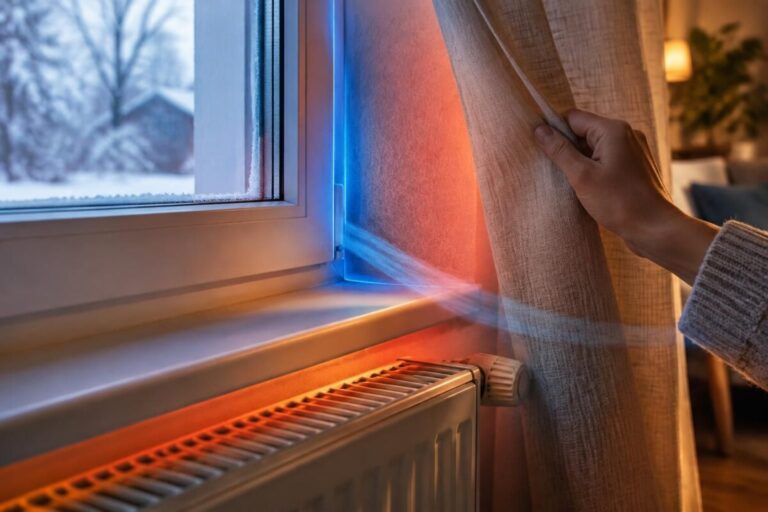
A thermal bridge around a window or joint can worsen this problem. The insulation then loses some of its effectiveness, while damp damages materials and encourages mould growth.
If the mark appears mainly after rain, first look for a leak. If it returns during cold weather when there has been no recent rain, check the ventilation, the continuity of the thermal insulation, and whether condensation is present.
If a stain gets larger after every shower, water is probably entering through the roof covering or a connection. If it appears mainly in a cold, damp room, poor ventilation or a thermal bridge should be investigated.
| What you observe | Possible cause | Useful check |
|---|---|---|
| Mark gets darker after rain | Water entering through a connection or damaged roof covering | Inspect the tiles, flashing, and seals |
| Drops beneath the roof in winter | Condensation or insufficient ventilation | Check the vents and air circulation |
| Cold area near a window | Thermal bridge or discontinuous insulation | Thermal assessment and installation check |
| Insulation is wet or compressed | Persistent leak or trapped moisture | Find the source before replacing it |
The right way to prevent a leak from returning
When a repair does not hold, it is better to revisit the diagnosis than to add another layer of sealant. A leak can be caused by a worn component, a poorly made connection, or insufficient ventilation; each cause requires a different fix.
- Find the source: inspect the roof covering, connections, and attic, then compare the marks with periods of rainfall. If the path of the water is still unclear, arrange for a professional inspection.
- Fix the cause: replace or reposition the damaged component, redo the connection using the appropriate method, and check that water can drain away without getting beneath the roof. Do not enclose insulation that is still damp.
- Check after the work: check the waterproofing, ventilation, and condition of the insulation after rain or an appropriate test. Then monitor the area for several weeks before redoing the finishes.
A short story often comes up on job sites: a stain is painted over, then reappears in the same spot. The exterior connection had never been inspected; the paint hid the sign, not the leak.
To act quickly without trapping water in the materials, here is some advice on what to do after a waterproofing problem. A leak behind the plasterboard can also remain hidden for a while: the signs are explained in this guide to water ingress behind plasterboard.
When to request a professional assessment
Call in a roofer if the leak persists after a repair, if several rooms are affected, or if the insulation is soaked. An inspection can also reveal air leaks around the connections, which reduce comfort even when no water is getting in.
A thermal assessment can help identify cold areas and gaps in insulation, but it does not replace an inspection of the roof covering. To understand the repair options, you can also read the advice on what to do when you discover a roof leak.
A lasting repair therefore combines a watertight roof covering, continuous insulation, and effective ventilation. Without all three, a leak or condensation may return.
Why does a leak return in the same spot?
The repair may have sealed the mark without eliminating the point where water gets in. Faulty flashing, a seal, or a tile may still be letting water through, which then emerges in the same spot.
Does a stain on the ceiling always mean there is a leak?
No. Insufficient ventilation can cause condensation, especially in cold weather. See whether the mark changes after rain, and have the attic, insulation, and vents checked.
Should wet insulation be replaced?
Not necessarily. First, you need to eliminate the cause and check how extensive the damage is. Very damp, misshapen, or degraded insulation often needs to be replaced after drying and checking the underlying surface.
How long should you monitor the roof after a repair?
Check the area after the first rainfall, then regularly for a few weeks. If a stain reappears, an odour persists, or dampness increases, request another inspection before redoing the finishes.
Thanks for reading this far; Ivar