Roofing materials: what defect causes recurring leaks?
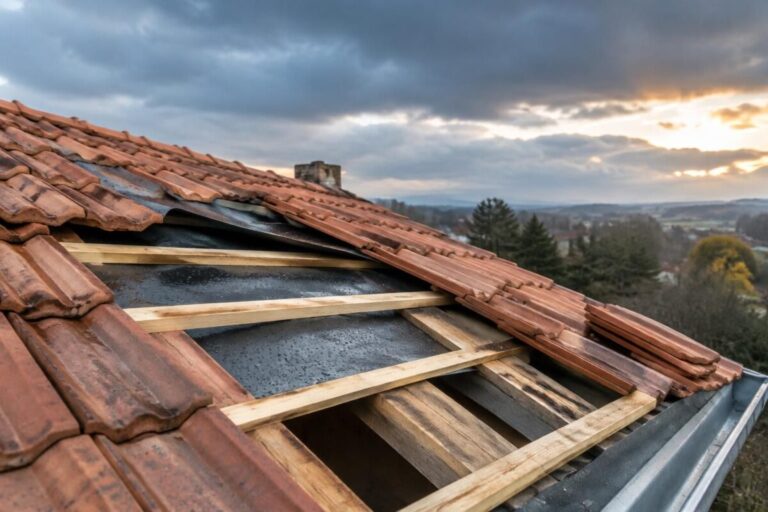
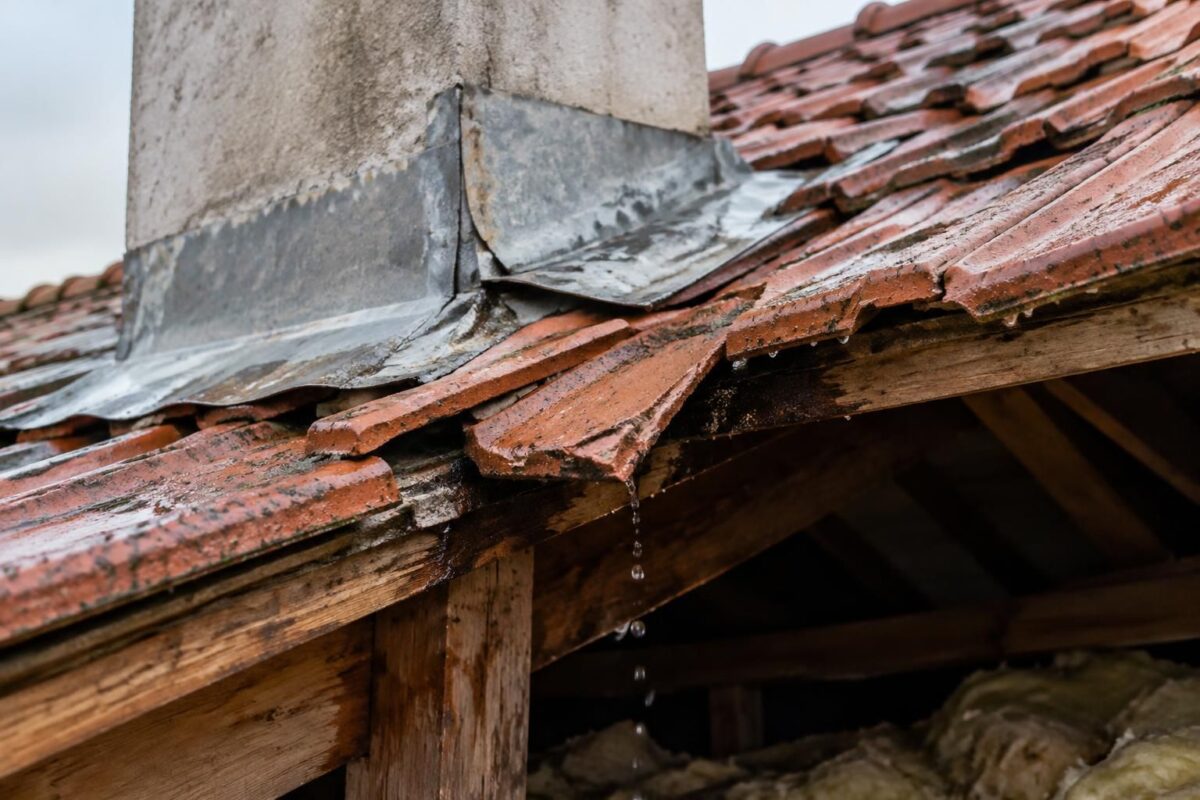
Hi, it’s Ivar. The fault that most often causes recurring leaks is a failure of the seals at the joints: defective flashing, worn seals, or poorly fitted joints around a chimney or roof window. A cracked tile can also let water in, but if the leak keeps coming back, you need to look for the weak point that wasn’t repaired properly.
Recurring roof leaks: weak points to check
A water stain on the ceiling doesn’t always indicate where the water is getting in. It can travel beneath the roof tiles, along a rafter, and then reappear farther away. In this article, I therefore start with the joints and the areas where different materials meet.
Quick checklist:
- Look for cracked tiles or displaced slate tiles from the ground using binoculars.
- Visually check the flashing around the chimney, pipes, and roof windows.
- Check the gutters: a blocked water outlet can cause water to overflow beneath the roof covering.
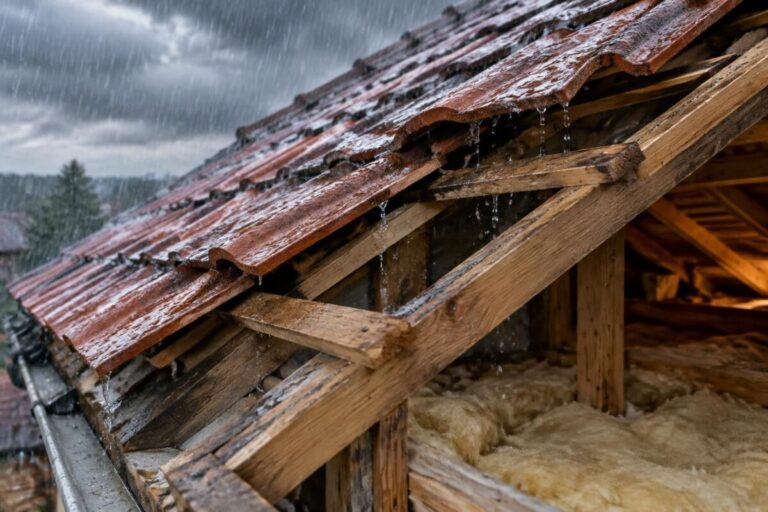
- In the attic, look for damp wood, dark marks, or compressed insulation.
- Note whether the stains appear after rain or persist even in dry weather.
The materials aren’t always the only thing to blame
As materials age, tiles, slate, seals, and fasteners become weaker. But repeated repairs in the same spot often point to a poorly designed joint, a damaged roofing membrane, or insufficient ventilation causing condensation.
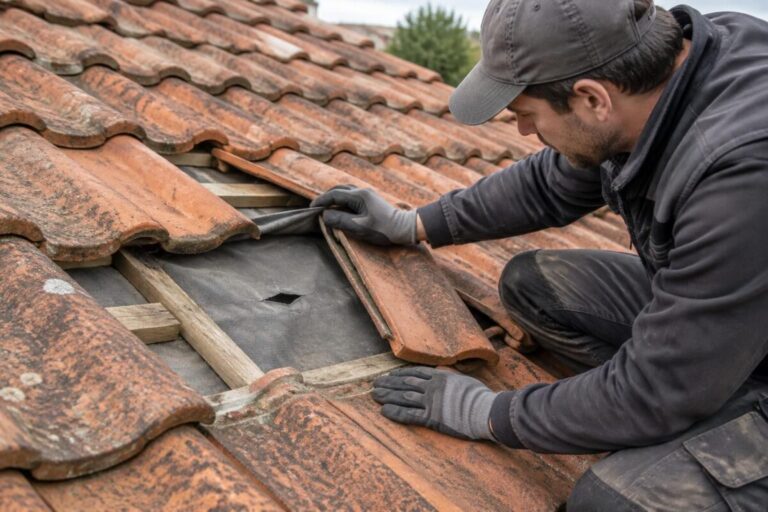
If just one tile is broken and the surrounding roof covering is in good condition, replacing it may be enough. If leaks appear on several different roof slopes, or the dampness returns despite repairs, have all the materials and waterproofing inspected.
A common mistake is to apply sealant to the visible stain without looking for where the water is getting in. The leak seems to be fixed, then reappears with the next heavy rain.
How to find the source of the water ingress
Look for the source without taking any risks on the roof. From the ground, binoculars can help you spot a missing tile, a shifted ridge, or debris in the gutters. In the attic, a flashlight can help you find signs of dampness on the roof framing and beneath the roof covering.
To tell a roof leak from condensation, look at how it relates to the weather. A stain that gets worse after rain points to water ingress; mist or droplets spread beneath the roof covering may instead indicate poor ventilation.
A simple rule: fix the entry point, not just the mark left by the water. To spot early signs, you can also check these tips for quickly detecting water ingress.
A three-step method to stop the leak from coming back
- Locate it: compare the marks in the attic with the visible condition of the roof covering, flashing, and gutters. Don’t climb onto a wet or steep roof.
- Address the cause: replace cracked materials, redo defective seals or joints, and clear the water outlet. A temporary repair is no substitute for a repair suited to the material.
- Protect it for the long term: check the underlay, ensure proper ventilation, and inspect the insulation to limit both water ingress and condensation.
If the repair involves a difficult joint or a flat roof, compare the options before doing any work: this guide explains why an improvised repair can cost more in the long run, particularly when it comes to roof waterproofing.
Spot repair or more extensive work?
Replacing a tile or repairing a small section of seal can take a few hours, depending on access and the material. As a rough guide, a simple repair often costs a few hundred euros; extensive waterproofing work can cost several thousand euros, depending on the area and the condition of the roof framing.
| Sign observed | Possible cause | Action to consider |
|---|---|---|
| A stain after heavy rain | Broken or displaced tile | Have the affected area inspected and replace the damaged material |
| Dampness around a chimney | Defective flashing or worn seals | Have a roofer redo the joint |
| Overflow at the edge of the roof | Blocked water outlet | Clean the gutters and downpipes |
| Scattered droplets in the attic | Condensation or insufficient ventilation | Check the ventilation and insulation |
| Leaks in several places | Aging materials or damaged roofing membrane | Request a full assessment |
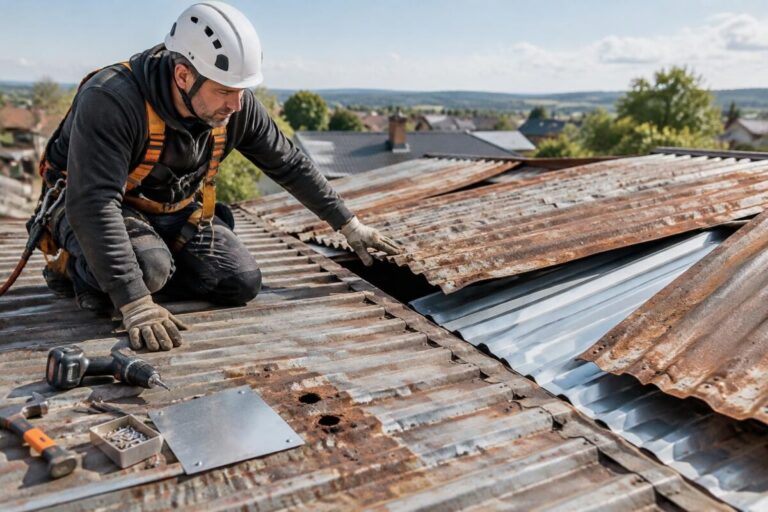
An active leak needs prompt attention: protect your belongings, collect the water, and take photos of the damage. For work at height, or repairs to flashing, a valley, or a ridge, it’s best to hire a roofer; a tarp or sealant is only a temporary measure.
Ventilation, insulation, and maintenance: protecting your roof for the long term
A durable roof needs to shed water and allow air to circulate. Proper ventilation limits condensation in the attic, while correctly installed insulation prevents cold spots where moisture can build up. After a leak, you should also check that the insulation isn’t wet or moldy.
Inspect the gutters in spring and fall, then check the roof covering from the ground after a storm. Periodic checks of the joints can often uncover a small defect before it turns into a recurring leak.
Frequently asked questions about roof defects
Why does a leak come back after a tile is replaced?
The tile may not have been the only cause. Worn flashing, a damaged membrane, a poorly fitted joint, or water traveling beneath the roof covering can allow the leak to continue.
How can you tell water ingress from condensation in the attic?
Water ingress is often linked to rainfall and leaves localized marks. Condensation can cause widespread dampness beneath the roof covering, especially when attic ventilation is inadequate.
Can you repair a roof leak yourself?
You can carefully clean an accessible gutter. For work on a pitched roof, flashing, a ridge, or a valley, call a professional to avoid a fall and an unsuitable repair.
When should you consider renovation rather than repair?
Recurring leaks in several places, very worn materials, or damp roof framing warrant a full assessment. A roofer can compare a targeted repair with more extensive work.
Thanks for reading this far; Ivar