Roof insulation: is a minor leak enough to ruin it?
Hi, it’s Ivar. Yes, even a small leak can damage the insulation, but it doesn’t necessarily ruin it: identify the cause, stop the water from coming in, and have the damp materials checked. The insulation can sometimes dry out and be kept if the dampness is limited and the area is ventilated quickly. If the water has penetrated deeply or mold appears, replacement is often necessary.
Quick checklist:
- Look for stains, drips, and musty smells in the attic.
- If possible, protect the contents of the room without climbing onto the roof.
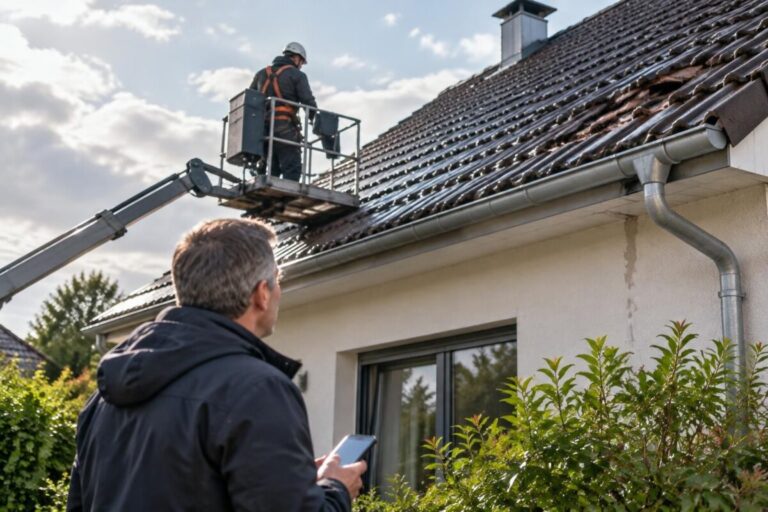
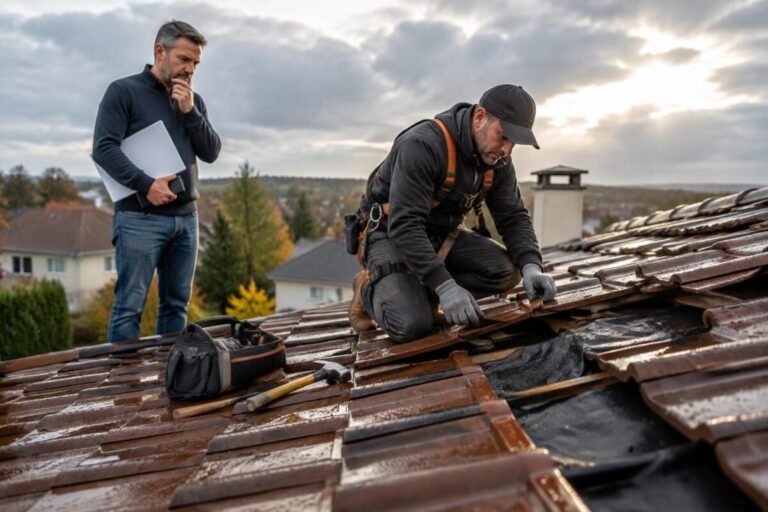
- Have a roof inspection carried out to locate the source of the leak.
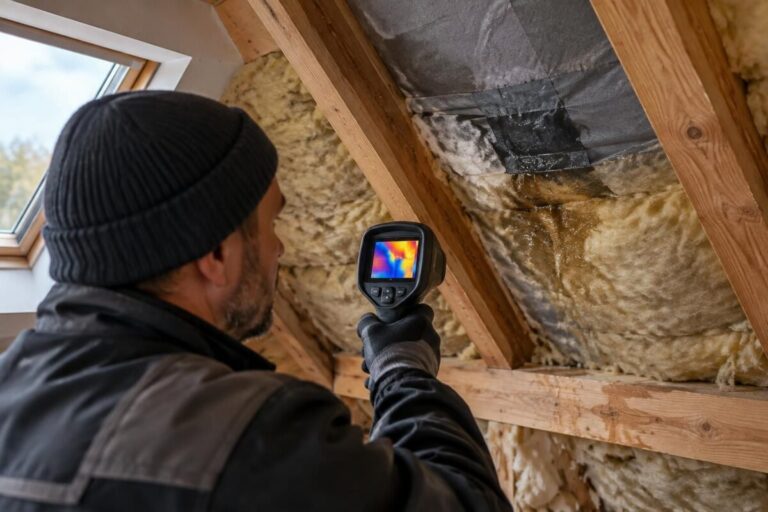
- Have the insulation and roof framing checked before closing up the walls.
- Then check the waterproofing and ventilation to prevent another leak.
Can a roof leak ruin the insulation?
A roof leak can significantly reduce the effectiveness of the insulation if water reaches it and stays there. The loss of thermal performance can sometimes make a room harder to heat, but the extent of the damage depends on the material, the amount of water, and how much time has passed.
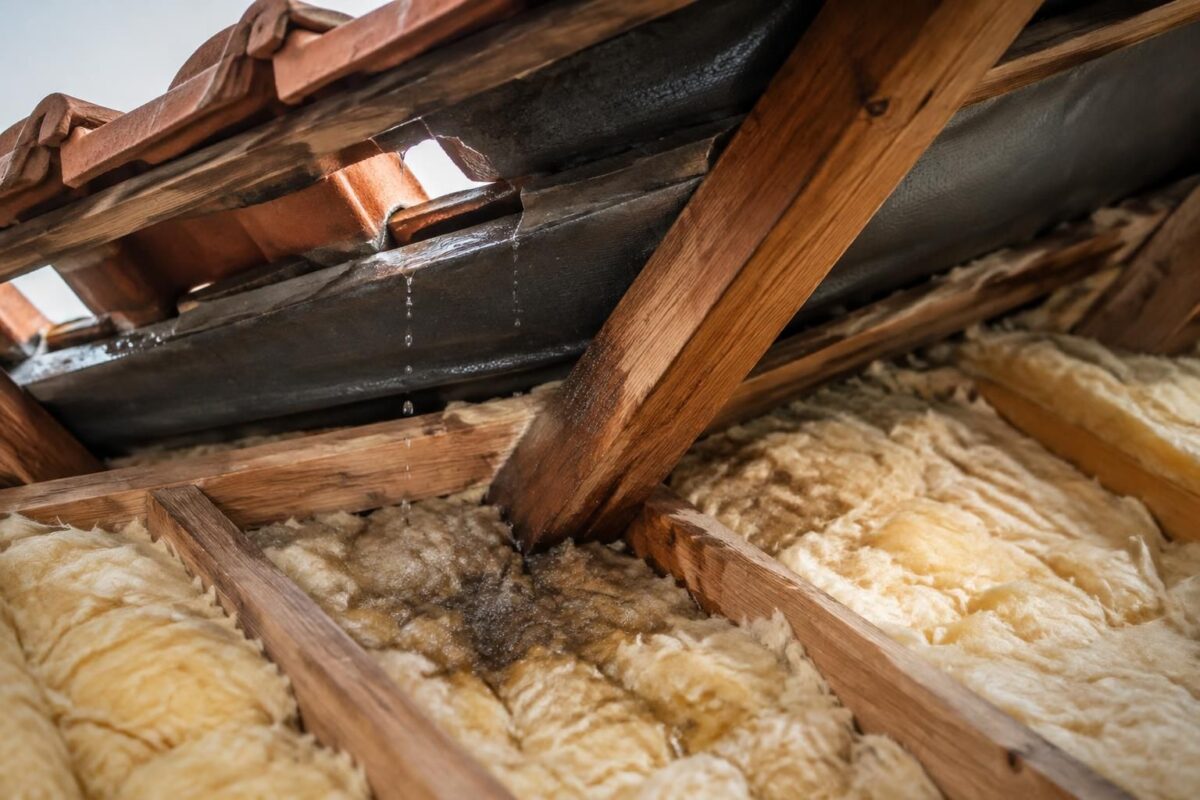
Water doesn’t always come out directly below the point where it entered. It can travel along a rafter, roofing underlayment, or joint, then appear farther away on the ceiling. So a small-looking water stain alone doesn’t tell you how far the dampness has spread.
The rule is simple: fix the cause first, then assess the insulation. Replacing damp insulation without repairing the roof is like putting a dry blanket under a tap that’s still leaking.
Signs to look out for in the attic
A musty smell, dark marks, or compressed insulation indicate that an inspection is needed. Mold beneath the roof can develop when dampness persists and air circulation is poor.
A common mistake is to rely only on the stain on the ceiling: water may have followed a beam before emerging. Checking the attic helps distinguish a wet area from a more widespread problem.
Damp insulation: dry it or replace it?
It all depends on its condition. Insulation that has only been slightly affected, and has neither lost its shape nor retained an odor, can sometimes dry out after the repair and with proper ventilation. Insulation that is saturated, compressed, soiled, or moldy generally needs to be removed, as its performance and safety may be compromised.
Not all materials react in the same way: mineral wool, rigid boards, and bio-based insulation do not absorb or dry in the same way. To better assess the situation, see these tips on damp roof insulation.
If only one area is affected and the roof is relatively new, a targeted repair is often enough. If leaks keep recurring in several places, the roof is aging, or the roof framing is affected, consider a broader assessment before deciding on a renovation.
Three steps to protect the insulation
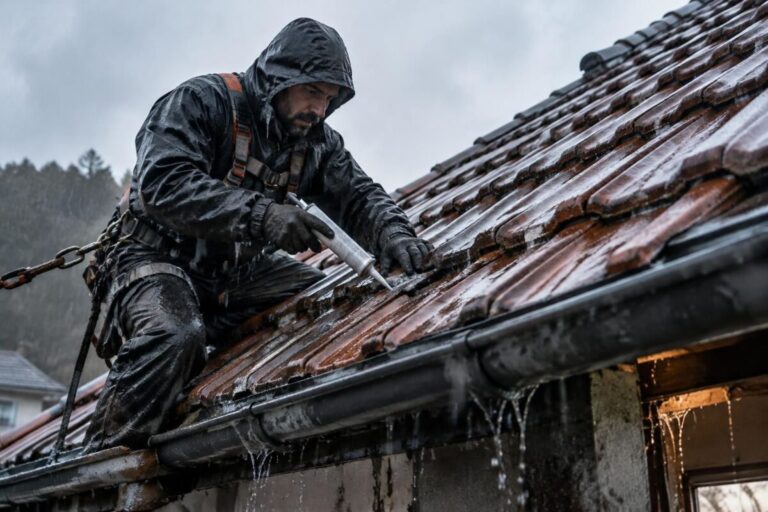
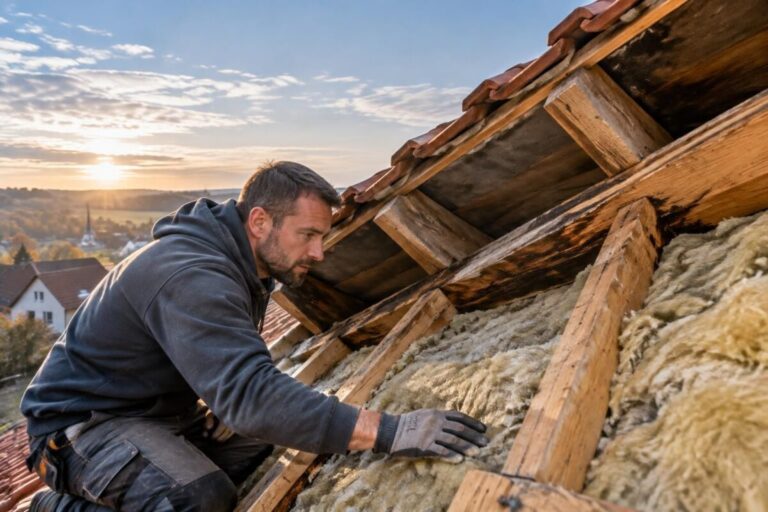
- Locate where the water is getting in. Note the visible signs and have the tiles, ridge, flashing, and joints checked. Don’t climb onto a wet or unstable roof.
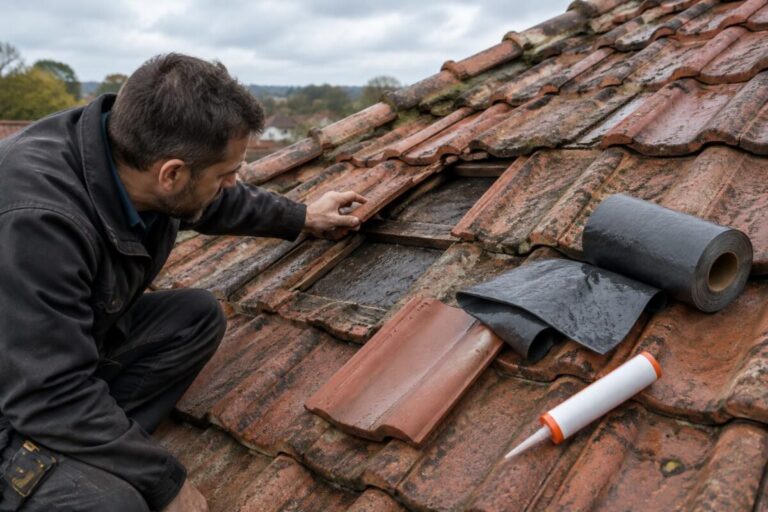
- Have the waterproofing repaired. A tarp can temporarily limit the damage if it can be put in place safely, but it’s no substitute for a lasting leak repair.
- Inspect and dry out the attic. Check the condition of the insulation, allow air to circulate, and replace damaged sections before closing up the walls.
After a leak at night, taking a few initial steps can limit damage indoors, as long as you stay safe. Here’s a list of steps to take after a nighttime leak; to avoid hiding the problem behind a panel, also check whether the leak has spread behind the drywall.
Ventilation, waterproofing, and materials: prevent another leak
Long-lasting roof insulation depends on several elements working together: a watertight roof covering, suitable roofing underlayment, a correctly installed vapor barrier, and adequate ventilation. If any of these elements is neglected, dampness can build up and weaken the materials.
When insulation is replaced, the choice of material should take into account the roof pitch, the attic layout, and the local climate. Careful installation is just as important as the product: joints and areas where ducts pass through are vulnerable spots.
If a one-off leak is repaired quickly, the insulation can sometimes be kept after inspection. If water comes in every time it rains or several areas are affected, have the entire roof covering inspected and consider replacing the affected insulation.
What work should be done, and how much will it cost?
Prices vary depending on access, the area, the materials, and the region. As a general guide, a small repair often costs around €150 to €500, while an inspection can cost about €100 to €300, depending on the situation. Roof replacement costs vary much more: the price depends in particular on the area and the type of roofing.
| Situation observed | Action often recommended | What to check |
|---|---|---|
| Broken tile, localized leak | Targeted repair | Condition of the surrounding components |
| Slightly damp insulation | Controlled drying if the material allows it | Residual dampness and odor |
| Compressed or moldy insulation | Removal and replacement of the affected area | Cause of the dampness and ventilation |
| Multiple leaks or worn roofing | Overall assessment, possible renovation | Roof framing, waterproofing, and total cost |
Compare two or three quotes and check the contractor’s insurance, including the ten-year warranty where it applies to the work concerned. The cheapest quote isn’t always the most suitable: ask what will be repaired, inspected, and replaced.
To learn more about the risk of water spreading, you can also read these guides on water beneath a sloping roof and ways to limit mold after a leak.
Frequently asked questions about roof leaks and insulation
Can a small leak damage the insulation?
Yes, if water reaches the insulation and stays there. A small leak does not necessarily mean everything needs to be replaced: the condition and extent of the affected area should be checked.
Does damp insulation always need to be replaced?
No. Slightly affected insulation can sometimes dry out, depending on the material and how long it was exposed. If it is compressed, soiled, moldy, or saturated, replacement is often preferable.
Can you wait before repairing a roof leak?
It’s best to act quickly. Water can travel through the roof and cause water damage, mold, or damage to the roof framing.
How can you prevent another leak?
Have the source of the leak repaired, then check the roof covering, joints, roofing underlayment, and attic ventilation.
Thanks for reading this far; Ivar