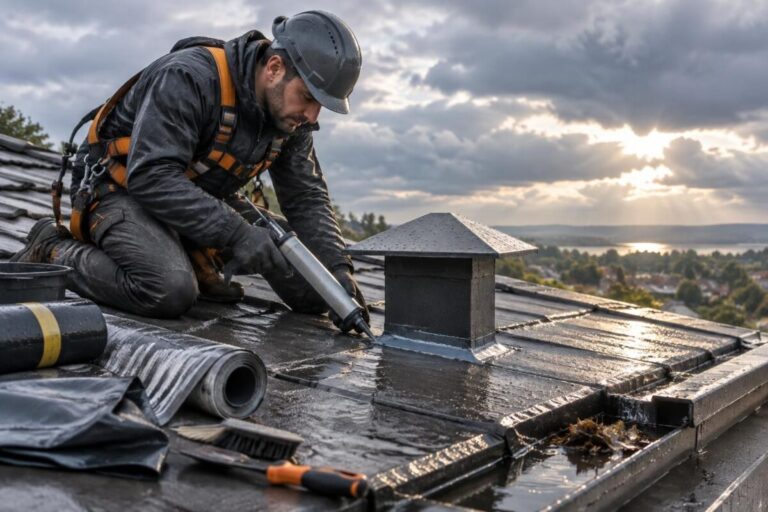
Roof Underlayment: Mandatory or an Underestimated Risk?
Hello, it’s Ivar.
Roof underlayment is not required for every home, but its absence can expose some roofs to water infiltration and wind.
It all depends on the type of roofing, the roof pitch, the exposure, and the requirements that apply to the project. When chosen well and installed correctly, an underlayment protects the roof structure without compromising roof ventilation.
Roof underlayment: assess the risks before starting work
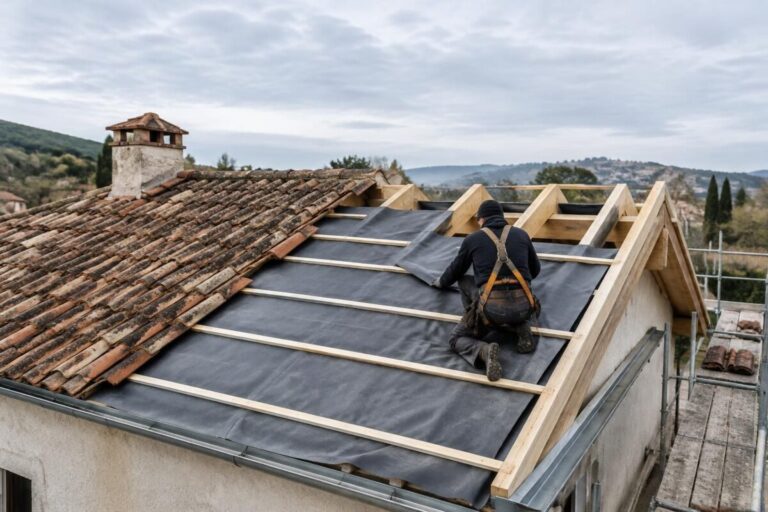
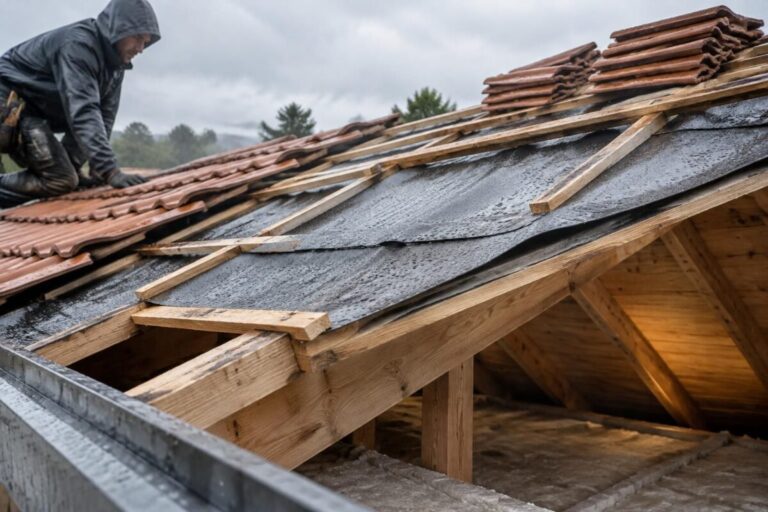
Roof underlayment, also called a roofing membrane, provides an additional layer of protection beneath the roofing materials. It helps limit the entry of wind-driven snow, dust, and water if a roof tile shifts, but it never replaces roofing that is in good condition.
Before deciding, check the requirements for the roofing system, technical documents, and local regulations. Roofing regulations do not make installation mandatory in every case: whether it is needed depends in particular on the roof configuration and the project’s specific requirements.
Good practices to follow
- Identify the type of roofing and its pitch : the requirements differ for roof tiles, slates, and metal roofing.
- Inspect the attic after rainfall : look for signs of damp, water stains, and discoloration around the rafters.
- Check the requirements for the installed system : consult the technical documents and ask a qualified roofer for advice.
- Maintain ventilation : an underlayment that is not properly coordinated with the air inlets and outlets can trap moisture beneath the roofing.
- Take the opportunity during renovations to inspect the roof structure : having the roof open makes repairs and installation easier.
To compare the consequences of insulating a roof without an underlayment, see this article on roof insulation without underlayment. If the underlayment is already missing, this guide to missing underlayment and its risks can help you assess the situation.
The pitfall: confusing underlayment with a watertight roof covering
Roof underlayment provides secondary protection. Depending on the product and how it is installed, it can channel a small amount of water that gets beneath the tiles toward the eaves, but it should not be used to compensate for cracked or poorly maintained roofing.
Its effectiveness also depends on the joints, overlaps, and management of water vapor. Improper installation can encourage condensation, while insufficient ventilation increases the risk of water infiltration and persistent damp.
What is roof underlayment for?
In strong winds, the underlayment helps protect against wind and limits the entry of wind-driven snow or dust. It also helps protect attic insulation and extend the life of the roof structure, provided the roofing, underlayment, and ventilation work well together.
Imagine a home exposed to gusts, where a few roof tiles shift over the seasons. A properly connected underlayment can reduce damage caused by water that occasionally gets through the roofing, but it does not make the roof invulnerable.
| Situation | What to check | Practical decision |
|---|---|---|
| New roof | System requirements, pitch, and exposure | Confirm with the roofer whether underlayment is required or recommended |
| Complete roof replacement | Condition of the roof structure and access beneath the roofing | Consider installing it while the roof is open |
| No underlayment, no visible leaks | Signs of damp, condition of the roof tiles, and ventilation | Have the risk assessed rather than assuming it is automatically an emergency |
| Water infiltration detected | Source of the water and any shifted or broken roofing materials | Repair the roofing first and address the damage |
A three-step process for making a decision
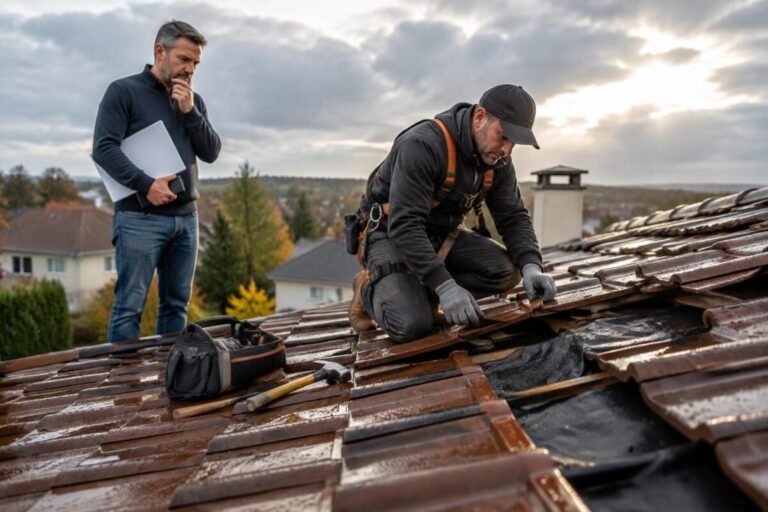
- Inspect the roof and attic. Note any shifted roof tiles, water stains, areas of condensation, and the condition of the wood. Inspecting after rainfall can help identify water entry points.
- Check the project requirements. Ask the roofer to check the pitch, type of roofing, manufacturer’s requirements, and local constraints. Whether installation is mandatory depends on the circumstances, not on a universal rule.
- Choose a compatible system. If you decide to install an underlayment, check its connections, drainage toward the eaves, and the planned airflow. The right choice protects the roof without trapping moisture.
Roof underlayment: answers to frequently asked questions
Is roof underlayment required everywhere?
No. Whether it is needed depends on the type of roofing, the pitch, the exposure, and the requirements that apply to the project. Have these factors checked before work begins.
Does roof underlayment stop all leaks?
No. It provides additional protection, but it does not replace watertight roofing. A broken tile or faulty joint must be repaired.
Can underlayment be installed without checking ventilation?
No. Roof ventilation and vapor management must be compatible with the chosen underlayment to limit condensation and damp.
Should underlayment be installed during a renovation?
It is often the most practical time, since the roofing is open. However, the roof configuration must be assessed and the requirements for the chosen system must be followed.
I hope you found these tips helpful. See you soon! — Ivar