Thermal insulation: does the film prevent a major heat loss?
Hello, Ivar here. Insulating film can reduce some heat loss through windows, but it is no substitute for complete thermal insulation, especially beneath the roof.
How effective it is depends on the type of film, the glazing, and how it is installed. To prevent significant heat loss, first identify where the heat is escaping.
Insulating film or complete insulation: which heat loss should you address?
Things to do right away
- Check for drafts around windows and doors.
- Check the condition of the seals and replace any that are damaged.
- Identify single-glazed windows, which are often more prone to heat loss.
- Check the insulation and ventilation in the attic.
- Choose a film suited to the glazing and follow the installation instructions carefully.
Window film can improve comfort near a cold window, while an underlay installed beneath the roof addresses different concerns. Before deciding, check in particular the risks associated with an HPV membrane and roof waterproofing, as well as the consequences of incorrectly installing the vapor barrier.
Thermoreflective film and glazing: targeted help
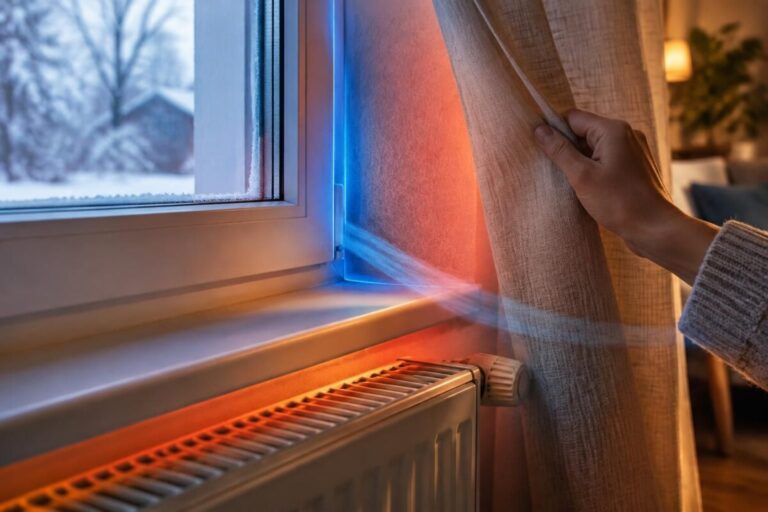
Thermoreflective film installed on a window can reflect some of the heat radiation. Depending on the model and the glazing, it may reduce the sensation of a cold surface, but the result varies with the window’s exposure, the quality of the installation, and the characteristics of the glass.
It should not be confused with thick insulation installed in the attic. Thin film cannot fix a poorly insulated roof or a significant air leak: its insulating performance is limited compared with complete insulation.
What film can improve—and what it cannot do
In a room with single glazing, a suitable film can reduce discomfort near the window. However, it does not turn the glazing into a high-performance window and, by itself, cannot guarantee substantial heating savings.
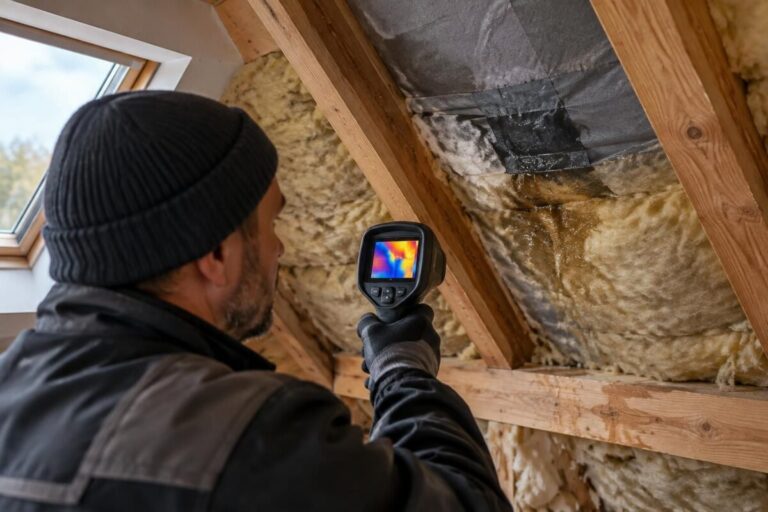
A simple example: in a house with poorly insulated attic space, applying film to a window may make the living-room corner more comfortable, but the main heat loss may still be through the roof. The right approach is to address the biggest sources of heat loss before making secondary improvements.
| Solution | Expected effect | Limitation to keep in mind |
|---|---|---|
| Window film | Reduces some heat transfer through the window | Does not replace high-performance glazing or wall insulation |
| Window seals | Reduce air infiltration | Do not address heat loss through the glass itself |
| Attic insulation | Addresses significant heat loss through the roof | Must maintain suitable ventilation and be installed continuously |
Window and roof insulation: compare before taking action
Window film targets a specific area; attic insulation covers a much larger surface in many cases. So, the right choice for improving energy efficiency depends on an assessment of the home, not on the promises printed on the packaging.
If the windows feel cold and the seals let air through, start there. If the ceiling is cold in winter or the attic is poorly protected, roof insulation generally deserves priority.
Léa’s case: address the right priority
Léa felt a draft near her living room and was thinking of buying window film. When she checked the windows, she found a seal that had come loose; an inspection of the attic also revealed a discontinuous layer of insulation.
Repairing the seal eliminated the draft, then correcting the attic insulation addressed a more widespread source of heat loss. Film would only have made sense as a supplement if the discomfort near the glazing persisted.
Installing insulating film: 3 useful steps
- Assess the window. Check the type of glazing, its condition, and the manufacturer’s instructions. Some films are not suitable for all types of glazing.
- Prepare and install it carefully. Clean the surface thoroughly, measure accurately, and apply the film without creases or bubbles. Poor installation reduces its effectiveness and can impair visibility.
- Monitor comfort and other sources of heat loss. After installation, check whether the feeling of cold has diminished. If it persists, inspect the seals, ventilation, and roof insulation rather than adding layers at random.
Anti-condensation film and roofing underlay do not serve the same purpose as window film. Ventilation and waterproofing must be appropriate for the materials to prevent moisture and preserve the durability of the insulation.
Frequently asked questions about insulating film
Is insulating film enough to insulate a house?
No. It can locally improve comfort near a window, but it does not replace attic or wall insulation, or high-performance glazing.
Does thermoreflective film reduce heating savings?
It can help limit some heat transfer through the glazing. Savings depend on the home, the film, and the quality of the installation; they are not guaranteed.
Can film be installed on all types of glazing?
No. Compatibility depends on the glazing and the product. Check the manufacturer’s recommendations, as an unsuitable film can cause thermal stress or damage the glass.
What should you check before installing film?
Inspect the seals, the type of glazing, and for signs of condensation. Also check for heat loss through the roof: window film cannot fix inadequate attic insulation.
Thanks for reading! If this topic resonates with you, share your experience in the comments. — Ivar