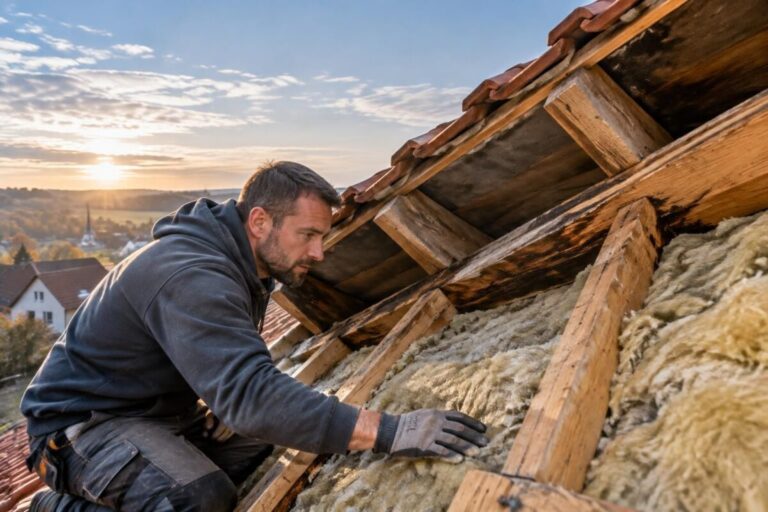
Roof insulation: without an underlay, is the renovation worth less?
Hello, it’s Ivar.
No: the absence of a roofing underlay does not automatically reduce the value of a renovation, but it does require technical precautions and can affect the assessment of the roof’s condition.
A well-designed roof insulation system limits heat loss without trapping moisture in the roof structure. The right choice depends on the condition of the roof covering, ventilation, and how the attic will be used.
What to do right away
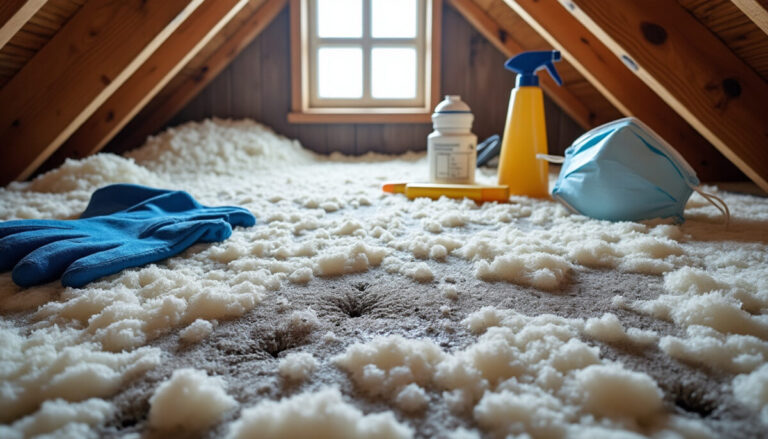
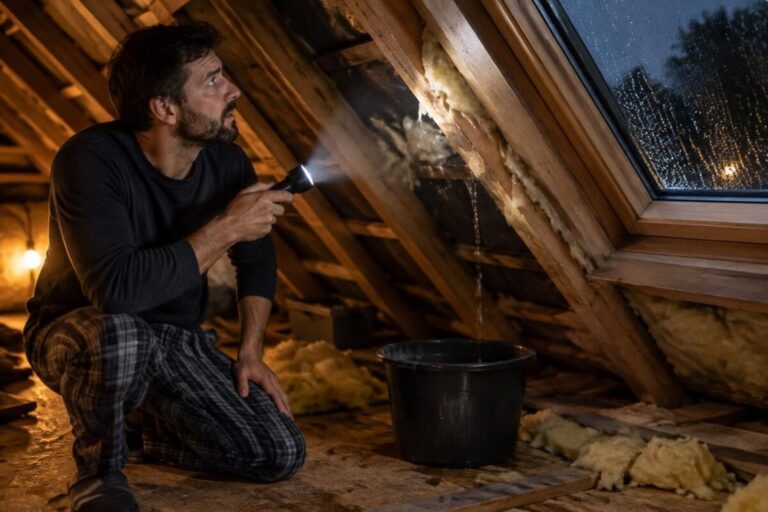
- Inspect the roof covering and attic for signs of water, mold, or damaged wood.
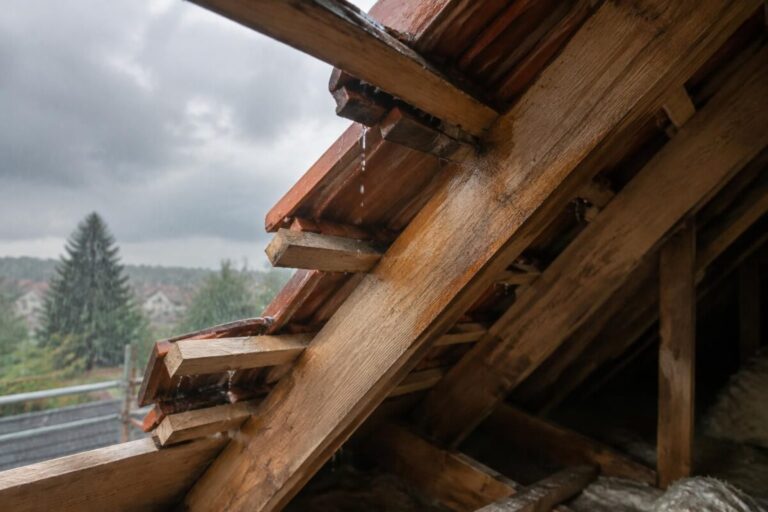
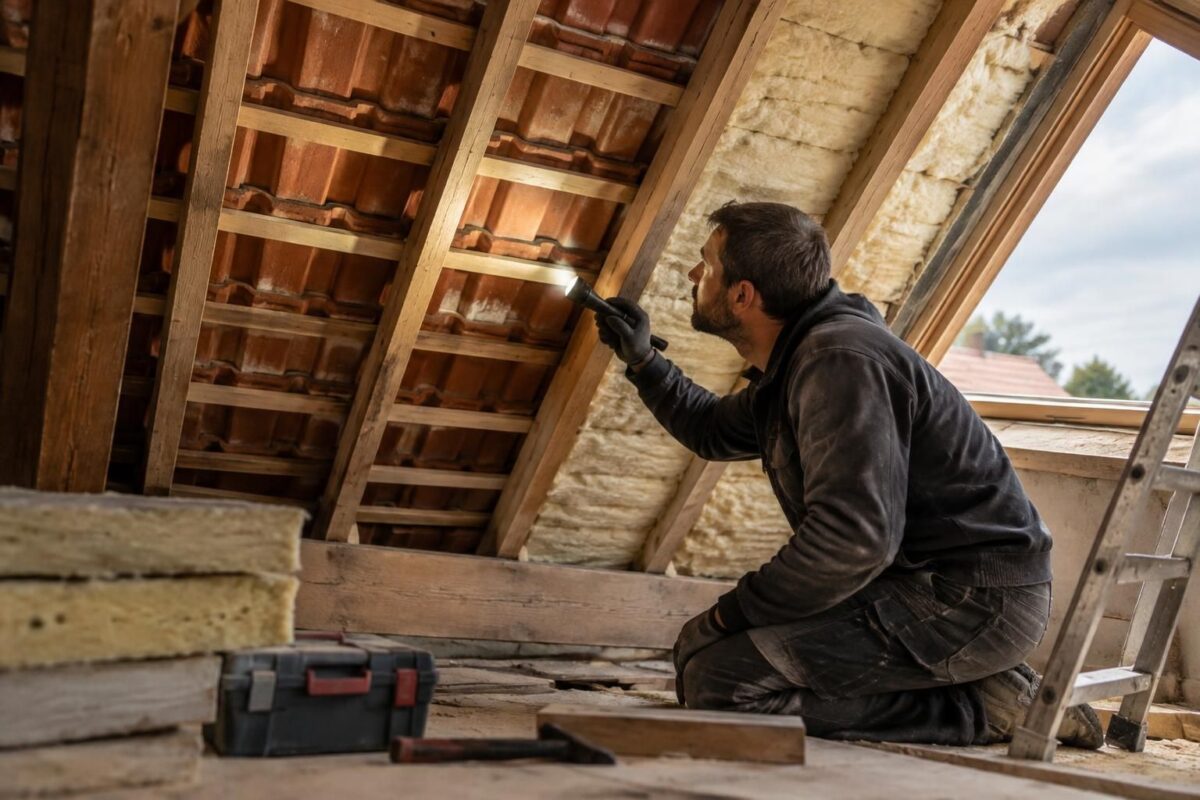
- Check whether a roofing underlay is present: from the attic, if you can see the roof tiles directly, it generally means there is no underlay.
- Have the ventilation checked before installing insulation between the rafters.
- Choose a solution suited to how the attic will be used and the roof’s configuration.
- Ask a professional to assess the roof before estimating renovation costs.
To understand when a roofing underlay membrane becomes essential, you need to consider the roof covering, the climate, and how exposed the home is. Roof ventilation matters just as much: an underlay protects against water ingress, but poor design can also trap moisture.
Roof without an underlay: how does it affect renovation and property value?
Installed beneath the roof tiles or slates, a roofing underlay limits the accidental entry of rain, wind-driven snow, and dust. It does not replace the roof covering, but it provides useful additional protection for the roof structure and insulation.
Its absence alone does not reduce a property’s value. However, an aging roof, water ingress, or poorly installed insulation can worry a buyer and make renovation work more urgent.
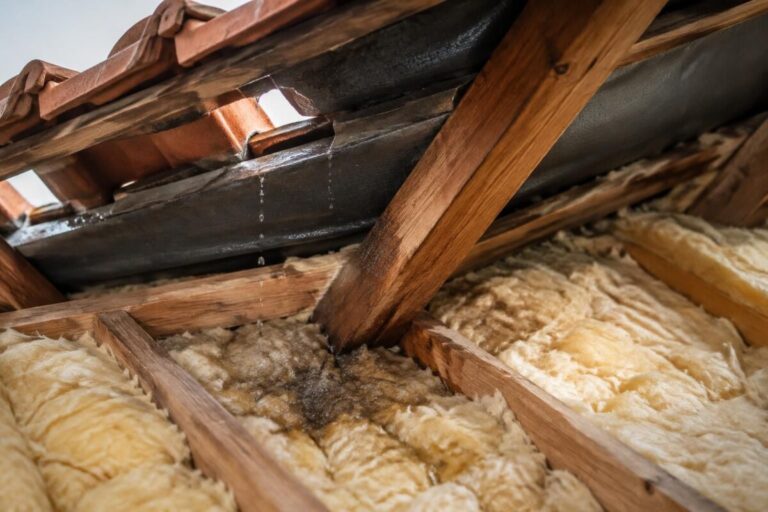
Imagine a house with an insulated attic, but old signs of moisture are visible near a rafter. The problem is not simply the lack of an underlay: it is the uncertainty about where the water came from and the condition of the wood. A documented inspection provides more reassurance than a renovation that has simply been covered with insulation.
The answer differs depending on whether the attic is unused or converted
If the attic will remain unused, insulating its floor may be a suitable option. The insulation is then set back from the roof covering, reducing its exposure to water ingress while allowing the attic to remain unheated.
If you are converting the attic, insulating the roof slopes is necessary to create a comfortable room. Without an underlay, the project requires a thorough check of the ventilation, roof watertightness, and moisture vapor management.
| Situation | Solution to consider | Point to watch |
|---|---|---|
| Unused, unheated attic | Insulate the attic floor | Check for leaks and do not block roof ventilation |
| Converted attic, roof covering in good condition | Insulate beneath the roof slopes after an assessment | Maintain the air gap specified in the design and install a suitable membrane on the interior side |
| Roof covering due to be replaced soon | Consider installing an underlay during the re-roofing | Coordinate the insulation with the roof renovation |
So the best option is not always to add an underlay right away. If the roof covering is nearing the end of its useful life, adding one during the re-roofing can avoid paying twice for access and removal of the roof tiles.
Thermal insulation without an underlay: avoid moisture problems
Without an underlay, insulation is less protected if a roof tile breaks or wind drives water beneath the roof covering. You should also avoid letting it touch the roof covering directly when the configuration requires a ventilated air gap.
An air gap of at least 2 cm is often recommended in traditional configurations without an underlay, but installation depends on the type of roof and the applicable requirements. The gap must be continuous and must not be blocked by insulation. A professional will also check how air enters at the bottom of the slope and exits near the ridge.
On the interior side, a water vapor control membrane and carefully installed airtightness layer can limit vapor migration into the insulation. This membrane does not replace a roofing underlay: one mainly controls moisture coming from inside the home, while the other helps protect the roof against water from outside.
In converted attics, cellulose insulation can help improve summer comfort thanks to its thermal time lag. For unused attics, blown-in mineral wool can achieve a high thermal resistance; a level of around R 7 m²·K/W is often targeted for this type of floor, depending on the project and current requirements. No insulation should be considered capable of withstanding repeated water ingress.
Signs that mean work should be put on hold
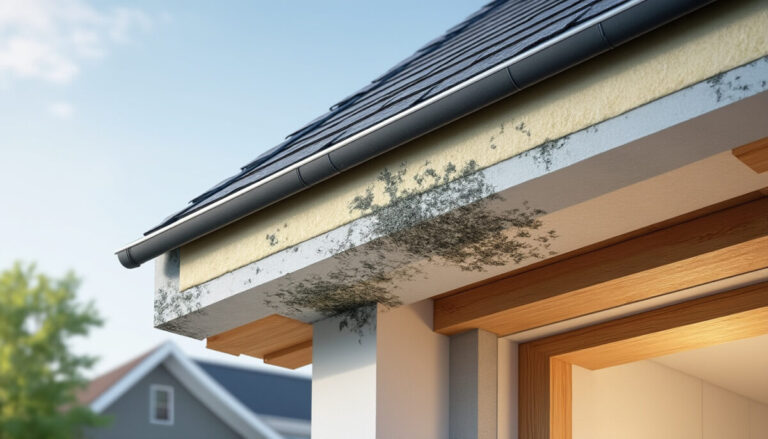
- Water marks, stains, or a persistent musty smell.
- Rafters that are soft, blackened, or visibly warped.
- Displaced or broken roof tiles and uncontrolled air leaks.
- Insulation that is already damp or compressed, which may reduce its performance.
Covering up these signs without addressing their cause means hiding the problem behind a new layer. The priority is to check the roof covering and fix any issues before insulating.
Three steps to renovating a roof without an underlay
- Assess the condition of the roof. Have the roof tiles, junctions, roof structure, and any signs of water ingress inspected. The assessment helps determine whether the roof covering is simply old or whether the roof needs repairs.
- Choose the right area to insulate. If the attic will not be heated, compare insulating the floor with insulating the roof slopes. For a converted room, have the ventilation, required air gap, and interior membrane specified according to the roof’s construction.
- Plan for lasting protection. If the roof covering needs to be replaced, consider installing a suitable underlay at the same time. Request several detailed quotes and check the contractors’ qualifications and the eligibility requirements for available grants.
Grants such as MaPrimeRénov’ or CEE energy-saving certificates depend on the criteria in force when the work is carried out and on the type of work. An RGE-certified contractor can advise you on the schemes available, but the technical feasibility must be established before you rely on a grant.
Frequently asked questions about insulating a roof without an underlay
Can insulation be installed directly beneath the roof tiles?
Do not install insulation against the roof tiles or battens without checking the roof design. In many configurations without an underlay, a ventilated gap must be maintained; a professional should confirm the requirements for the roof.
Does a vapor barrier replace a roofing underlay?
No. A membrane on the interior side limits the passage of water vapor from inside the home and helps provide airtightness. A roofing underlay instead protects the exterior side of the insulation and the roof structure against certain forms of water and wind ingress.
Does the absence of an underlay automatically reduce property value?
No. It does not automatically cause a loss in value. The condition of the roof covering, water ingress, insulation quality, and clear records of the work carried out have a greater bearing on the property’s assessment.
Which insulation should you choose when there is no underlay?
The choice depends on how the attic will be used and the roof’s construction. Moisture resistance, summer comfort, ventilation, and ease of installation should all be considered together; no material eliminates the need to repair a leak.
I hope you found these tips useful. See you soon! — Ivar