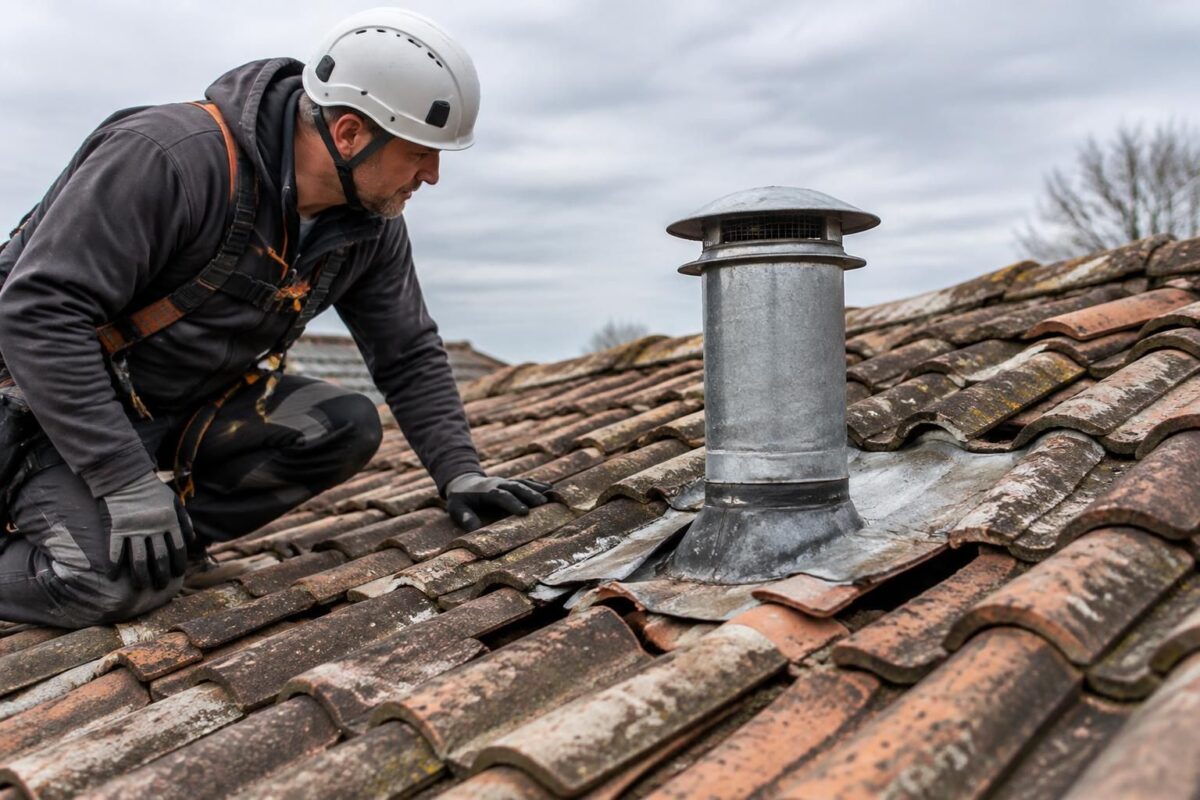
Roof ventilation: Can it worsen an already fragile roof?
Hi, it’s Ivar. Yes, poorly installed ventilation can make a fragile roof worse; have the roof covering and waterproofing checked before adding an opening. When properly designed, roof ventilation removes moisture and protects the roof structure, but it won’t repair a cracked tile or an existing leak. In my article, the key point is simple: the right system lets air circulate without creating a new path for water to get in.
Fragile roof: checks to make before adding ventilation
- Look for damaged, displaced, or missing tiles from the ground, without climbing onto the roof.
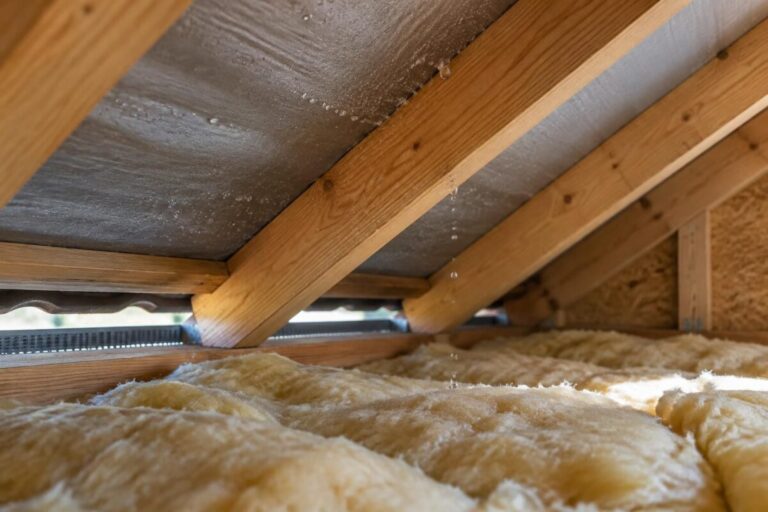
- Check the attic: stains, a musty smell, or damp insulation indicate an issue that needs investigating.
- Make sure the low-level air inlets and high-level outlets are not blocked.
- Have the joints and the roof waterproofing around chimneys, windows, and vents checked.
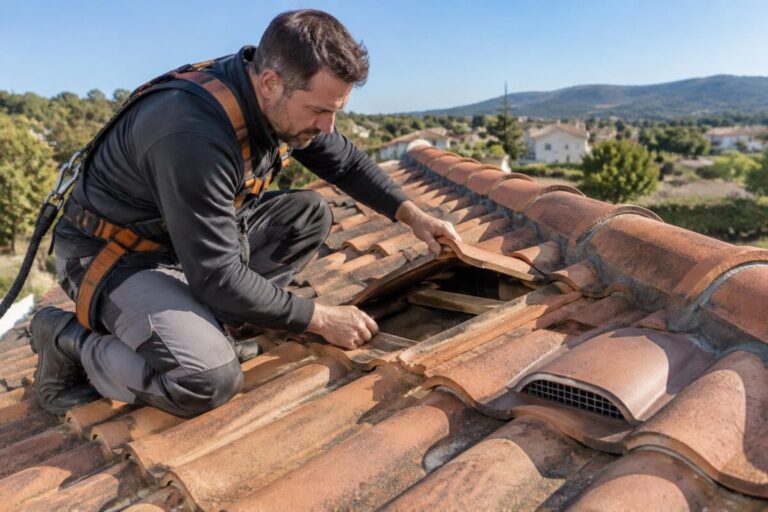
- Ask for a roof inspection before cutting into the roof or installing a roof vent.
An opening added without an inspection could cut through a roof covering that is already cracked or poorly supported. Rain can then seep in through the joint, turning the fix into a new source of damage.
When roof ventilation makes problems worse
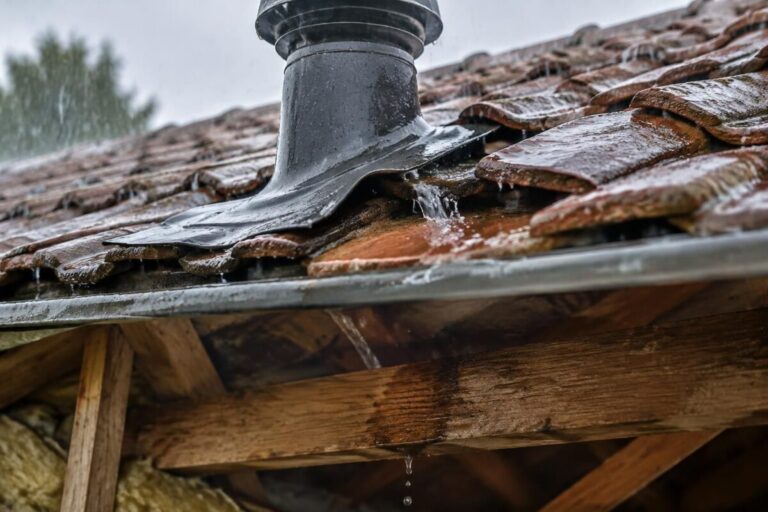
The risk rarely comes from airflow itself. It usually arises when installation weakens a tile, pierces a membrane without a suitable seal, or leaves a gap around the unit. An inadequately protected inlet can also let in rain driven by the wind.
A common mistake is installing a roof vent on an old roof covering to deal with water stains, without checking their cause. However, condensation beneath the roof can look like a leak, while a broken tile causes a different kind of water ingress. To tell the difference, see these guides to condensation that looks like a leak and to a poorly installed ventilation outlet.
If the roof covering is sound but the air is stagnant, properly sized low-level inlets and high-level outlets can help limit moisture. If the timbers are already soft or several tiles are loose, repair the roof covering first: adding an extractor won’t strengthen the structure.
Signs that can help you choose the right course of action
| Observation | Possible cause | Prudent action |
|---|---|---|
| Widespread dampness, with no obvious point of entry | Insufficient ventilation or condensation | Check the insulation, air inlets, and outlets |
| A localized mark after rain | Displaced tile, faulty joint, or water ingress | Have the roof covering inspected before installing anything |
| Warped timber or damp insulation | Established damage, sometimes hidden | Have a roofer assess the extent of the damage |
Protecting the roof structure: airflow without leaks
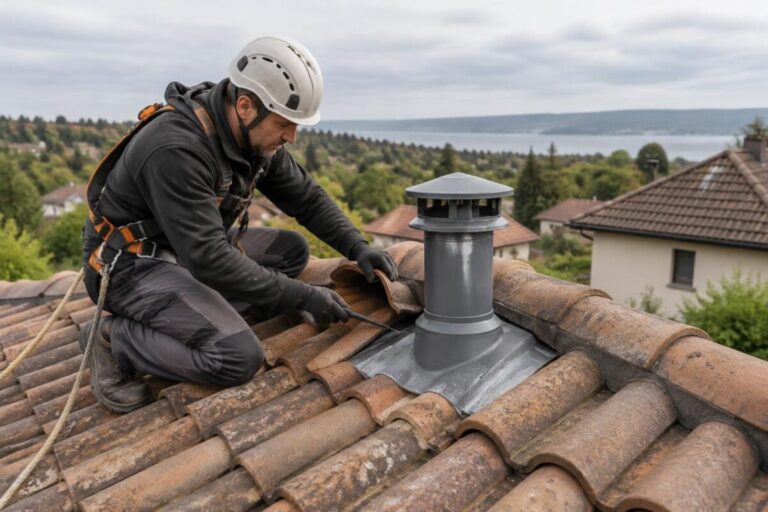
Good airflow generally follows a continuous path: air enters at the bottom of the roof slope and exits near the ridge. Roof vents, ventilated ridge systems, or vent tiles can help create this airflow, depending on the roof design and attic type. The number and placement of openings must be calculated for the specific configuration, not chosen at random.
Ventilation is no substitute for insulation or a vapor barrier. If humid indoor air passes through the insulation, moisture can condense on cold surfaces and contribute to damage to the roof structure. “Air should get out; rain should stay out” is the rule to keep in mind.
To understand cases where water is caused by another problem, here are some more tips on what to check before looking for a leak. A professional will check the underlay, joints, and existing ventilation devices before recommending any changes.
A simple three-step approach
- Inspect: look for damaged tiles, signs of damp, and blocked air inlets. Don’t walk on a fragile roof covering.
- Repair: first fix defective tiles, joints, or roof structure components to restore the roof covering to good condition.
- Ventilate: have the air inlets and outlets properly sized, then make sure each joint protects against rain and pests.
A roofer can also check the technical requirements appropriate for the roofing material and roof configuration. This is particularly useful for converted attics, flat roofs, or old roof coverings, where the path of airflow is less obvious.
Useful questions about ventilation for a fragile roof
Can ventilation cause water ingress?
Yes, if the unit is poorly installed, if its joint is defective, or if the opening weakens a roof covering that is already damaged. Installation must preserve the roof’s waterproofing.
Should an old roof still be ventilated?
Air circulation is still useful, but the condition of the roof covering must be checked before adding equipment. Repair defective tiles and joints first.
How can you tell condensation from a leak?
Condensation often affects several areas and can appear in cold weather, whereas a leak is sometimes localized and linked to rain. An on-site inspection can help confirm the cause.
Is one roof vent enough to ventilate the attic?
Not always. The requirements depend on the area, roof pitch, insulation, and openings already in place. The sizing should be checked to avoid areas of stagnant air.
Thanks for reading this far; Ivar