Roof waterproofing: which repair finally prevents the problem from recurring?
Hi, it’s Ivar. To prevent the leak from returning, have the cause identified and then repair the affected assembly: the membrane, connections, or drainage, replacing the insulation as well if it is wet. A simple bead of sealant often hides the path the water takes without stopping it. The method depends on the type of roof and the condition of the materials.
What to do now:
- Look for stains, blisters, musty odors, and active drips.
- From the ground, inspect the tiles, flashing, and gutters without climbing onto the roof.
- Have the upstands, roof joints, and drainage checked.
- Ask for a leak inspection before choosing the work to be done.
- Make sure the estimate includes drying or replacing the affected insulation.
Roof waterproofing: fix the cause, not just the mark
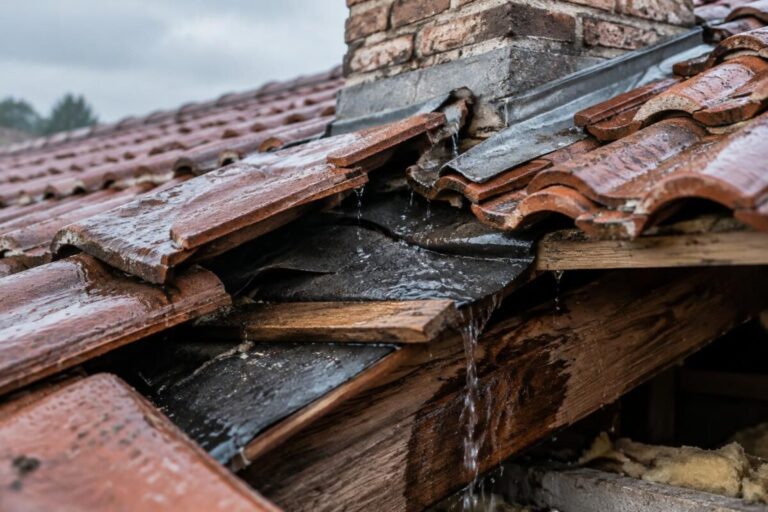
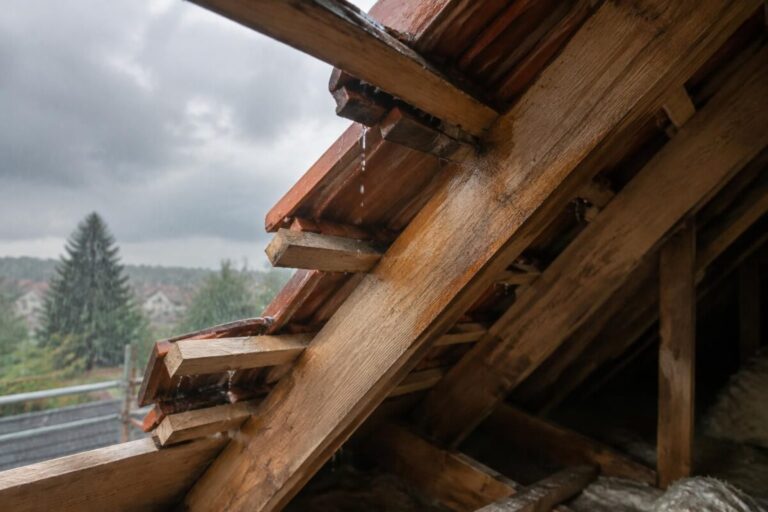
A lasting repair starts with a diagnosis. On a pitched roof, water can get in beneath a displaced tile, through worn flashing, or through a damaged underlay. On a terrace, a cracked membrane, an upstand that is too low, or a blocked drain are common suspects.
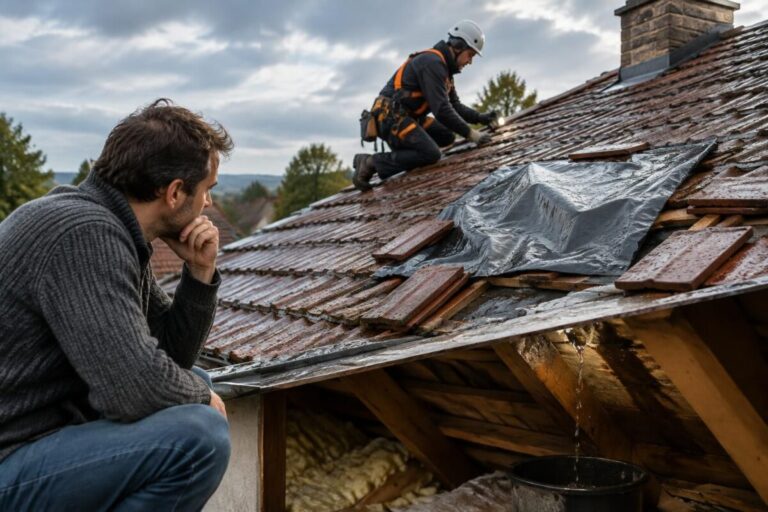
If water is coming in during rain, protect the room, move belongings away, and switch off the electricity in the area if necessary. Never climb onto a wet roof: a temporary repair is not worth a fall.
“A leak must be repaired where it enters, not where it shows up.” Water can travel several metres beneath the roof covering before staining a ceiling.
Pitched or flat roof: two different repairs
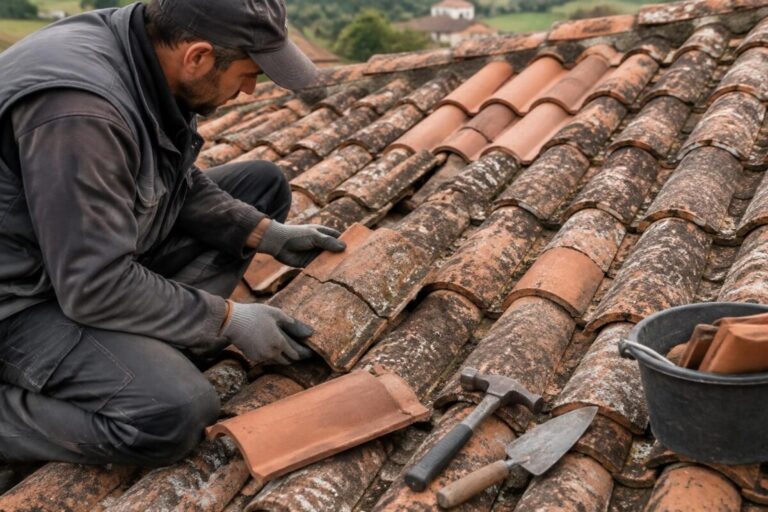
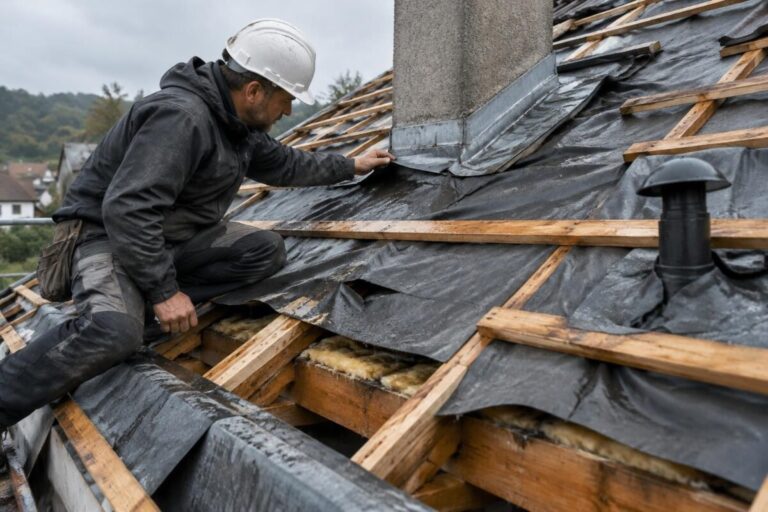
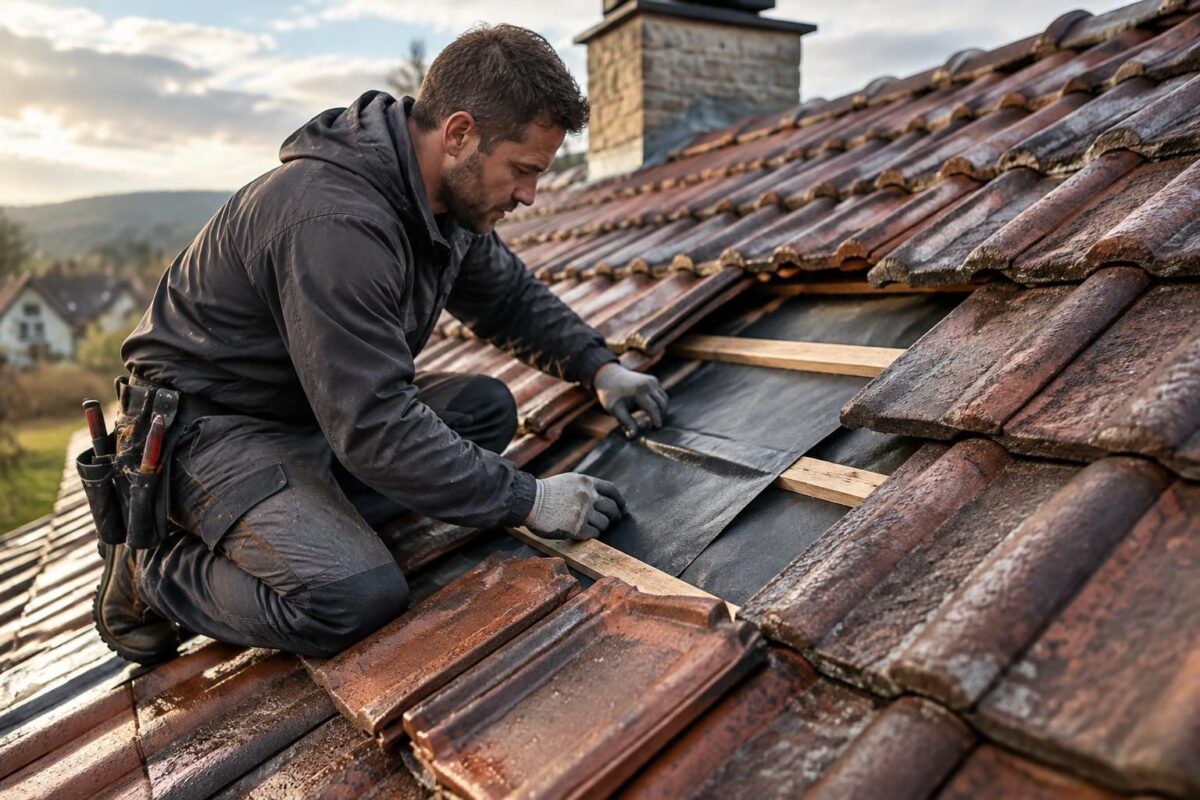
On a roof covered with tiles or slate, broken or displaced pieces must be replaced and the affected connections repaired. Where present, the underlay provides a second layer of protection; it does not replace a properly installed roof covering.
On a flat roof, the waterproofing membrane must remain continuous, and water must be able to reach the drains. A complete renovation of a flat roof terrace often costs around €45 to €85 per m², including installation, depending on the material and the circumstances.
If a tile is missing but the underlay and insulation are dry, a local replacement and a check of the connections may be enough. If the membrane has come unstuck over a large area or the insulation is soaked, more extensive repairs, including drying and replacing damaged components, are often needed.
Signs that indicate a roof leak
A roof leak does not always reveal itself through dripping water. A brown stain, blistering paint, a persistent odor, or damp insulation in the attic can indicate an established water intrusion.
A common mistake is to repaint the ceiling before checking the roof. The mark disappears for a while, but moisture remains in the insulation or wood and can encourage mold and deterioration.
If the ceiling is deforming or water is dripping heavily, leave the room and contact a professional promptly. To find out what to do without making the situation worse, see the advice on patching a roof in the rain.
Three steps to a lasting waterproofing repair
- Locate the source: have the roof covering, connections, drains, and, if necessary, the attic inspected. The repair must target where the water enters, not just the stain indoors.
- Repair the affected assembly: replace damaged tiles or repair the defective membrane and joints. If the insulation has got wet, have it assessed for drying or replacement before closing everything up.
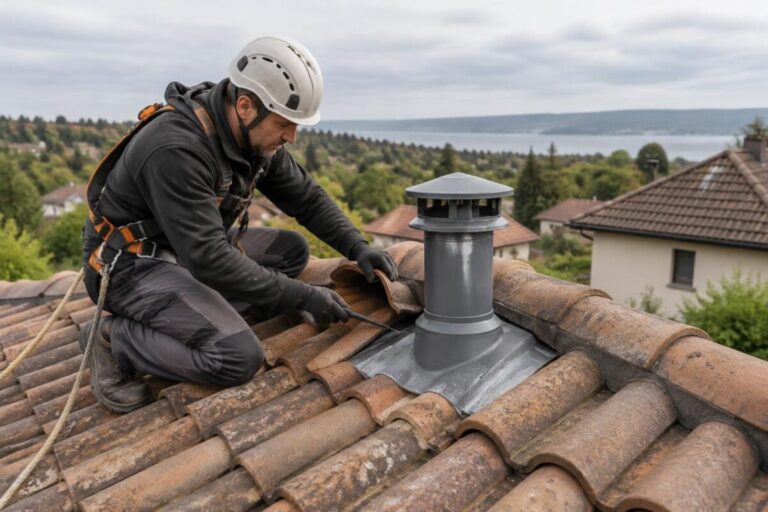
- Check drainage and airflow: check the slopes, downspouts, and attic ventilation. Good ventilation limits condensation; however, it does not replace waterproofing.
A roofer can also check the ventilation before closing up the roof: why you should check roof ventilation explains this often-overlooked point. A well-insulated roof must also allow indoor moisture to escape, with suitable ventilation and a vapor barrier that is compatible with the installed system.
Materials and budget: choose according to the roof
For a flat roof, EPDM is flexible and withstands temperature changes well; PVC is heat-welded; and two-ply bitumen is common and relatively easy to repair. The choice also depends on how the terrace is used, its substrate, and the quality of the installation.
| Solution | Typical use | Typical installed price | What to check |
|---|---|---|---|
| EPDM | Flat roof or terrace | Approximately €45 to €85/m² | Connections and upstands |
| PVC | Flat roof | Approximately €45 to €85/m² | Welds and product compatibility |
| Two-ply bitumen | Flat roof or terrace | Approximately €40 to €75/m² | Continuity of the membrane sheets and protection |
| Tiles or slate | Pitched roof | Varies depending on the area to be repaired | Underlay, flashing, and displaced pieces |
A local repair may cost a few hundred euros, while extensive renovation can run into several thousand, depending on the area and hidden damage. Ask for an estimate that itemizes leak detection, materials, labor, and insulation treatment.
Preventing water intrusion: maintenance that avoids repeat repairs
Preventing water intrusion involves regularly checking gutters, downspouts, and flat-roof drains. Cleaning them in spring and fall helps prevent blockages that cause water to collect near connections.
After a storm, inspect the tiles, ridge tiles, and flashing from the ground. Thick moss, displaced pieces, or a puddle that remains on a terrace warrant an inspection; a surface treatment will not repair a punctured membrane.
To compare options without confusing a quick fix with a permanent solution, read the methods for stopping a leak. Regular roof maintenance generally costs less than an emergency callout and helps extend the life of the materials.
Frequently asked questions about waterproofing repairs
Which repair is most effective at preventing a leak from returning?
One that addresses the cause after an inspection: repairing the connections or membrane, correcting the drainage, then drying or replacing the damp insulation if necessary.
Can you repair a flat roof membrane yourself?
A small repair may seem simple, but material compatibility and substrate preparation are very important. For a membrane that has come unstuck, a persistent leak, or dangerous access, call in a professional.
Is a water-repellent treatment enough to stop water intrusion?
No, not if water is entering through a broken tile, an open joint, or a punctured membrane. A water-repellent treatment can protect some materials at the surface, but it does not replace repairing the defect.
When should insulation be replaced after a leak?
Have it assessed if it is wet, compressed, contaminated by mold, or has lost its properties. First, the water entry must be stopped, and any components being kept must be allowed to dry properly.
Thanks for reading this far; Ivar