Roof ventilation: does the underlay protect but also trap moisture?
Hello, Ivar here. Yes: a roofing underlay protects against the elements, but poorly designed ventilation can trap moisture in the roof.
It all depends on the balance between water tightness, vapor permeability, and air circulation. The underlay alone is not the cause of the damage: it is mainly poorly assembled layers that create the trap.
Good practices to follow
- Identify the type of underlay installed and check its instructions: not all underlays are installed in the same way.
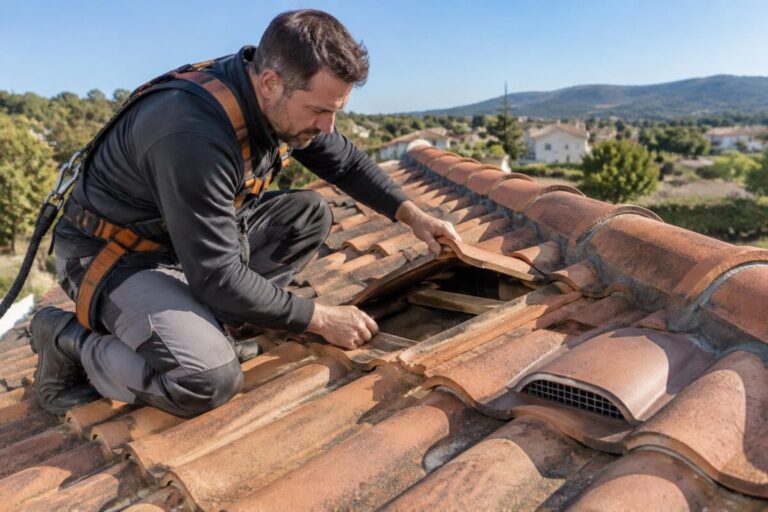
- Do not block the air inlets and outlets provided beneath the roof covering.
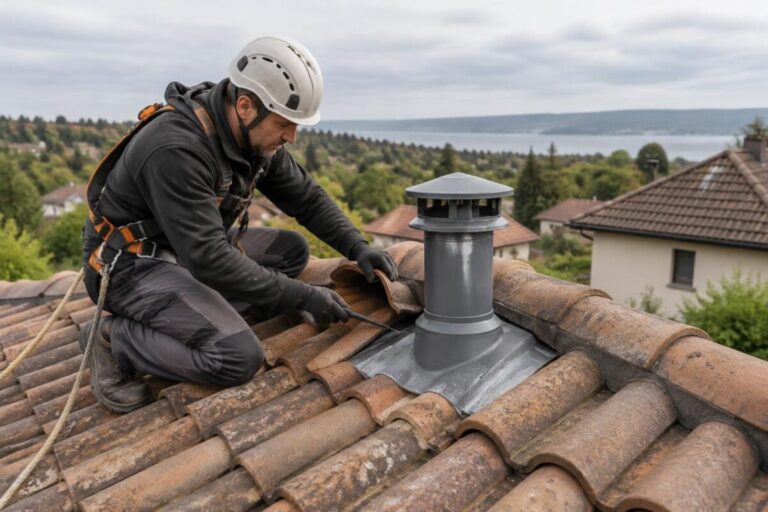
- Check the connections around roof windows, chimneys, and penetrations.
- Check that the vapor barrier is continuous on the interior side, especially at the joints.
- Look for signs of moisture in the attic: persistent odors, stained wood, or damp insulation.
To distinguish the functions of the different layers, also read this article on the underlay, insulation, and vapor barrier, then this overview of air circulation beneath the roof.
The risk: a roof that keeps out the rain but is damp inside
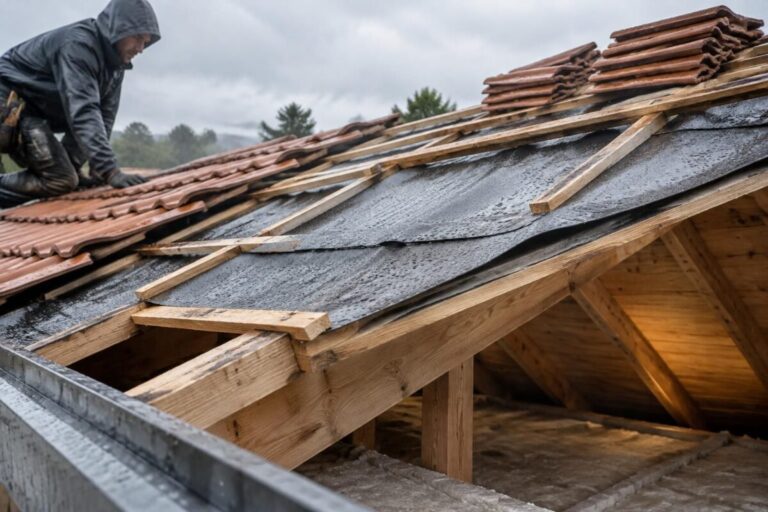
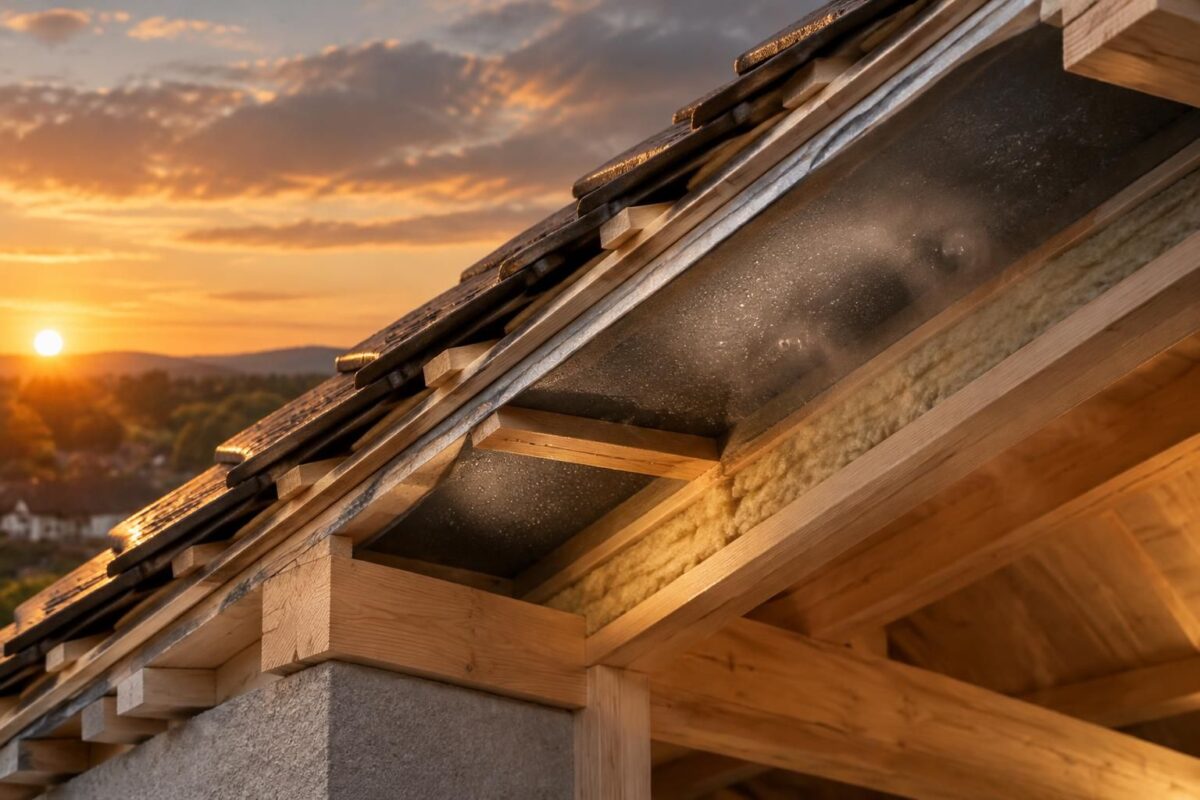
The roofing underlay provides protection against the elements: it helps drain water that gets beneath the tiles and limits the entry of dust or windblown snow. But it does not replace either the roof covering or ventilation designed for the roofing system.
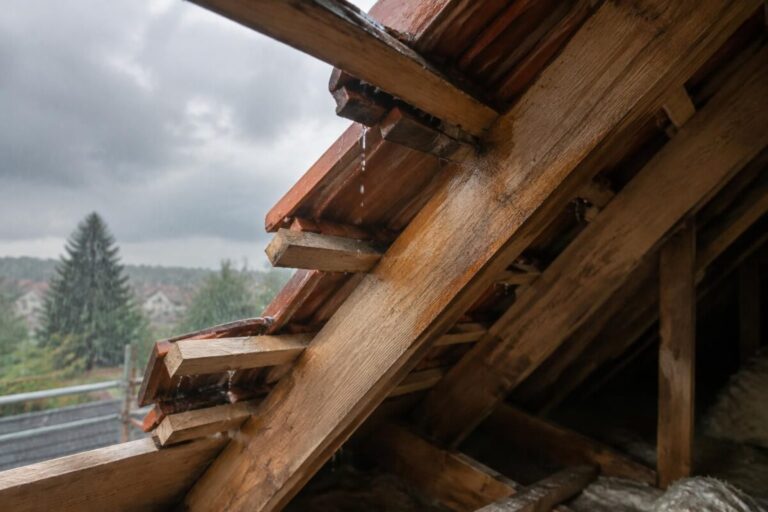
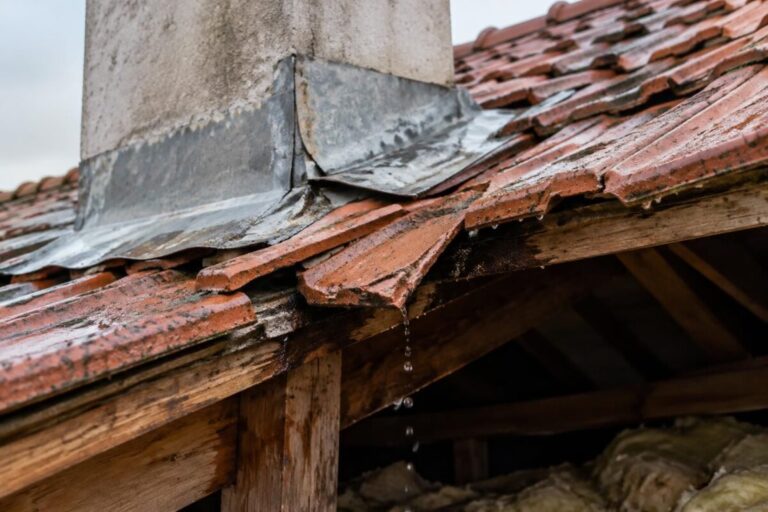
The problem arises when moisture produced inside the house migrates into the attic and encounters unsuitable or poorly connected layers. Condensation can then dampen the insulation and wooden components; over time, mold can develop.
An underlay that is highly permeable to vapor makes it easier for moisture to dry toward the outside, but it does not automatically make every air gap unnecessary. The requirements depend on the product, the roof covering, and the configuration: follow the installation instructions and applicable requirements rather than improvising a uniform gap.
Roof ventilation: what changes depending on the underlay
An HPV underlay — highly vapor-permeable — allows more water vapor to diffuse outward than a non-HPV underlay. Depending on the system used, the air gap between the underlay and the insulation may not be necessary; ventilation beneath the roof covering, however, must still comply with the planned design.
With a non-HPV underlay, a ventilated air gap beneath the underlay is generally required in the relevant configurations. It helps remove moisture and reduce the risk of condensation. Check the exact details with the manufacturer or a qualified roofer.
| Component | Function | Point to watch |
|---|---|---|
| Roofing underlay | Reduce the entry of water and dust beneath the roof covering | Choose an installation method compatible with its level of permeability |
| Air gap | Promote air circulation in the configurations for which it is intended | Do not obstruct the air inlets or outlets |
| Vapor barrier or vapor retarder | Limit vapor transfer from the interior | Ensure good connections and continuity on the warm side |
| Attic insulation | Reduce heat loss | Keep it dry and avoid blocking ventilation systems |
Key takeaway: an underlay protects the roof from water coming from outside; controlling indoor vapor and renewing the air depend on other components, which must work together.
A real-life example: when insulation blocks airflow
Imagine a house where attic insulation has been added right up to the roof edges. After a few winters, the homeowner notices dark marks on the roof structure and damp insulation near the sloping ceilings. The problem does not necessarily come from the underlay: the insulation may have blocked an air inlet, while an interior connection is allowing vapor through.
In this case, installing a new underlay over the old one will not solve the cause. First, you need to trace the airflow, inspect the layers, and check the critical junctions. Effective roof ventilation should be designed as a continuous pathway, not as a single isolated opening.
Check the roof in 3 steps
- Look for clues. From the attic, inspect the insulation, the underside of the underlay, and the wood. Look for stains, drips, signs of mold, or compressed areas; also note when they appear.
- Check the air inlets and connections. Make sure no insulation, debris, or fixtures are blocking the intended airflow paths. Inspect the connections around openings and the continuity of the vapor barrier, without tearing the underlay or modifying the roof covering blindly.
- Have the solution confirmed. Note the underlay’s product reference, then ask a roofer or specialist to check the complete assembly. Correcting an air inlet, a connection, or an unsuitable layer is often more appropriate than replacing the entire underlay.
If the insulation is wet, the wood is warping, or the marks are spreading, call a professional promptly. An early inspection limits the damage and prevents you from concealing a problem that will persist behind the finishes.
Frequently asked questions about roofing underlays and roof ventilation
Does a roofing underlay always block air?
No. An underlay is not necessarily designed to block air; its behavior depends on its design and installation. Roof ventilation must follow the requirements for the installed system.
Does an HPV underlay eliminate every air gap?
Not automatically. It may allow certain configurations without an air gap between the underlay and the insulation, but ventilation requirements beneath the roof covering and installation rules still need to be checked for the product and project.
How can you recognize a condensation problem in the attic?
Droplets, a musty smell, stains on the wood, or damp insulation can be warning signs. These signs can have several possible causes: ventilation, connections, and vapor control all need to be checked.
Should an underlay be installed beneath every roof?
The need depends on the roof covering, pitch, exposure, and applicable requirements. A professional can check whether an underlay is needed and choose a product compatible with the roof as a whole.
Thanks for reading! I’d love to hear your thoughts in the comments. — Ivar